

Turning deer control into a business
The description on the Wild Venison website perfectly describes Adam Neilsen’s story as “a chance to do things better”. He said: “It started as an idea and weekend hobby, to help control herd numbers by harvesting wild deer humanely and ethically and ensure minimal waste. What followed was a journey into true sustainability, food preparation and education.”
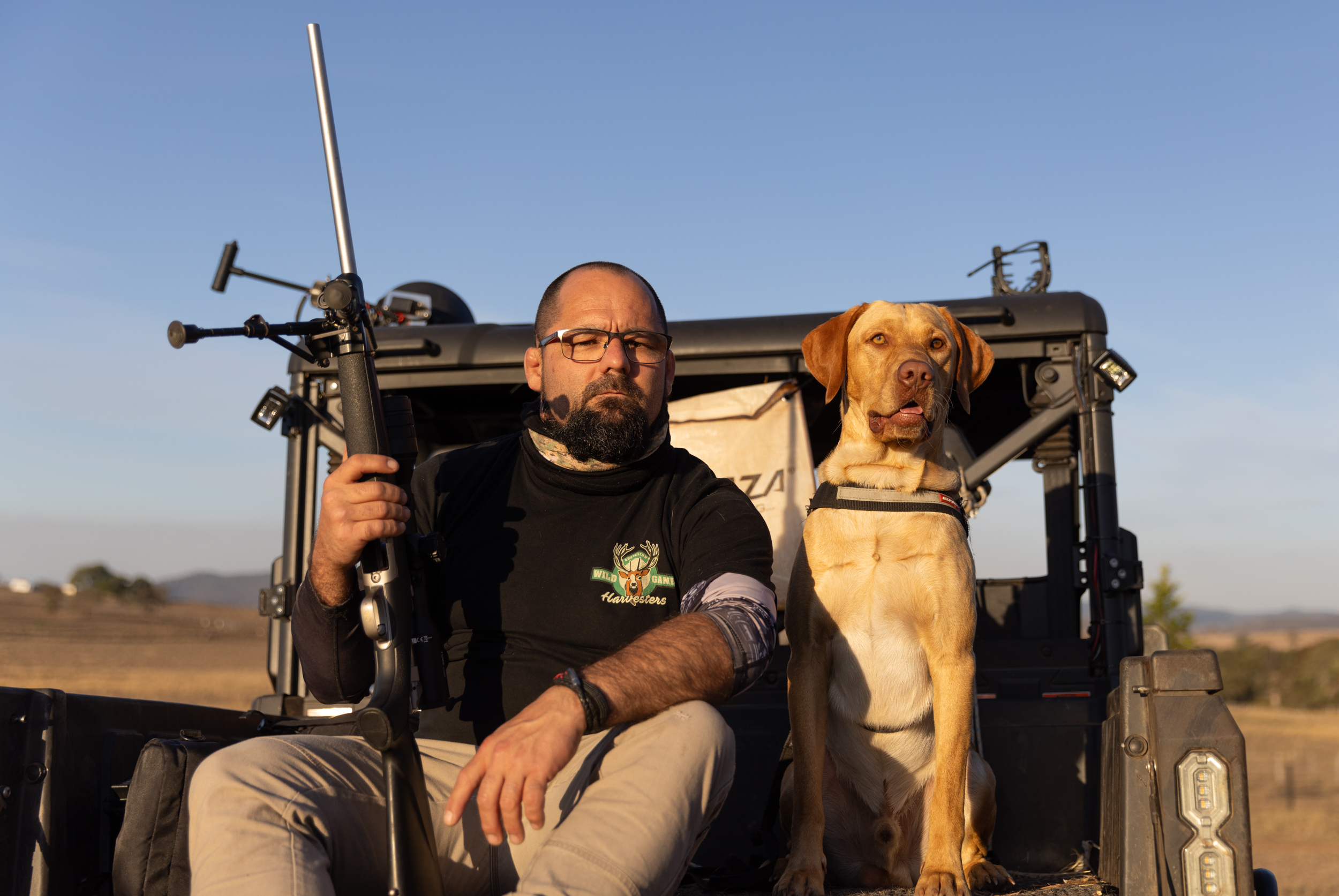
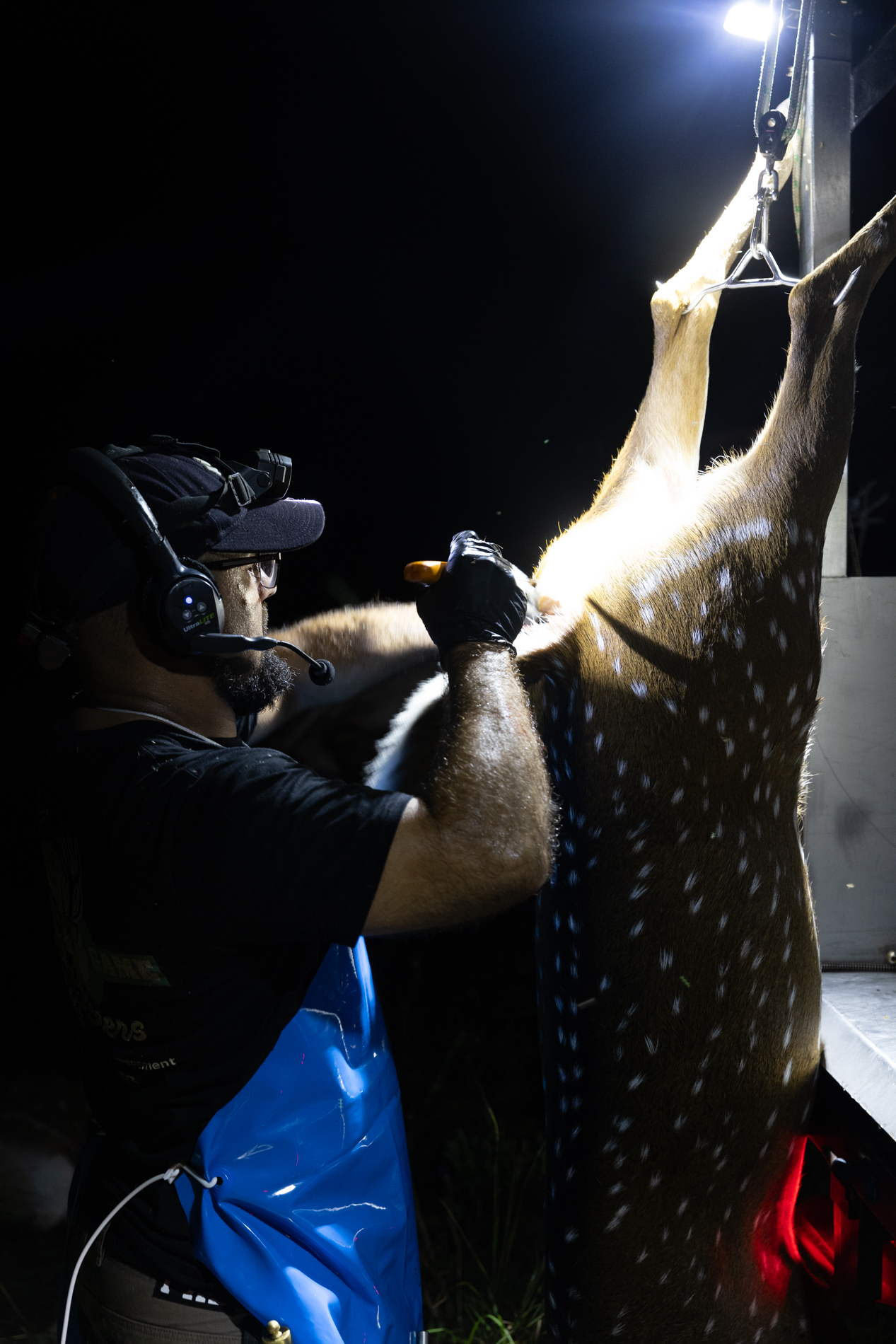
Many would’ve seen Adam’s story on ABC’s Landline, highlighting how he assists local farmers control wild deer populations on their properties, which he then turns into commercial venison products. Adam’s journey is an exemplary demonstration of blending entrepreneurialism, ethical hunting practices and sustainable wild animal management. He spoke to Charlotte Fox.
How did you get to where you are now?
I started my professional career on boats and worked on the water for 15 years in the fishing industry, including game fishing on charter boats. I eventually reached the point where I was sick of fishing – I’d fish at work then on my days off I’d had enough. So I decided to become a bow hunter and taught myself how to fling an arrow and went through all the highs and lows of bow hunting. I was lucky to have access to a large property with a huge number of deer.
One day I was on the back fence of the property when the neighbouring owner saw me and came for a chat. Turns out we’d been mates years ago and had lost contact but we got on like a house on fire. From that conversation and seeing the demand across several properties, I realised there was a commercial opportunity to start transitioning from recreational to commercial shooting.
How did you progress from there?
After getting married I didn’t want to be away from home so much and looked for other jobs. I got along well with the local butcher where I ended up doing a mature age apprenticeship. I bought that shop just before the global financial crisis and, like all retail businesses at the time, got absolutely hammered. I lost half my clients in the first six months as they moved away but persisted for four years until I’d built the business up again and sold it.
From there I retrained and achieved a Diploma of Conservation Land Management at TAFE, specialising in pest management. From that experience I was able to see how pest management programs worked and the waste associated with them, which made me think “there has to be a better way to do this”. It was prime animal protein going to waste. So I decided to use my butchery skills, diploma and firearm skills to try something different.
What were the early stages like?
Initially I was harvesting and processing two animals a week as well as doing market research. I was butchering for family and friends and seeking feedback by asking questions like would you buy it, what do you like or don’t like about it? I continued that research for about eight months and realised there was a commercial opportunity.
With input from a mentor who was a pioneer of the deer industry in terms of wild game harvesting, I knew what I had to do and went through the required accreditation processes and built my facility. I was going to have someone else do the processing but with no-one even remotely close I had to do it myself. I obtained a Certificate Three in meat safety, had a meat inspector train me for the final ‘ticking the box’ and had a retail model.
How are the regulatory processes?
There was a bit of rigmarole to go through with the local council for development application, though overall they were responsive and supportive. I also needed accreditation from Safe Food Queensland and found them easy to deal with as long as you work within their parameters.
Are Australians keen to try game meat products?
It’s all about trust. As a general rule the Aussie palate extends to meat proteins like pork, beef, chicken and a bit of turkey at Christmas. So with wild game products, whether it’s deer, venison and even kangaroo there’s hesitancy around it which means you need to make sure your product and service is A1 from the get-go.
You have to maintain that experience throughout the entire process to ensure the customer has first and foremost a first class product. But also something that’s going to last in relation to shelf life, meet their expectations and alleviate any concerns they might have.
How did you branch out beyond family and friends?
My wife and I asked ourselves: “How do we get this product to market?” Ultimately we decided on farmers’ markets, built a refrigerated display trailer and attended one at Noosa. This was during Covid and markets were super-popular at that time. Everybody was going to them because they were outdoors and a lot of people were more health conscious in the way they were consuming proteins and food.
From that first market we built a steady little client base and were astounded by how willing people were to try the products. We gained a good reputation in relation to our products and service, then the people who coordinated the market offered us a spot at a second one. We’re now doing three markets on the weekend and it’s a fantastic way to introduce game meats to the general public.
How do people respond to the range of products?
You can have people walk past for six months then all of a sudden they’ll stop for a chat, a lot of which stems from our reputation. We frequently have people say: “I’ve been told to see the venison guy.” Market communities are quite vocal with people having their favourite businesses, which means word of mouth is important.
In terms of range we’re basically a butcher’s shop on wheels, so anything a butcher would sell we offer. We do products to order as well as a range of steaks, whole cuts, roasts, mince, nine flavours of sausage and a pet food range. We have ready-made meals coming up as well as bone broth and biltong.
What’s your product branding?
We say it’s the best meat you can eat as it’s not subject to any animal husbandry. It lives its best life. It eats what it needs to eat to be in the best condition and we harvest it ethically and humanely. We also talk about sustainability as it’s a truly sustainable industry as long as the animals aren’t over harvested.
What’s your promotion strategy?
I’m not very social media savvy so we employed a marketing team who run our socials and website. It’s rewarding we’ve build the business to a point where we can afford to engage a team like that and they’ve brought so many opportunities. We’ve just done an event where our product was featured with celebrity chefs and that all came from marketing.
Do you get much negativity?
It’s not too common though conversations always depend on what people are interested in. Everyone’s entitled to an opinion and we should respect that. Some people want to know about harvesting, some about the processing and others about the product. Not everyone wants to see animals being harvested. A lot of people from the hunting community love the harvesting side of things, whereas a lot of people from the food community are less interested in that. I think it’s a good education for people, though it can be difficult to give an all-encompassing view of what we do.
Will you continue doing the harvesting yourself?
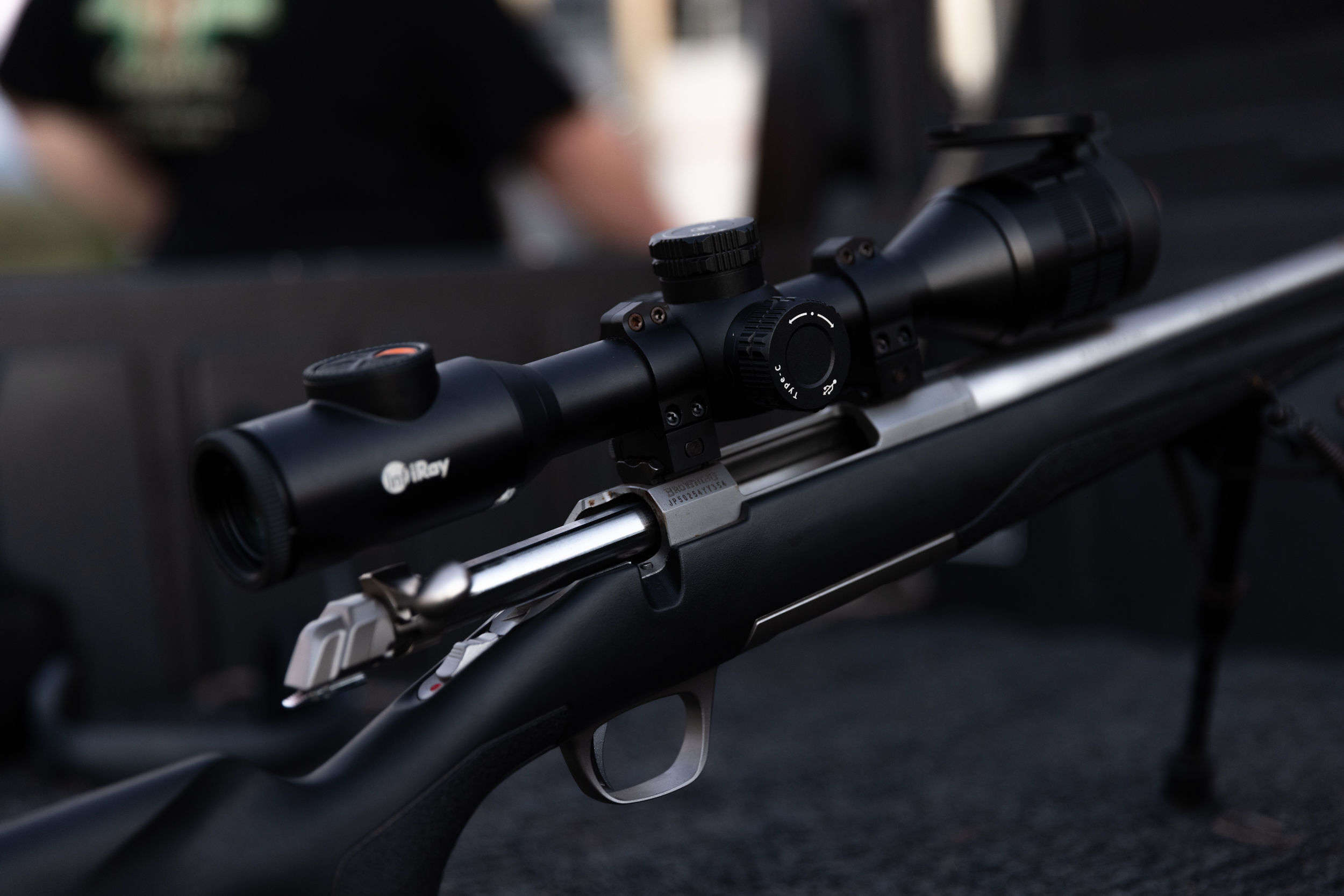
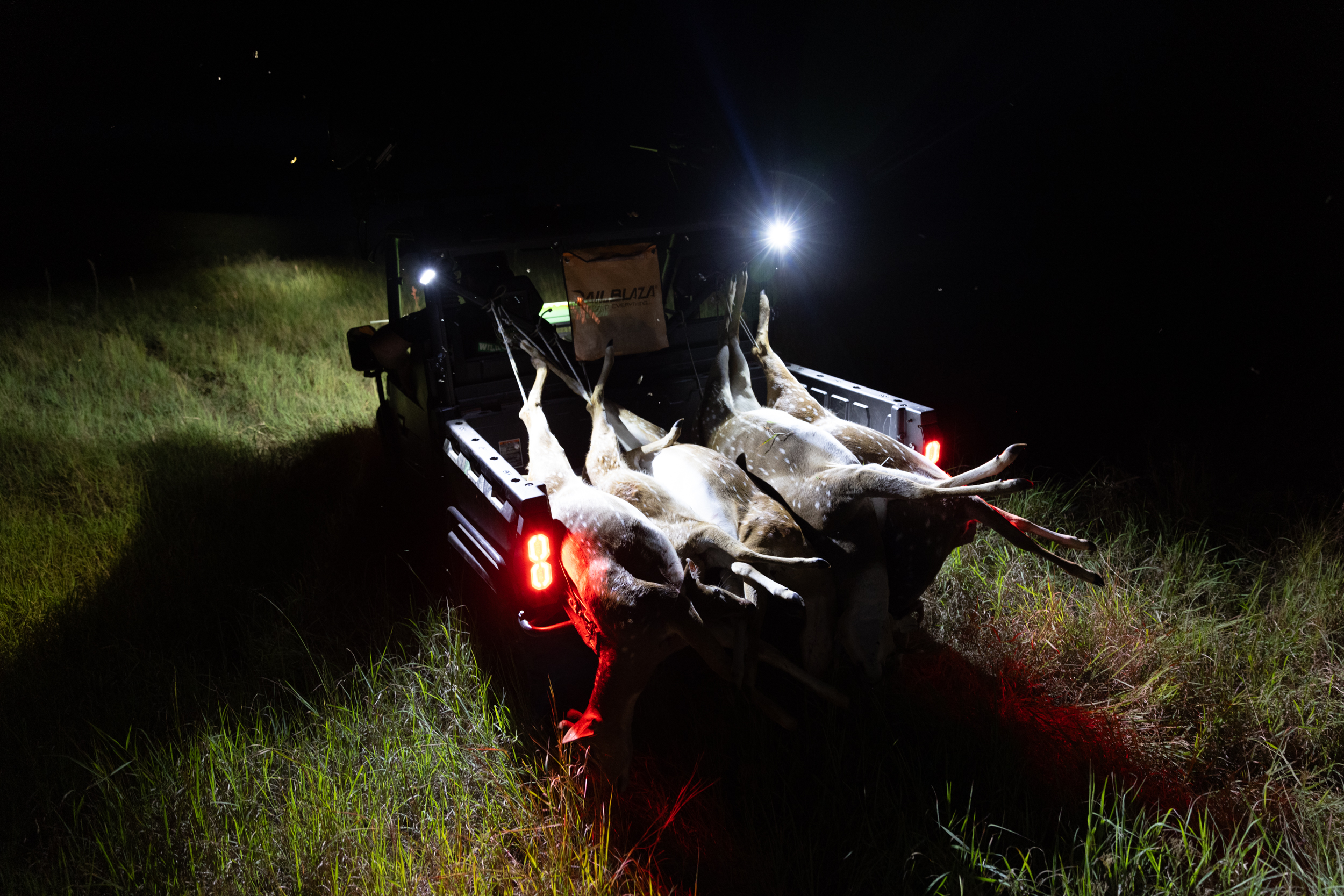
We have a team of three in south-east Queensland at the moment. I run a four-wheel drive side-by-side buggy, so I need someone to drive while I stand in the back with a spotter. I like having a safety spotter to confirm what I’m looking at and ensure target identification. I’m aware we’re being given access to someone’s property so make sure we operate with absolute professionalism to maintain the landowner’s trust.
How many animals do you harvest a week?
It depends on what I need and what species we’re on to. We have access to a fantastic chital herd where I’ll harvest 10 animals to take 300-400 kilograms. With red deer you can shoot six for the same amount as they’re bigger animals.
How do you see conservation helping farmers?
The ultimate aim is reducing numbers to better allow for the livestock farmers are trying to raise. If you have a group of 50 to 100 deer moving through a paddock at a night they can eat significant amounts of fodder, which isn’t going into the intended production system and impacting efficiency of the farming enterprise.
Farmers work hard enough to maintain their businesses without having that unnecessary competition. It also highlights the beauty of the model we’ve set up as a free service. Where most pest management businesses have to be paid for their service, we focus on making a living from the end product.
Can farmers contact you?
Anyone can contact me via the Wild Venison website. It’s not a system where I’ll take a call then go to a property that night or next week to start shooting. There’s a process I like to go through before we pull a trigger, going to a property to map it comprehensively on a tablet. We map each track, no-shooting areas, buildings and dwellings so at all stages of the night, we know exactly where we are and where we can and can’t shoot. Once we’ve mapped an area we also do a little bit of a night surveillance for an idea of numbers. It’s interesting to see the contrast between deer numbers people assume they have based on what they see during the day. It’s amazing how many more there are at night.
What’s next for you?
I have a goal by the end of the year to employ a full-time butcher. At the moment my wife and I do everything but now the business is showing enough profit to afford one. That success is the result of lots of hard work. More at www.wildvenison.com.au