

Matthew Cameron offers some viable alternatives for the reloader
We live in an age of rapidly escalating prices coupled with, in many cases, a lack of component supply. None of which makes shooting and hunting any easier, and certainly not cheaper. However, there’s viable alternatives with considerably less cost.
One relates to bore cleaning. Fired firearms have dirty bores from the residue of primer and powder combustion together with copper fouling. When cleaning bores, the first two patches down the barrel can be wet with carburettor or throttle cleaner from your local automotive store. A can will last the average reloader several years. It will not attack copper or ingrained combustion residue, but it will remove all loose residue within the bore. It evaporates and leaves the bore clean for the normal bore cleaning liquid to attack the accumulated powder fouling and copper residue left behind. Normal cleaning fluids will do a similar job but why use expensive fluids when a cheaper alternative that works is available?
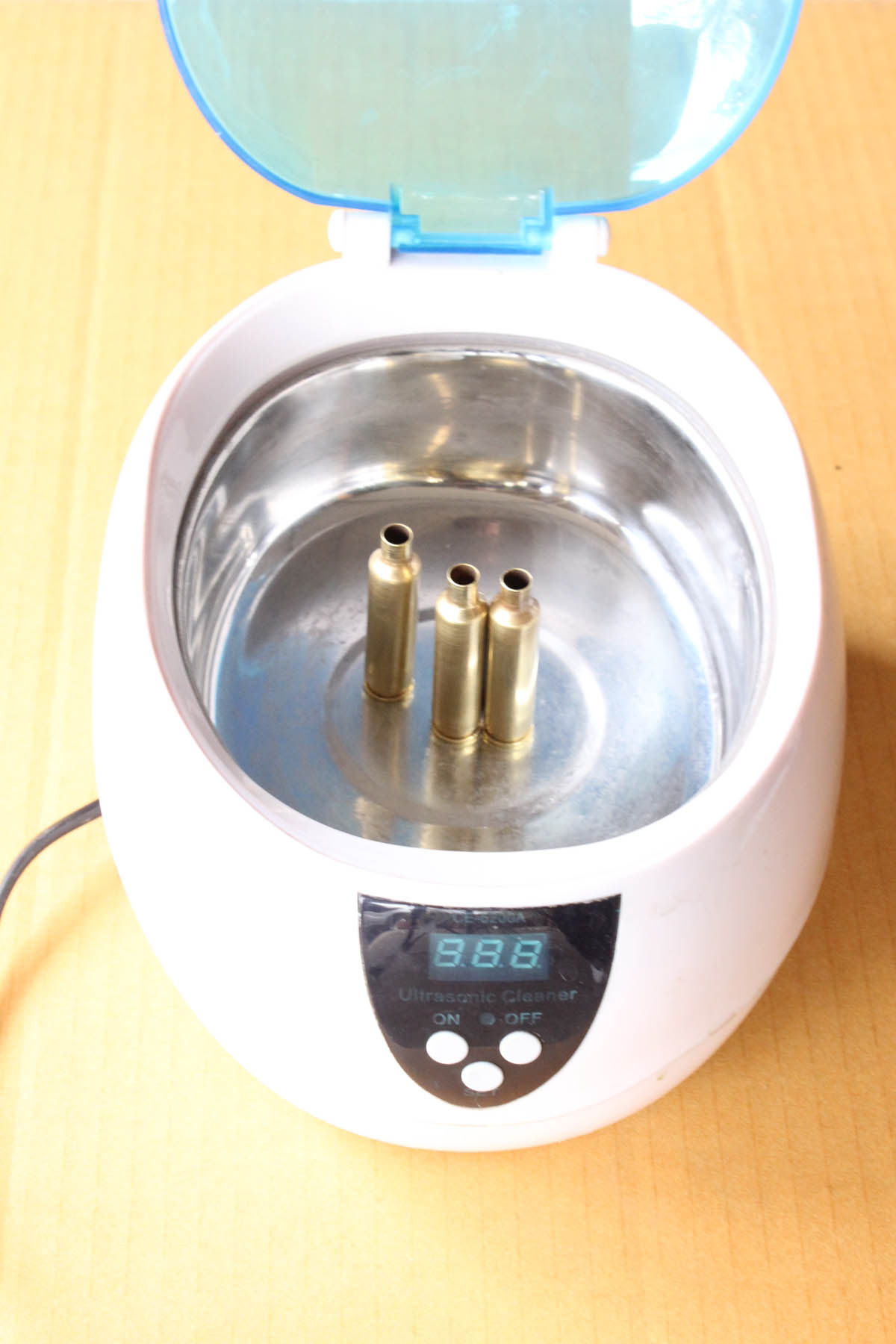
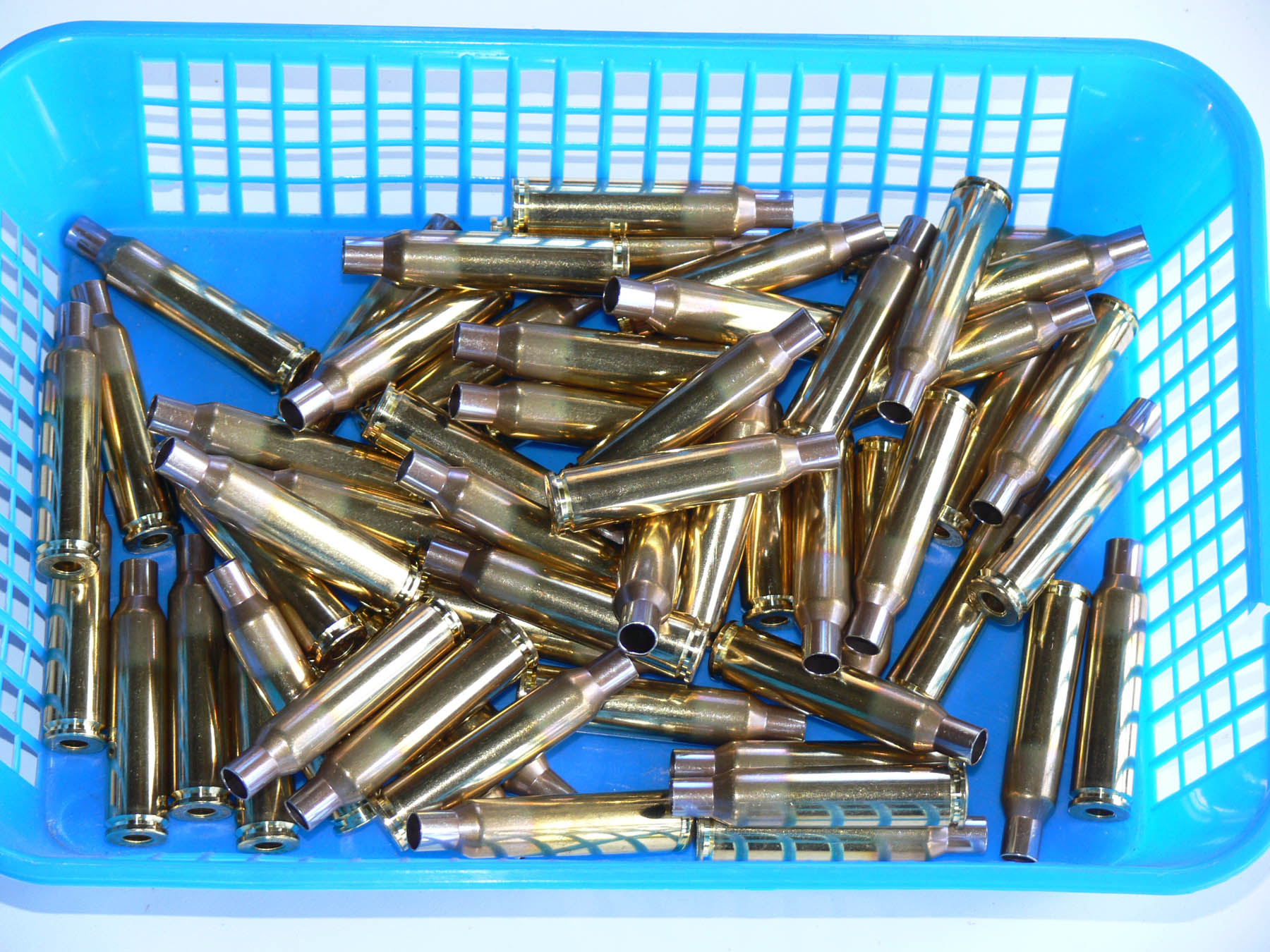
Let’s now look at ultrasonic case cleaners plus the solutions used with them. They will clean the case both inside and out. The commercial models available can be over-capacity to needs and costly but consider a jewellery cleaner. You can get one for under $50. Mine has a capacity of about 30 cases of .270 Winchester size, with two eight-minute cycles about right to get the job done.
You can, of course, buy commercial cleaning fluids but it’s much cheaper to make your own, and it works great. Add a level teaspoon of citric acid and level teaspoon of cream of tartar in a 1L container, add a non-specific dash of household liquid detergent, fill with water and shake, ready to use. The contents will last about 3-4 rounds of cleaning.
Cases are then rinsed in clean water and placed on any form of drying rack, or a hair dryer can be used for quick drying. As an aside, to eliminate watermarks on your cases just add lemon juice to the final rinsing water.
The ultrasonic cleaner is also useful to clean dirty reloading dies. Disassemble the sizing die and place it in the cleaner to get the accumulated oil and dirt off. You then spray it with carburettor or throttle body cleaner to remove the water, re-lubricate it lightly with a spray oil and allow it to drain dry. This leaves a thin protective film on the die body.
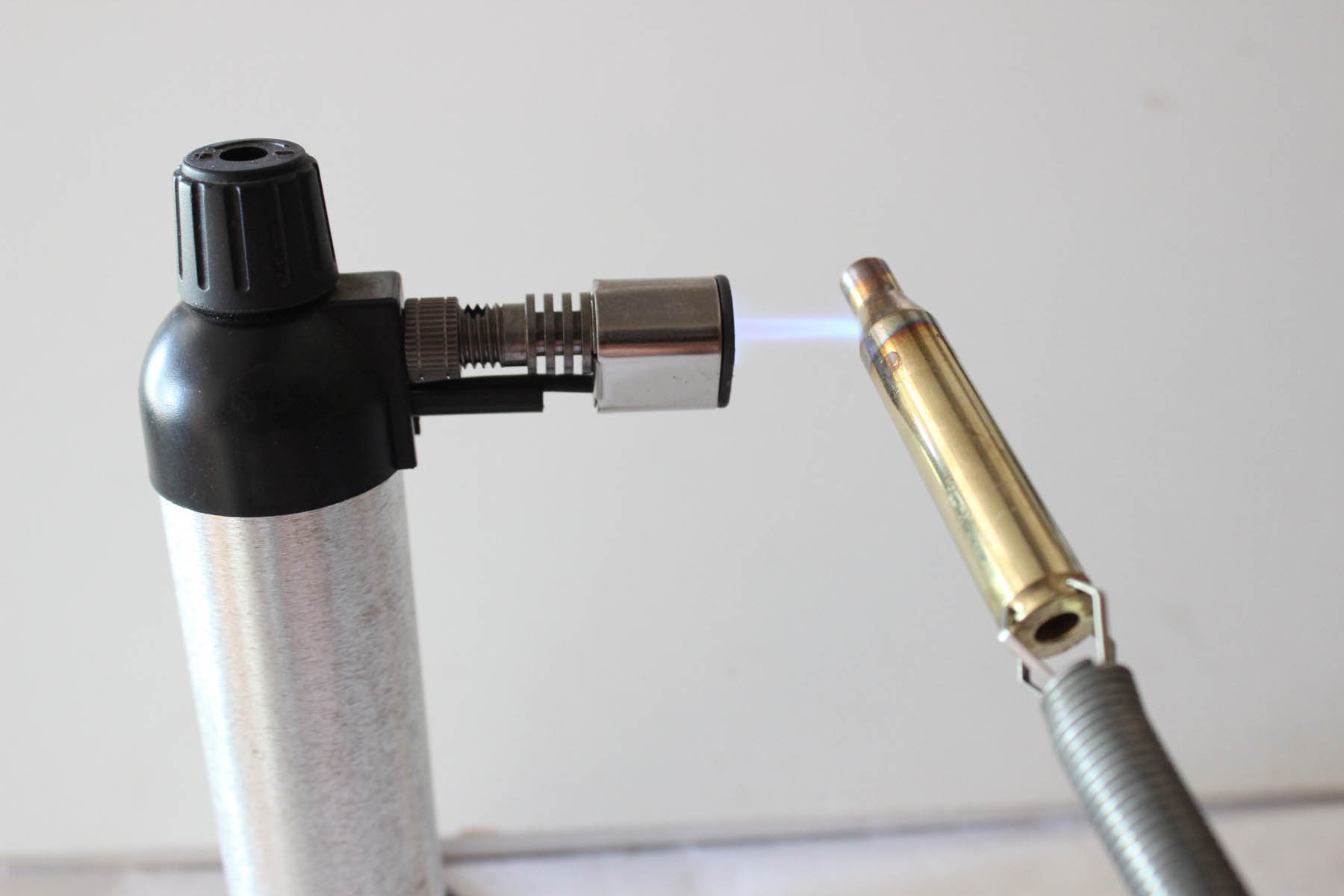
The next money-saving technique relates to annealing. The machines available, including suitable home-made ones, are not cheap. However, you can do an acceptable job using a small gas torch. Note the word acceptable, not perfect. They retail online for about $20-$30 and run on butane gas. Mine is intended for use in cooking. The only other item needed is an inexpensive claw pickup tool to hold the case at its base as you turn it by hand. Have the tip of the flame just touching the joint of the neck and the bottom of the shoulder. About eight seconds, depending on brass type, is enough, with the case annealed when the top of the shoulder has turned light blue in colour. Case life is extended, split necks are virtually eliminated, and neck tension is more consistent.
Correct lubrication of cases before inserting in a sizing die is another must, with commercial liquids available and applied via a pad, or there’s sprays available. However, STP Oil Treatment can be used as the lubrication. It has the consistency somewhere close to glue but when applied properly using a pad it puts an end to stuck cases.
You can even make your own by mixing 10 per cent pure lanoline with 90 per cent isopropyl alcohol in a spray bottle. Simply place the cases in a sealable plastic bag and spray in a suitable amount of lubricant, seal the bag and roll it around to lubricate the cases evenly. For some lubrication applications such as case forming, the use of resizing waxes remains a better choice.
When it comes to the actual shooting of groups to test a load from your rifle or when sighting-in, both a suitable target and something to hold it is needed. Free targets can be downloaded from MyTargets.com or Targetz.com and printed on standard A4-sized paper. MyTargets are great for sighting-in a hunting rifle and the Targetz gridded options for load development.
For rigidity, the targets are pasted onto a stiff cardboard backing from old boxes. To hold the backing and targets in place, a couple of stands can be assembled from scrap metal and timber. The metal uprights are L-shaped and attached to the timber bottom. The target and backing are simply held on the metal uprights by four large bulldog clips. The whole assembly costs basically nothing and works, sometimes you just have to think outside the square!