


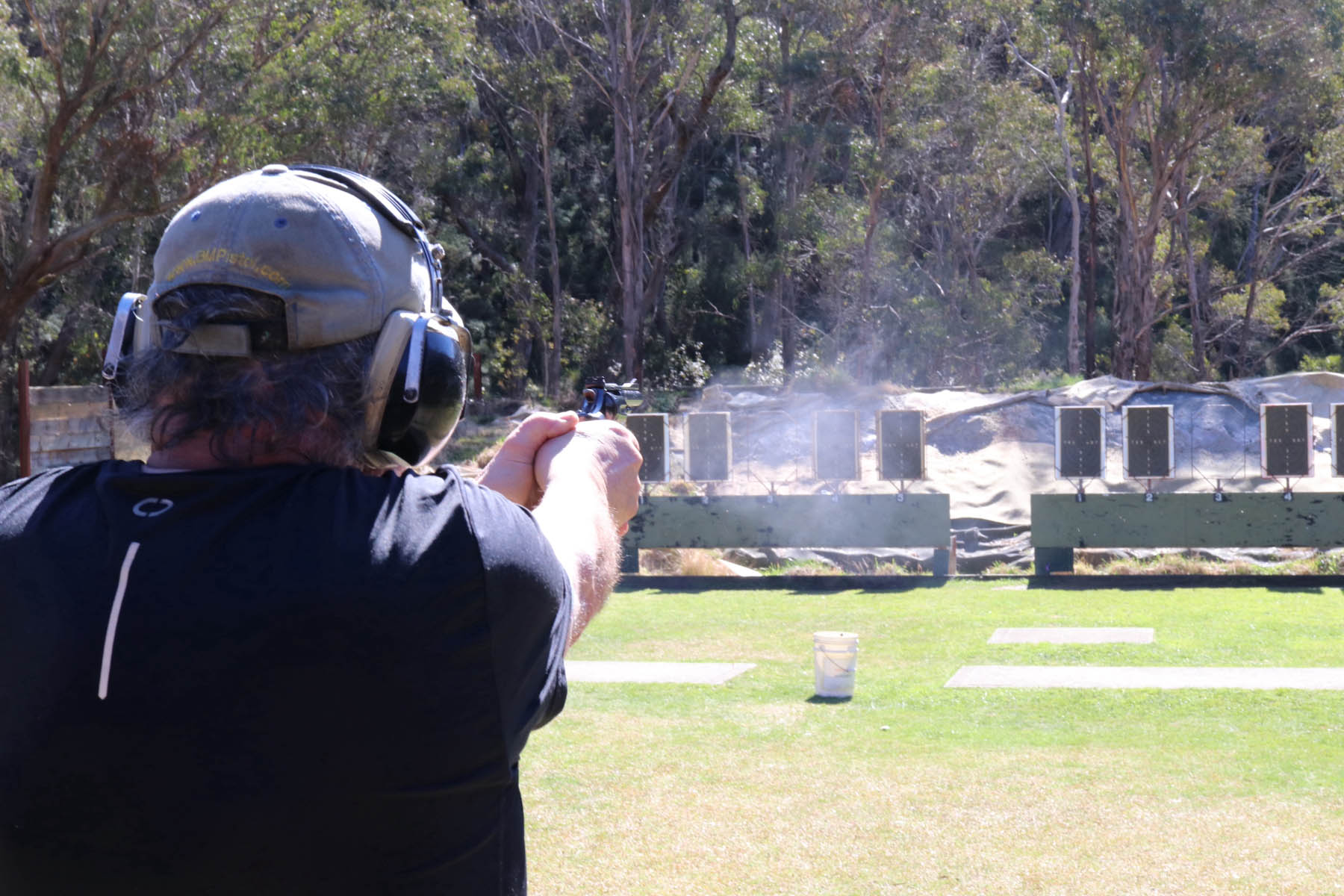
While the chances of falling foul of the pointy end of firearms are pretty low, dangers still exist which could cause serious problems to our health. As Senior correspondent Rod Pascoe reports, shooters are exposing themselves to chemicals such as lead and other ejected residues with little regard for the almost invisible risk that lurks.
We might automatically think of lead as being the obvious culprit when it comes to chemicals we’re exposed to as shooters. Yet lead is only half the story. I spoke to an industrial chemist specialising in personal protection equipment (PPE), about how some chemicals are released into the atmosphere from shooting firearms then absorbed and stored by the body.
Frankly I found what he was saying scary as it showed that I, for one, have been ignorant of the potential risks throughout my shooting career. And it seems it’s not just the action of firing a shot that stirs up dangerous chemicals, as some things we may have thought of as being safe are actually not good for us either. Read the warning label on any firearm cleaning solvent and you’ll see what I mean.
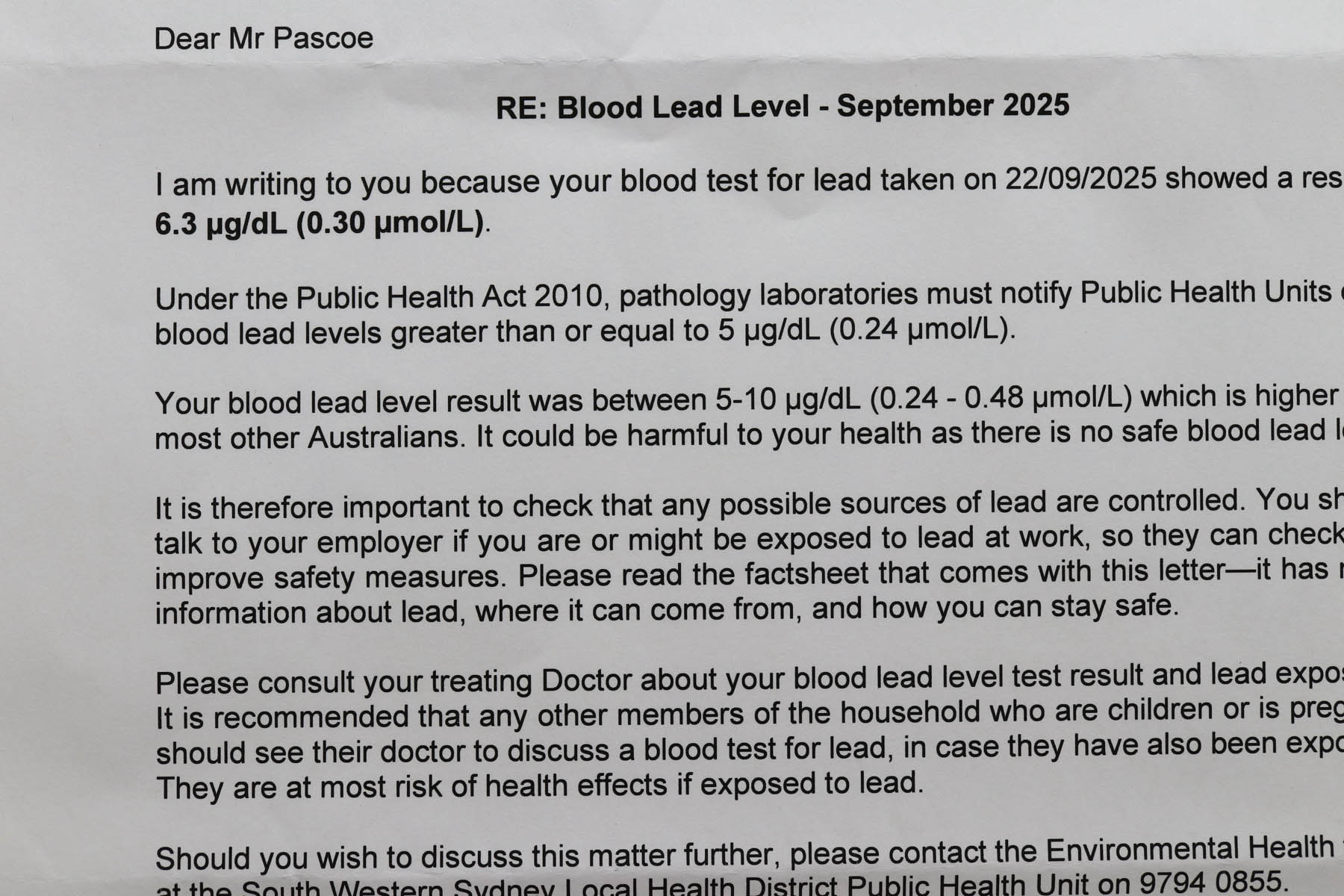
As a casual range officer, I’d been routinely tested for blood lead levels as part of my employer’s duty of care. I never heard anything after the tests and assumed ‘no news is good news’. Right? Then following my latest test, again I heard nothing from my employer. Instead, I received a letter from the NSW Health Department stating I had a lead (Pb) level of 6.3 ug/dL or micrograms per decilitre.
As it turns out, in NSW at least, pathology labs are obliged to report elevated lead levels to Public Health Units. While my lead level only just exceeded the minimum reportable level of 5 ug/dL, it was enough for me to think about what I have, or haven’t, been doing for the past 55 years of shooting.
The letter went on to outline what steps to take and included an information sheet for ‘Firearm and Ammunition Users’. As you can imagine this was a wake-up call. After talking with colleagues in similar circumstances, one pistol shooter who spends a lot of time on indoor ranges, had recorded a level of 14 ug/dL. Another, who manufactured lead projectiles, had lead levels ‘through the roof’ he told me. Exposure to lead can have serious and wide-ranging effects on the human body, particularly concerning the nervous system, organs and development.
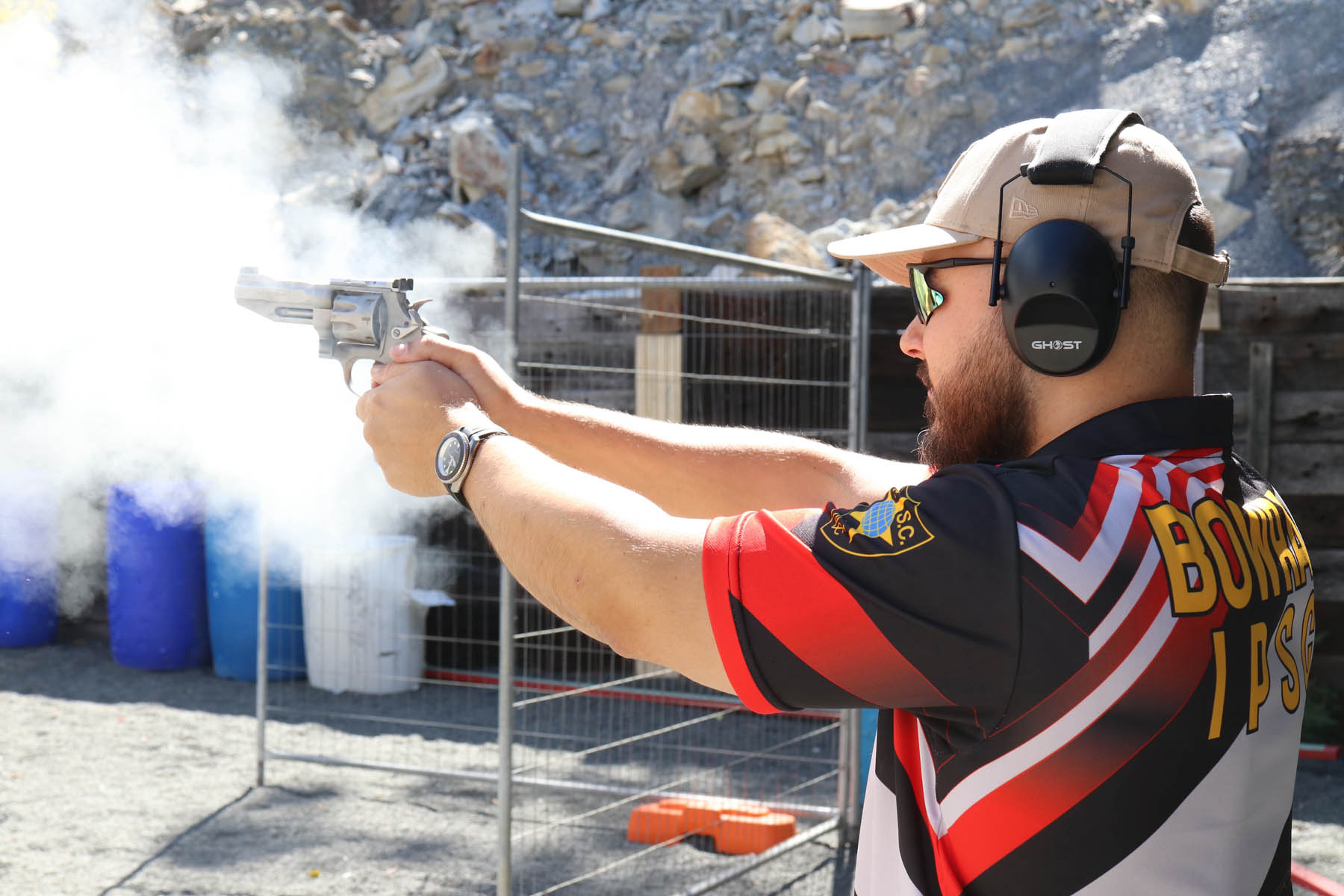
When a gun is fired, it produces a cloud of dust and fumes made up of combustion byproducts, metal particles and unburnt residues. These substances are not only toxic, like lead and carbon monoxide, they’re also extremely fine, making them easy to inhale and difficult to detect without specialised equipment. Pistol shooters are particularly prone to chemical contamination as they’re much closer to where gasses are released (at the muzzle).
Primer residue is more likely to be mixed with combustible gases from burning powder or, in the case of percussion cap and ball firearms, residue is released from around the cap and nipple. Combustion residue from propellant, be it black powder or modern smokeless, typically produces particulate matter such as soot and unburned powder.
Modern single-based propellant contains nitrocellulose, along with double-based powder which includes the addition of nitroglycerin. These gases can be toxic or asphyxiating, particularly in poorly ventilated indoor ranges. Bullet fragmentation can also be released from the muzzle, as the exposed lead base of the bullet is heated from gas pressure, creating lead dust along with other components such as copper and zinc particles. The health risks include inhalation and ingestion of these heavy metals.
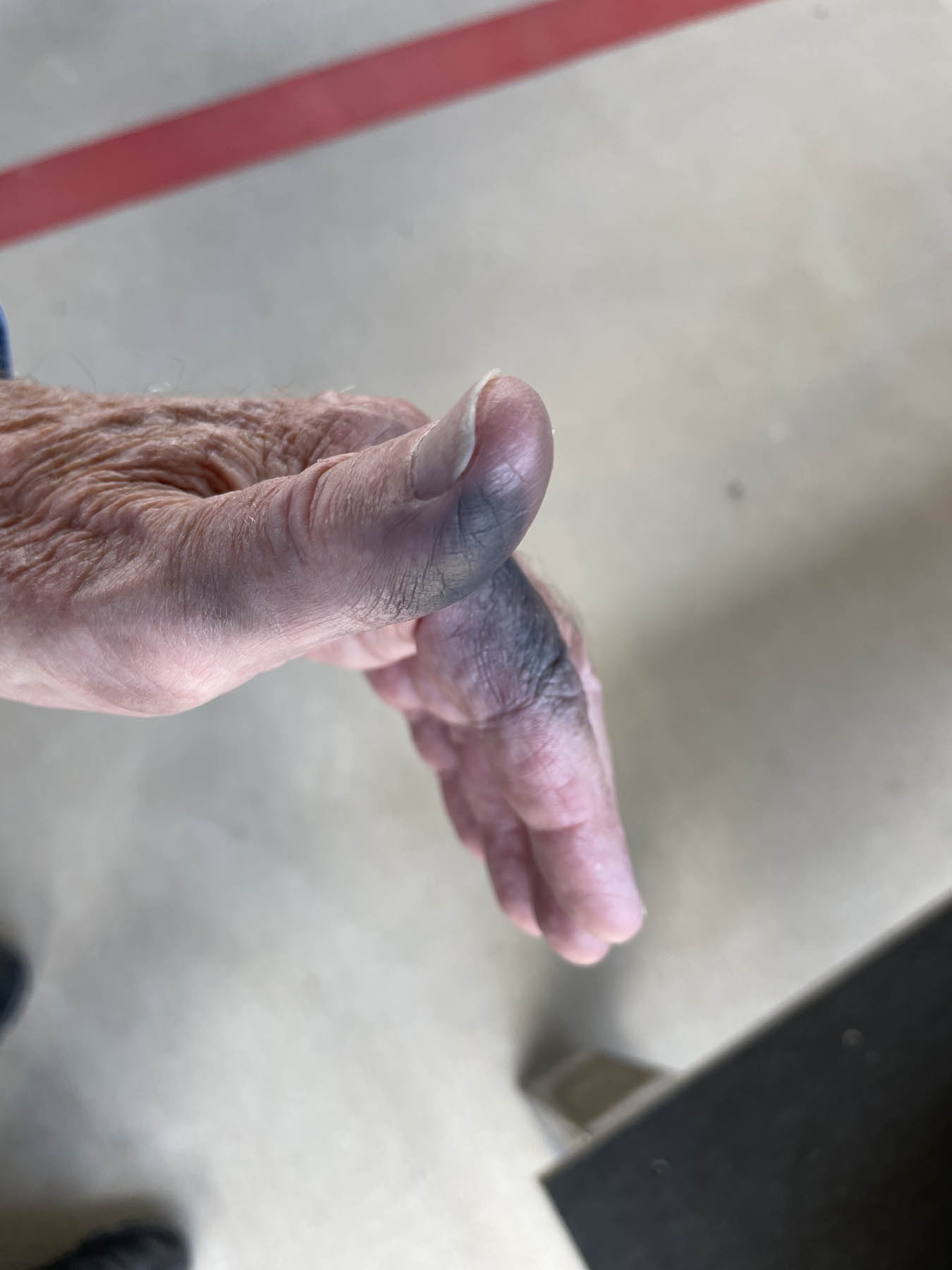
Fine particulate matter such as soot, unburnt powder and metal residue forms a cloud around the muzzle, with lung damage and chronic respiratory issues being obvious health risks. Blowback residue (towards the shooter) from breech gases escape rearward, emitting primer fumes and microscopic particles which contact the face, hands, arms and clothing. Eye and skin contamination is the main concern. Residue accumulates on hands and forearms, firearm frame and grip, ammo boxes and cartridge casings, clothing and gear.
These surfaces release secondary airborne particles during cleaning or handling, adding to the total exposure. Residue not only clings to firearm components including the muzzle, chamber and breech, but also shooters’ hands and clothing, ejected cartridge cases, ammo boxes and other range surfaces.
Children are especially vulnerable, even at low levels of lead, as they absorb four to five times more than adults. Their developing brains are far more sensitive and can be a cause of lower IQ, behavioural issues such as hyperactivity and aggression, learning disabilities and developmental delays. In adults the list includes memory loss, cognitive decline and numbness, tingling or pain in the extremities. There’s no safe level of lead exposure in children, according to the World Health Organisation.
Other parts of the body affected by contamination include the kidneys, as lead can damage renal function, especially from excessive or long-term exposure. The reproductive system can also suffer and in men can lead to decreased sperm count and abnormal sperm. In women, contamination can be responsible for miscarriages, premature birth or low birth weight.
Lead is stored in bones and can re-enter the bloodstream, especially during pregnancy, lactation or with ageing. Lead interferes with haemoglobin production, potentially leading to anaemia. Acute lead poisoning (usually from high-level exposure) can cause abdominal pain, vomiting, seizures and even coma in extreme cases. Follow these tips to reduce lead exposure when shooting.
- Choose outdoor ranges when possible. For indoor ranges, ensure there’s modern HEPA-filtered ventilation flowing from behind the shooter towards the bullet trap. Avoid ranges with poor airflow or visible dust accumulation.
- Choose lead-free primers and non-lead bullets (e.g. copper, frangible rounds). These significantly reduce airborne lead at the source.
- Use PPE. Wear disposable nitrile gloves when cleaning firearms. Use respirators or masks rated for fine particulates (N95 or better) at indoor ranges if ventilation is questionable.
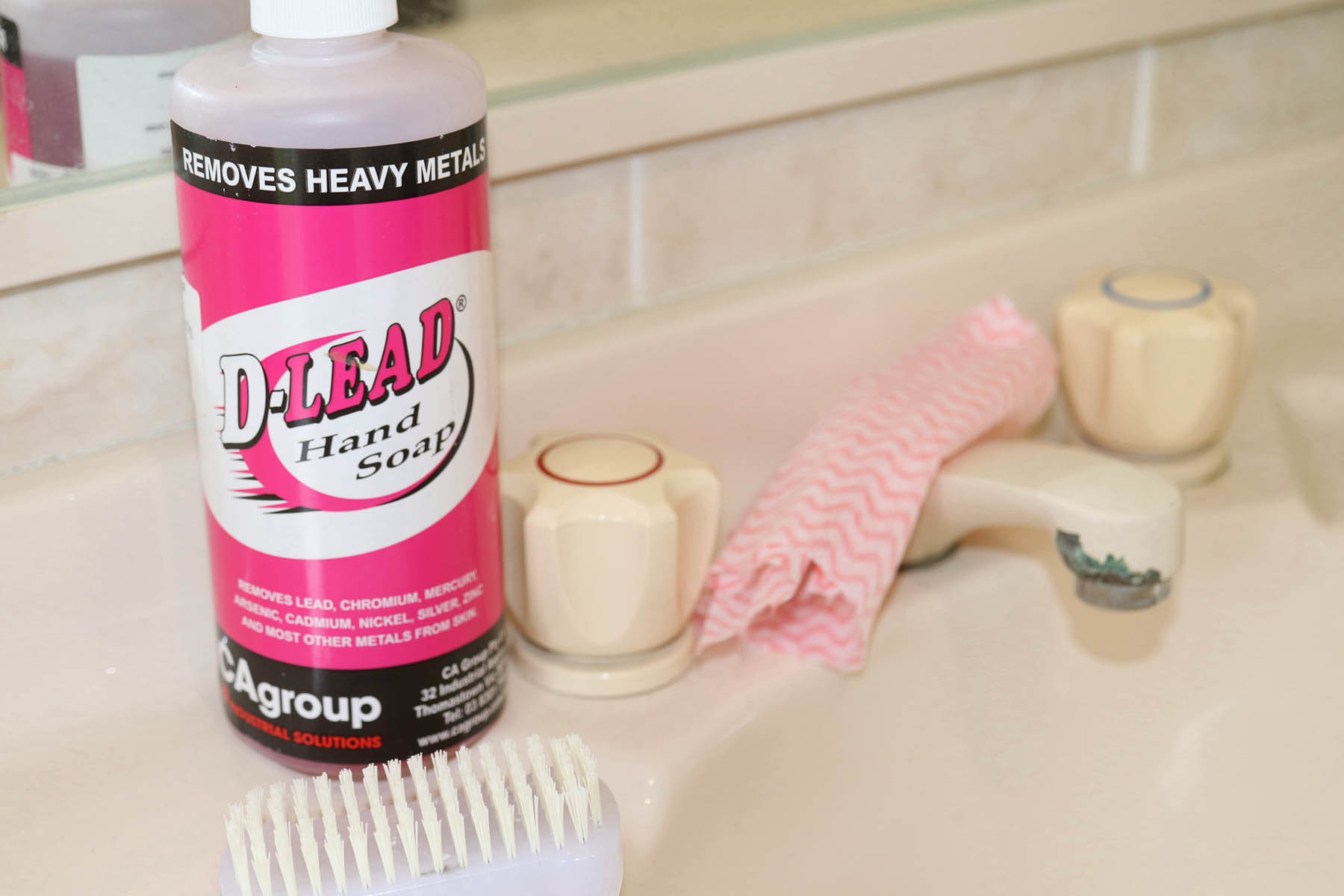
- Do not eat, drink or smoke at the range. Wash hands, arms and face thoroughly with cold water and lead-removing soap (like D-Lead) immediately after shooting. Change clothes after shooting to avoid bringing lead dust into your car or home.
- Store range clothes separately and don’t wear them at home. Wash shooting clothes separately from household laundry. Clean gun bags and gear regularly with wet wipes or HEPA vacuums.
- Clean guns and workspaces in well-ventilated areas. Use wet cleaning methods or HEPA vacuums. Never dry sweep or blow with compressed air, as this spreads lead dust.
- Shooters who frequent ranges or reload ammo should consider regular blood lead testing, especially if symptoms like fatigue, irritability or headaches occur. Those who cast their own bullets or do it commercially, are especially exposed to lead contamination from breathing in particulates and by skin absorption from handling lead bullets.
Yet there is a brighter side to the story. The colleague I mentioned earlier with the elevated blood lead level of 14, has been following just a few of these recommendations to avoid lead absorption, including fewer visits to the indoor range and being more aware of his personal hygiene. His latest reading was almost half the previous one after just six months. There’s no safe level of lead exposure, especially for children. Shooters, reloaders and range workers should take precautions seriously to protect themselves and those around them.
After the shoot
The following may appear somewhat over-the-top, yet cleaning firearms is one of the highest-risk activities for lead exposure due to direct contact with contaminated surfaces and the potential to stir up fine dust. Consider the following.
1: Wear disposable nitrile gloves.
2: Wear a respirator or an N95 or P100-rated mask to avoid inhaling lead dust or solvent vapours.
3: Work in a well-ventilated area and avoid cleaning in kitchens, bedrooms or living areas.
4: Use lead-removing products like D-Lead wipes or cleaners to capture and neutralise lead particles.
5: Never blow parts with compressed air as it spreads dust. Use damp cloths or lead-specific cleaning wipes instead of dry rags.
6: Wash hands, arms and face with cold water and lead-removing soap.
7: Clean tools and work surface with wet wipes and don’t forget the floor of your cleaning area.
8: Handle contaminated clothing and rags separately from household laundry.
9: Store cleaning rags and towels in sealed bags until they can be washed or disposed of.
10: Avoid cleaning where food is stored or children are present.
11: Consider using a portable cleaning mat you can wash or wipe down.
12: If you clean guns regularly (especially if you reload and shoot often), ask your doctor for a blood lead level test annually.