

Bonnie Nicol charts a joint venture between hunters and laboratories to tackle our wild pig crisis
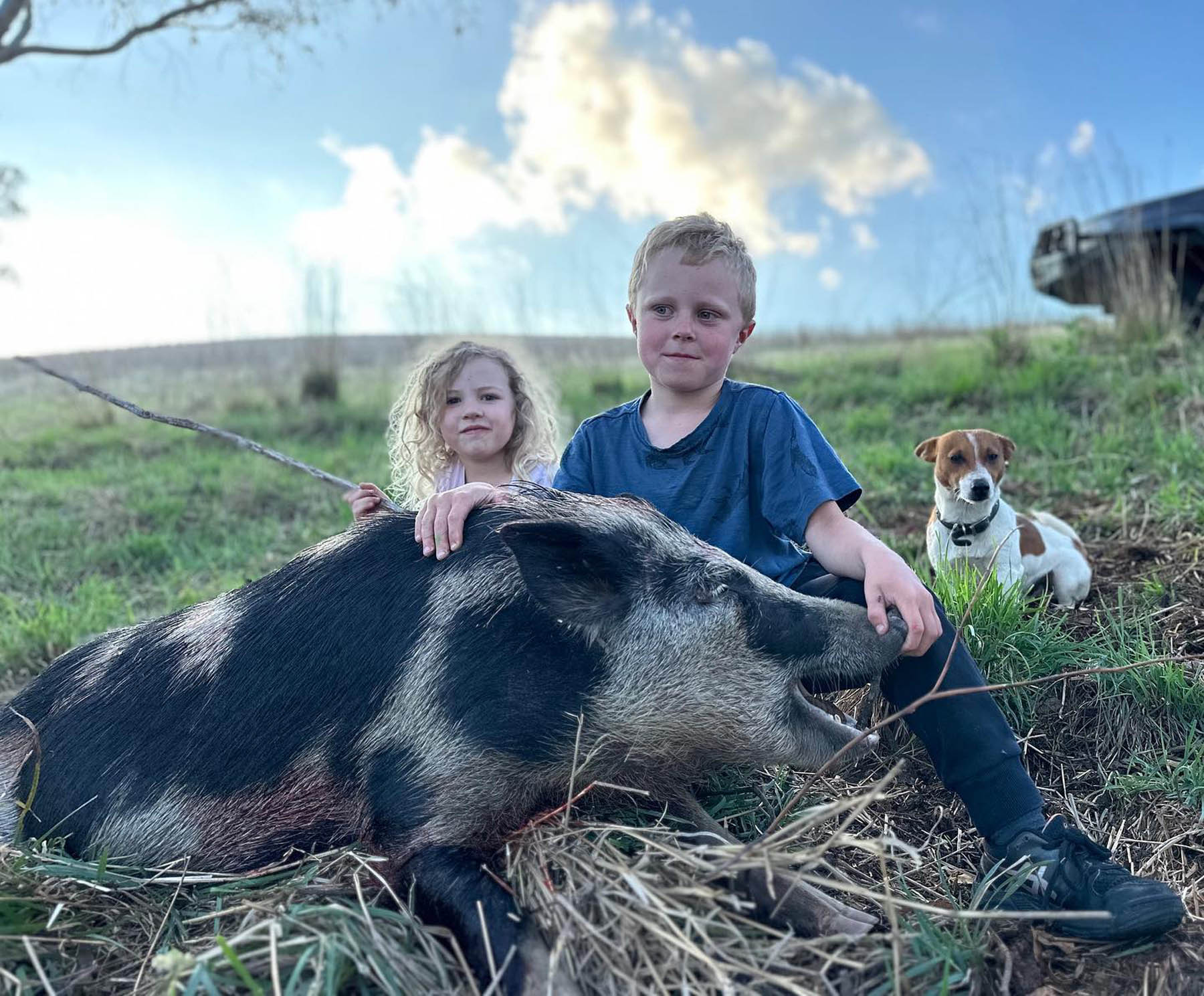
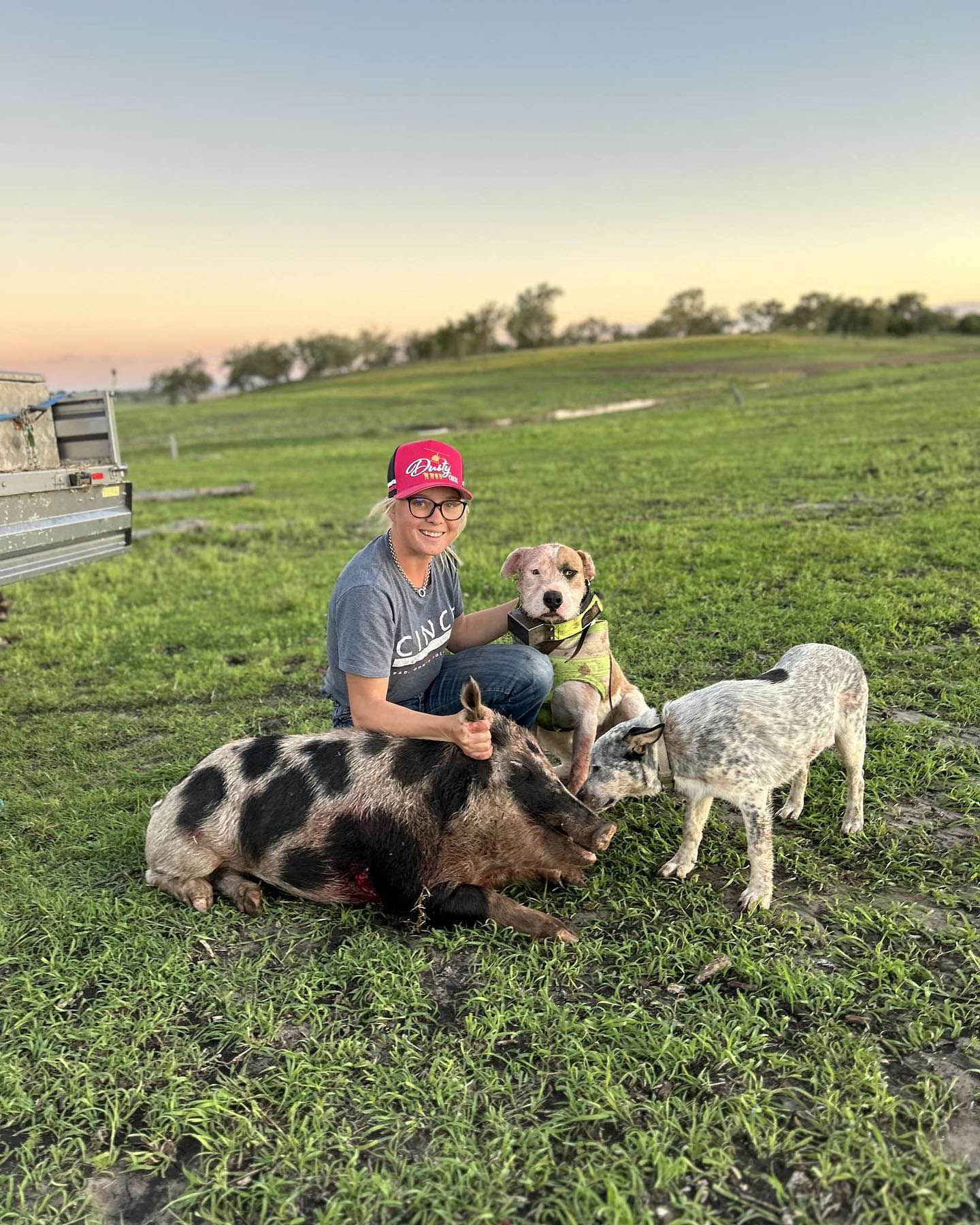
It was July 2024 and Ned Makim, a life-long pig dogger and President of the Australian Pig Doggers and Hunters Association (APDHA), was analysing mid-year results from the inaugural Great Australian Pig Hunt. The competition, developed by the APDHA, wasn’t just a call to action for recreational pig hunters across the country. While hunters logged their kills, the APDHA was tracking results as part of a data-collecting initiative it had implemented to obtain a definitive number of wild pigs killed annually, something which had never been attempted before.
Whatever the results the Association hoped this innovative approach would bring a level of recognition to the pig hunting community, which has long had its ethics and effectiveness in the management of wild pigs questioned by conservation groups and anti-hunting lobbyists.
APHDA data yielded astonishing results. In just six months, participants in the Great Australian Pig Hunt accounted for 18,000 wild pigs, averaging around 17 per hunter. Makim wondered if every hunter in the country was taken into account, how many pigs would they have removed? Using the number of registrants as a base count, he estimated there were around 121,103 pig hunters nationwide. Further calculations based on APHDA data revealed the country’s pig hunters had potentially removed more than three million wild pigs during the first half of 2024.
That number raised serious questions. How many of those pigs could’ve been carrying illnesses, how much damage would they have done to private and public land and how many more piglets would the sows have reproduced? Makim knew experienced hunters had the answers. “There was an opportunity for the Australian pig hunting community to do something that would absolutely illustrate its value beyond removing a lot of pest pigs during the year,” Makim said.
He reached out to Dr Benjamin Allen, an associate professor and wildlife conservation and management expert at the University of Southern Queensland, and proposed combining forces to combat Australia’s wild pig problem. Dr Allen was intrigued and when he suggested samples from 500 pigs would be a substantial study, Makim went one better. “We just pulled out the figure of 10,000, asked how that would rate and Dr Allen said it would probably be the biggest wildlife study in the world.” And so the 10,000 Ears Project was born.
Wild pigs (Sus scrofa) are second only to rabbits as the most destructive invasive animal species in Australia. Introduced as livestock aboard the First Fleet in 1788, only 25 survived the long journey from England. Allowed to roam free in the Sydney Cove colony, their numbers quickly grew and pigs were soon wreaking havoc on the colony’s burgeoning farms and were driven further out bush. Wild populations grew exponentially during the Great Depression when farmers, who could no longer afford to maintain their herds, released them with the intention of hunting them down later as a free-range food source.
Easily adaptable and with few natural predators, Sus scrofa have thrived across the country’s diverse landscapes, causing upwards of $156 million dollars in agricultural damage each year and posing a threat to 150 native species of flora and fauna. The Department of Agriculture, Fisheries and Forestry places the current wild pig population at 24 million, almost as many pigs as there are people and today thry inhabit 45 per cent of the country’s land mass.
In Far North Queensland they’ve decimated cassowary populations in the World Heritage-listed Daintree Rainforest. Encroaching herds into Darwin’s outer suburbs have caused extensive property damage and raised concerns about the spread of transmissible diseases to both humans and domesticated animals. In October 2022, scientists in Western Australia discovered Japanese encephalitis, a potentially fatal disease which can cause inflammation of the brain, in samples taken from two wild pigs in the Kimberley region, the first time the virus had been detected in the state.
“If someone says we’re going to trap them, I’ll die laughing,” said Bob Katter MP, who has openly denounced government-funded pig management plans as ineffectively “replacing other plans” and for costing tax payers millions of dollars. “The only answer is to shoot them.”
Katter has for years advocated for state governments to open up national parks to recreational pig hunting, an activity he’s enjoyed since adolescence, in order to save Queensland’s most vulnerable species. “If you listen to us shooters, there’ll be cassowaries and turtles. If you don’t listen to us, you’ll be responsible for wiping out their populations,” he said.
In 2021 the Federal Government invested $1.4 million to develop and implement the National Feral Pig Action Plan, a 10-year initiative to deliver long-term suppression of their numbers using new and existing control programs. The New South Wales Government spent $13 million on its Feral Pig Program, which eliminated 112,888 across the state between 2023 and 2024.
Much like previous pig management plans, both have received criticism for their exorbitant costs and true impact. They’ve also been disadvantaged by resource constraints, timeframes and regional diversity, which often render generalised control strategies futile. By contrast, APDHA data showed hunters weren’t just removing huge numbers of pigs from the landscape, they were spending an estimated $60.67 per animal, making the Great Australian Pig Hunt the only initiative which actually contributed to the economy.
“The issue with pigs is you can shoot a lot of them from a chopper, you can poison them but if you stop they just continue to breed and their numbers are back in 12 months,” Makim said. “The advantage of hunting is its constant and provides a base-level population suppression service.”
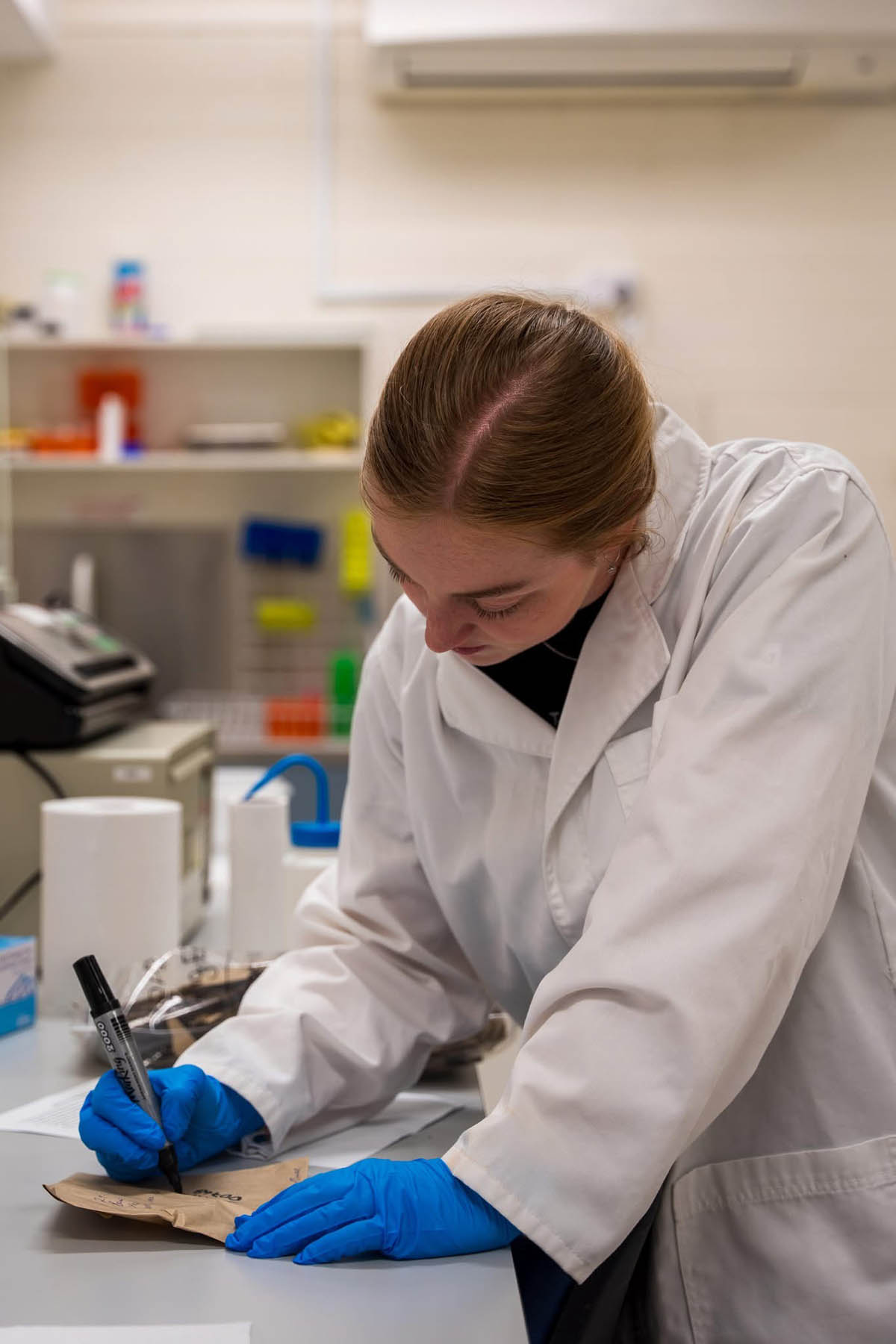
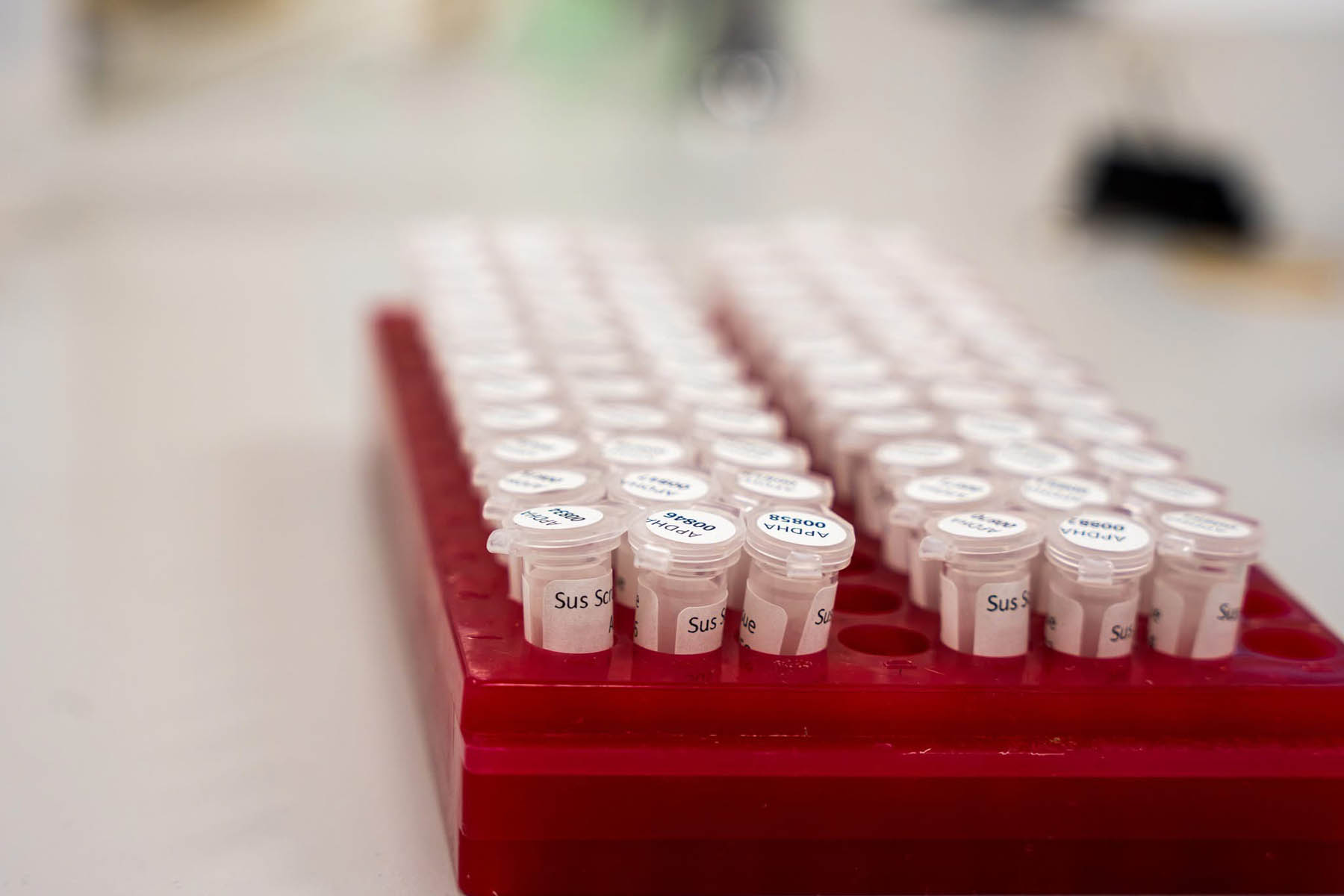
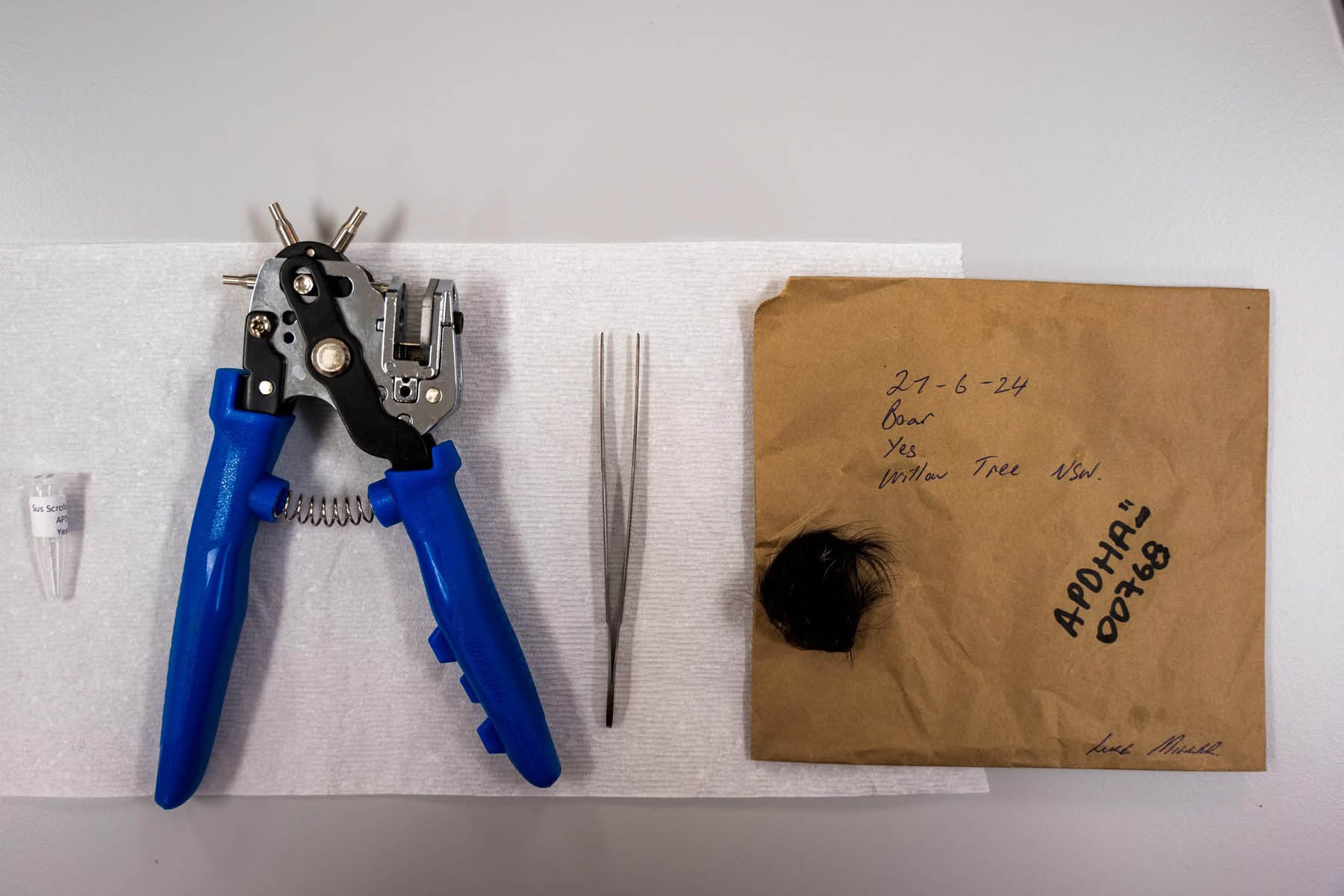
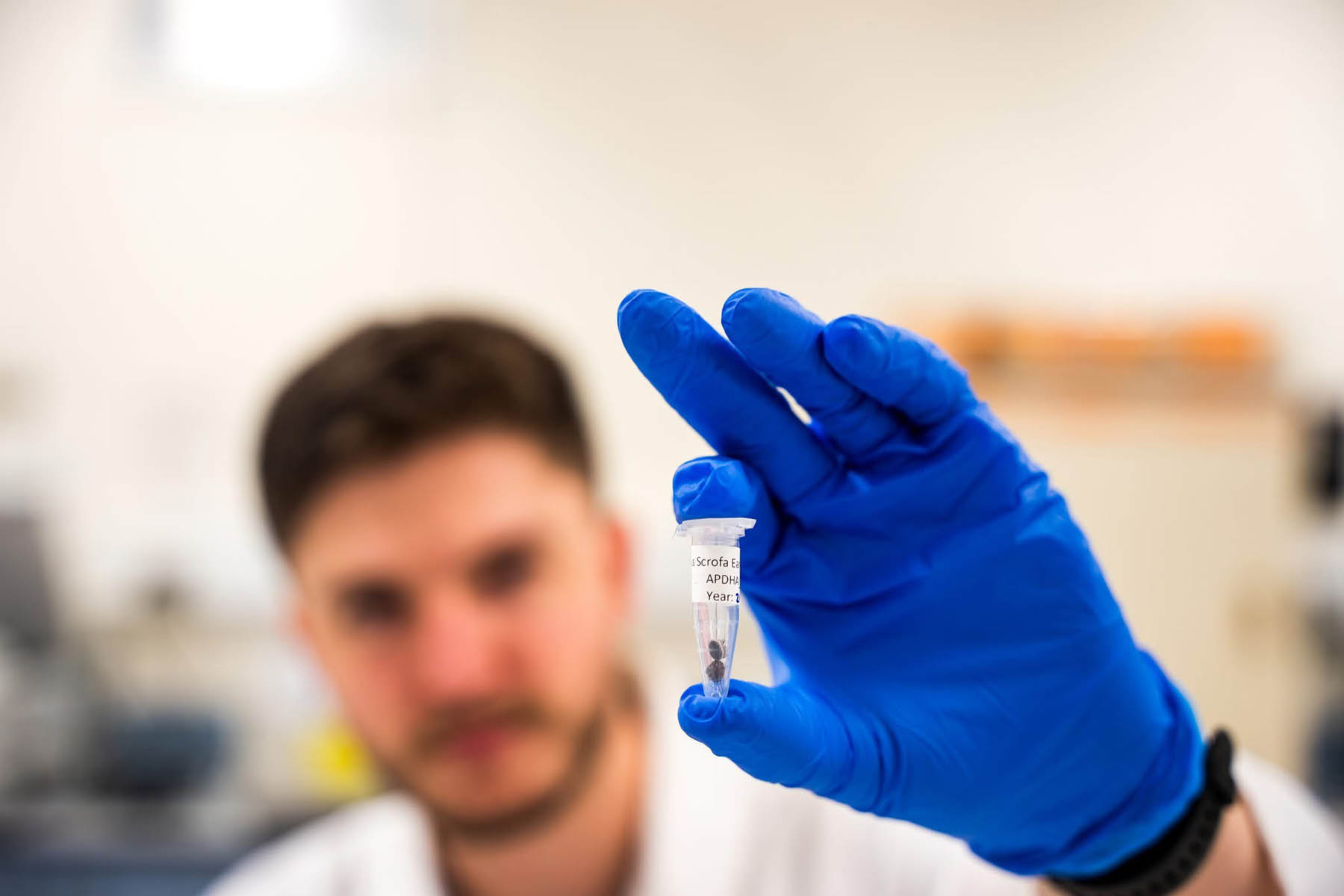
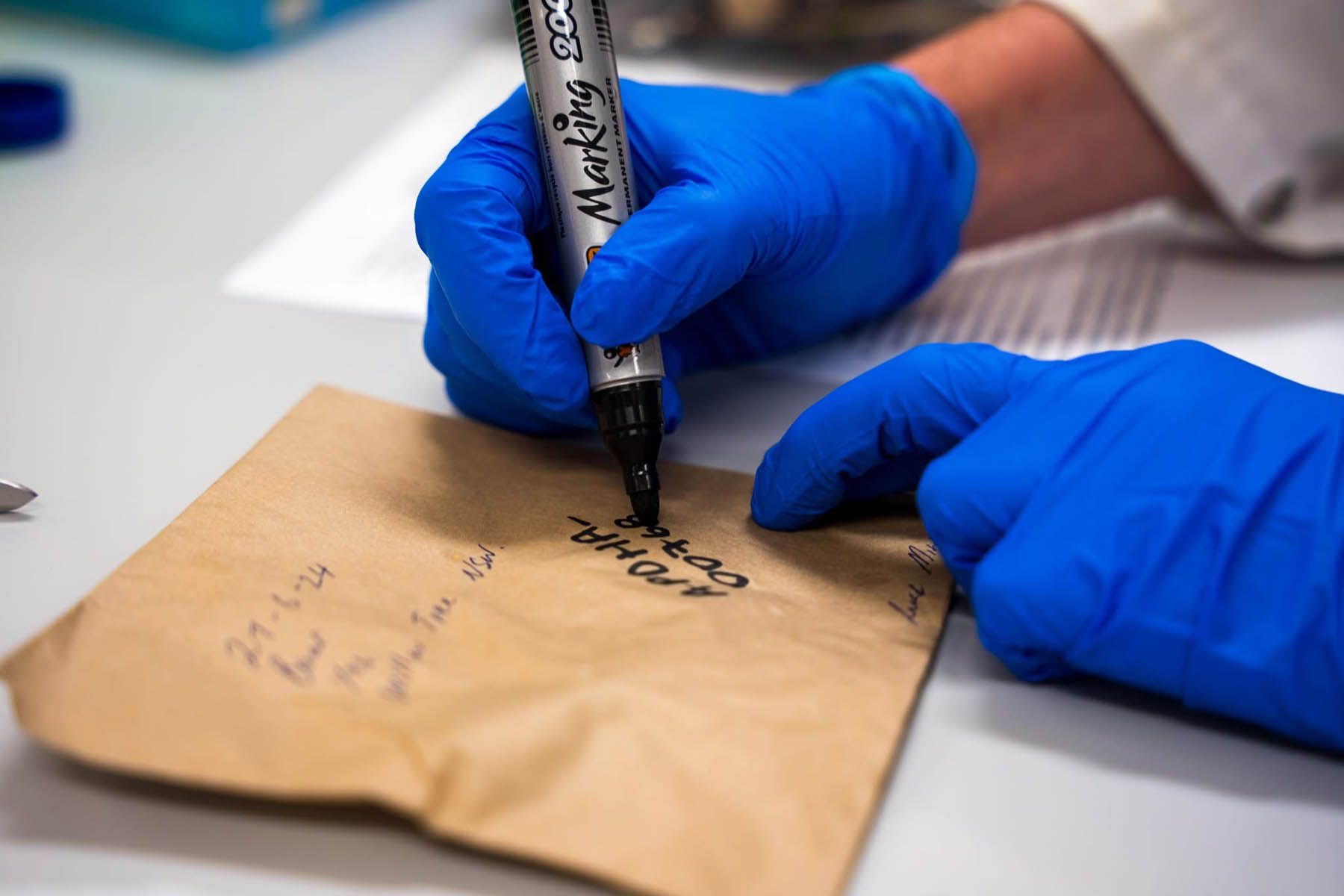
With support from University of Southern Queensland and University of Canberra, the 10,000 Ears Project has mobilised hunters to become researchers in the field to save Australia’s delicate ecosystems from wild pigs. Registrants for the Project receive a kit containing a vehicle sticker, letter of intent and specimen bag and are instructed to snip the tip off an ear from every pig that they take.
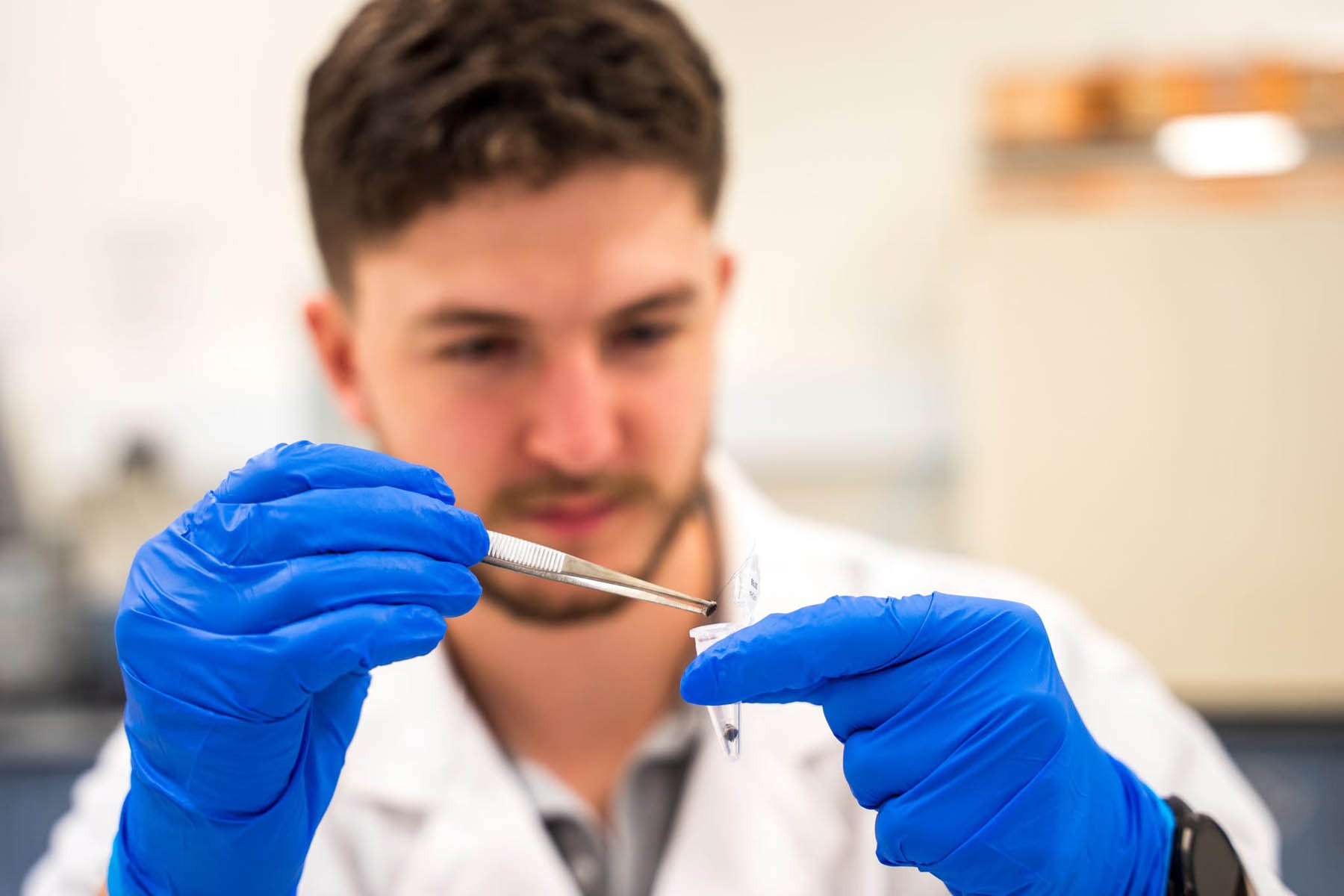
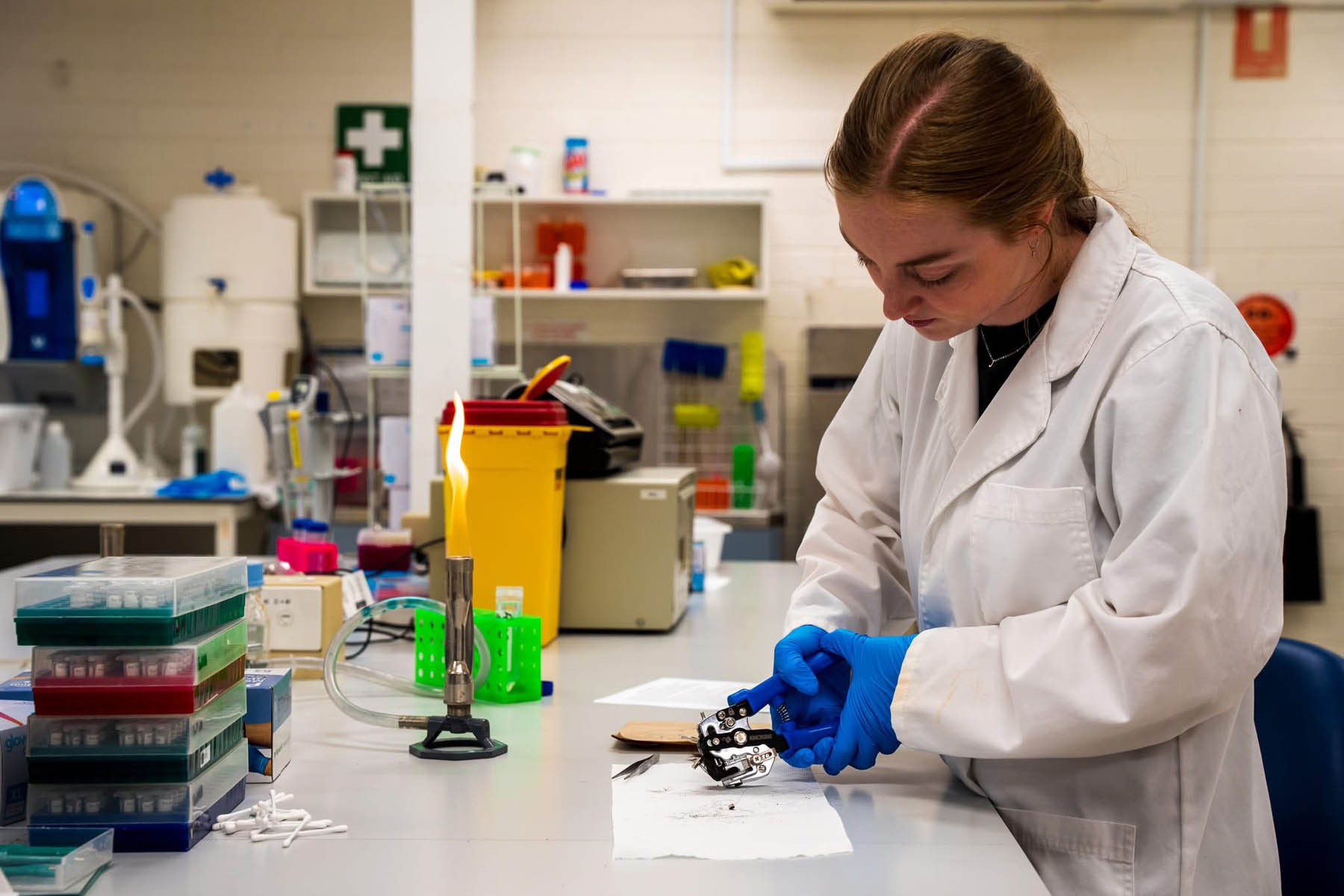
For samples to be considered viable, ear tips must be dried out completely and accompanied by detailed records of the pig’s gait, breeding age, date of kill and closest town to its last location. The ears are then sent to the APDHA before being prepared and delivered to the student research team at the Institute for Applied Ecology, University of Canberra. Leading that team is Professor Dianne Gleeson, a wildlife geneticist and developer of EcoGene, a leading DNA-based diagnostics service which has contributed to government biosecurity measures across Australasia.
A self-professed ‘DNA nerd’, Professor Gleeson joined the Project on recommendation from Dr Allen and considers it a great exercise for her students who’ll be accessioning the ear tips into a manageable collection. “The techniques we’ll use will result in fine-scale genetic data,” she said. Even the smallest samples contain hundreds of pieces of information which can “reveal things like population sizes, movement patterns and local breeding groups”.
If a big enough collection is achieved, researchers could pre-emptively stop pigs from moving into new habitats, make breakthrough discoveries in biocontrol and track diseases across separate mobs, which could change the way large-scale disease containment is handled. “Our research will provide better information for both hunting groups and conservation managers,” Professor Gleeson said.
So far the APDHA has received several thousand ear tips and while there’s no end purpose, the University of Canberra has agreed to hold them in perpetuity as a training tool in the pursuit of DNA technologies. “This is a long-term, on-going project,” Makim said. “We’re going to keep gathering data and physical samples and see what pops up.”
By the end of the Great Australian Pig Hunt in December of last year, the APDHA’s final data report found those 121,103 pig hunters had collectively eradicated an estimated 5.3 million pigs and, left unchecked, another 29 million would’ve been born. As daunting as those numbers are, Makim is undeterred and says the APDHA has two more years of active in-field research planned and has vowed the 10,000 Ears Project will not stop until that many ears have been collected. “What we have is an absolute belief in our culture and capacity to contribute very broadly to biosecurity objectives, environmental objectives and agricultural management objectives,” he said. “We’re not inclined to give up.”
And it does appear pig hunters are finally receiving positive recognition. In June of this year, at the same time Mk.2 of the Great Australian Pig Hunt started, the NSW Government proposed the Game and Feral Animal Legislation Amendment Bill, which would acknowledge the role of hunting in the preservation of native species and open up more land for recreational and cultural hunting purposes.
At a function celebrating the Bill’s progress Makim, along with several other pig hunters, received personal thanks from the Minister for Climate Change, Energy, Heritage and the Environment, Penny Sharpe, and the New South Wales Minister for Agriculture, Tara Moriarty, for their efforts in helping the government achieve its objectives in wild pig management. It was a momentous occasion and one Makim hopes heralds the beginning of a more accepting future for pig hunting.
“We feel hunters should be consulted a great deal more about wild pig management because no-one knows more broadly throughout the community than a group of hunters about that animal,” he said. “The depth of knowledge across the vast number of hunters in Australia is unsurpassed.”
- If you’d like to contribute to the 10,000 Ears Project, contact the Australian Pig Doggers and Hunters Association at [email protected]. Participants will receive a kit and detailed instructions on how to prepare ear tips for analysis.