

Derek Nugent celebrates the find of a lifetime
The year 2025 represented the centivintennial (Latin for 120th anniversary) of all those weird and wonderful things introduced to the world in 1905. “So what?” I hear you chorus. Well let’s consider a few of the innovations of that year I’m sure we’d rather not be without. The first synthetic plastics were invented, Frenchman Paul de Vivie gave us the rear wheel derailleur for bicycles, while for car enthusiasts, patents for new inventions like windscreen wipers and the turbo charger were registered and the first Hemi-engined automobile was made in Belgium.
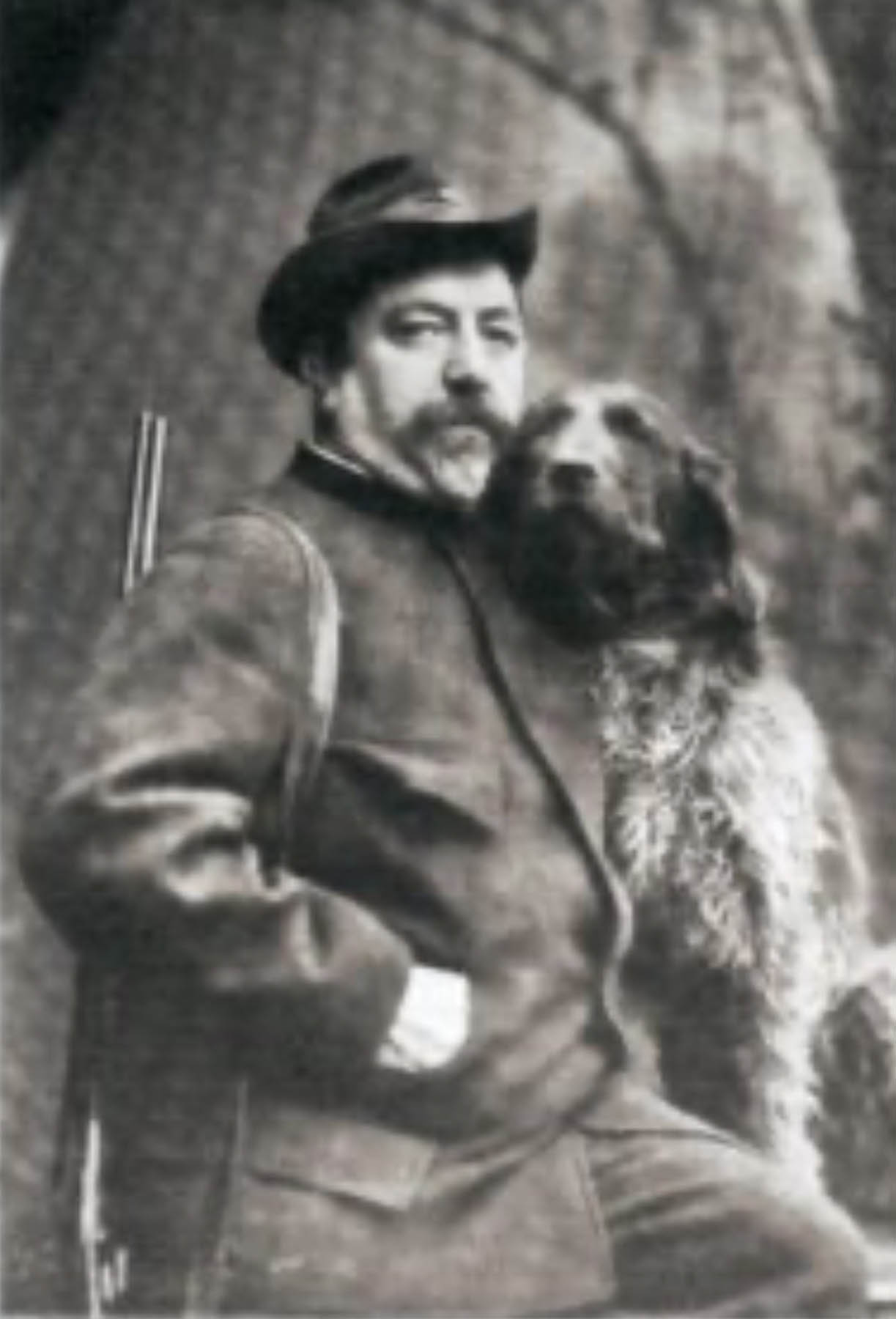
The chainsaw also made its debut with an immediate impact on forestry and related industries, and it was also the year which saw the emergence of a true African queen. Not, of course, the 1951 film classic starring Humphrey Bogart and Katherine Hepburn but, more importantly for hunters, the classic 9.3×62 cartridge. Invented in 1905 by German gunsmith Otto Bock, primarily in response to the needs of German settlers and colonists in Africa, the 9.3 would go on to establish an enviable reputation for its performance on African game.
Globally it would be embraced by hunters targeting medium to large game including wild boar, many deer species (particularly moose and elk) as well as bison and bears. While popularity has waned at times the reputation, performance and, dare I say, mystic of the cartridge remains highly attractive to a new generation of hunters, myself included.
The scramble for Africa
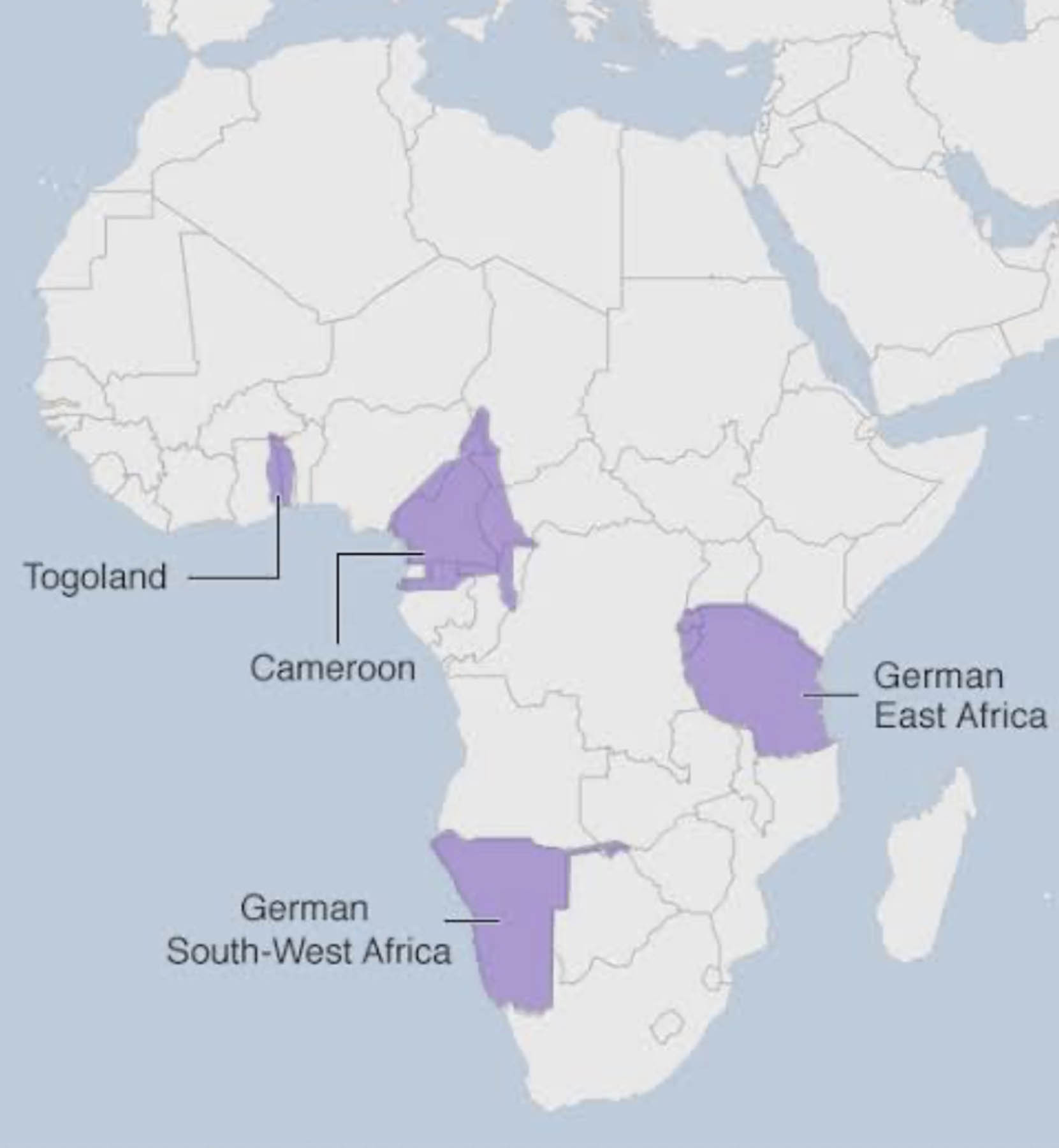
History can’t be denied and it’s a fact that from the mid-1800s to early 1900s, European powers vigorously and aggressively competed to acquire and control large swathes of African territory. They ruthlessly established colonies to exploit the people and natural resources of this vast continent with Germany, though a late comer, being no different.
Between 1880 to the end of WWI they established the colonies of German South-West Africa (Deutsch Sudwestafrika), German East Africa (Deutsch Ostafrika), Togoland and Cameroon. As well as providing access to raw materials and new markets, these colonies attracted many thousands of German settlers and adventurers looking to establish new and better lives for themselves in the continent.
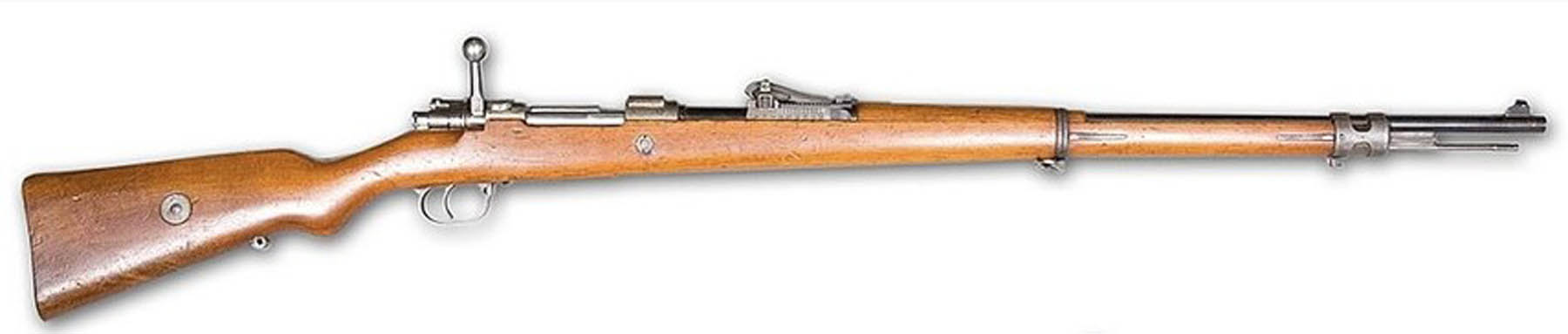
Between 1884 and 1928, some 20 different 9.3 cartridge offerings were developed but only Bock’s has really stood the test of time. German colonists embraced the round as a practical and economic all-round workhorse, attracted by its power and emphatic performance on the full range of African game. Its affordability, availability and the fact it was designed for the ubiquitous Mauser 98 also made it an attractive proposition.
Furthermore, it circumvented the colonial governments’ prohibition on civilians being able to access rifles in military chamberings. Being fearful of the ever-present threat of revolt by native Africans, there were bans on private ownership of military rifles and ammunition. However, the 9.3×62 was never a military cartridge so had instant and long-lasting appeal.
Poor man’s .375 H&H
So effective has it been on African game, the round has over time acquired the affectionate moniker of the poor man’s .375 H&H. In fact by way of confirmation, for many years it was exempt from the minimum standards for dangerous game hunting in Africa, though in truth I don’t know if this is still the case.
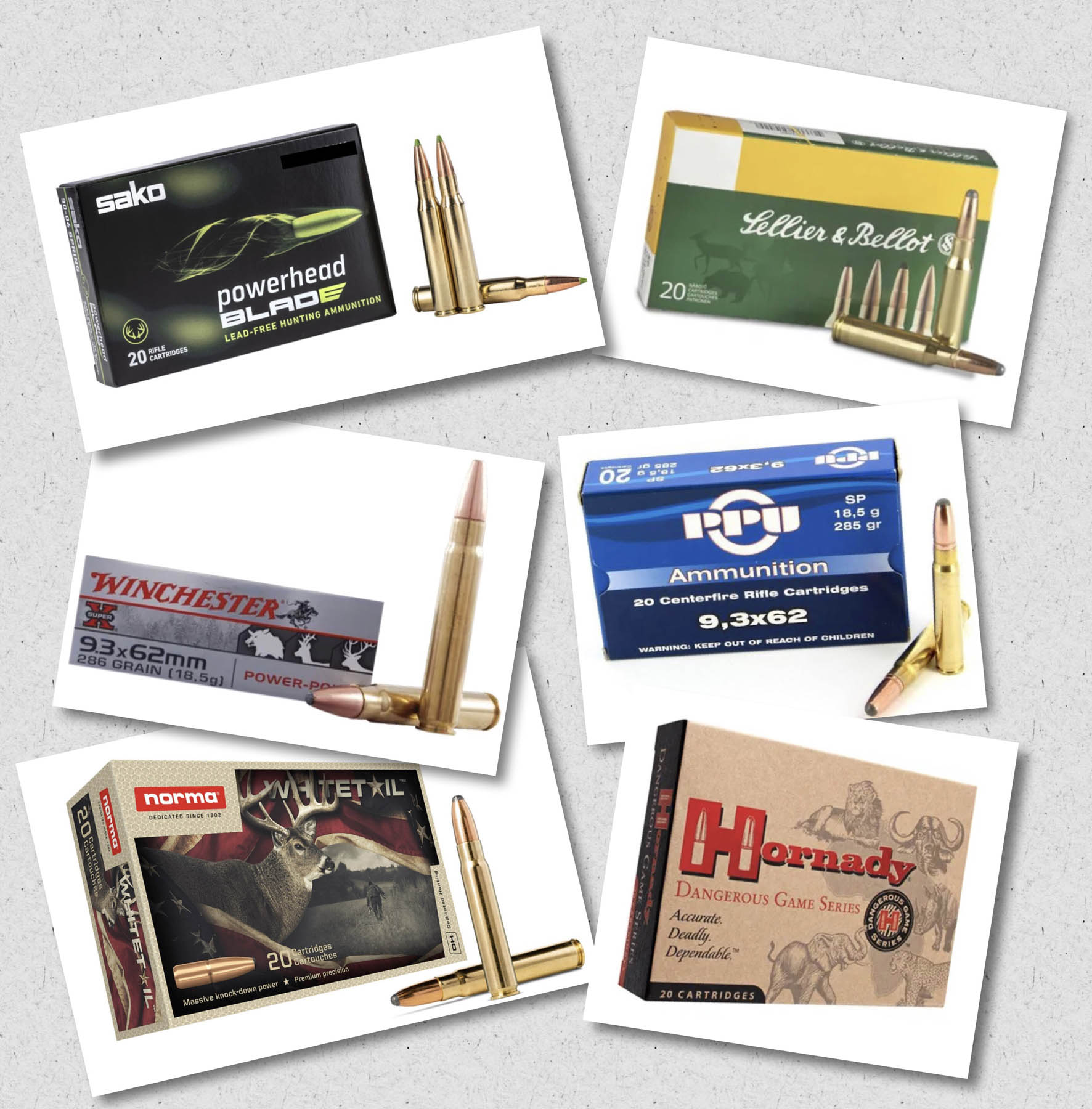
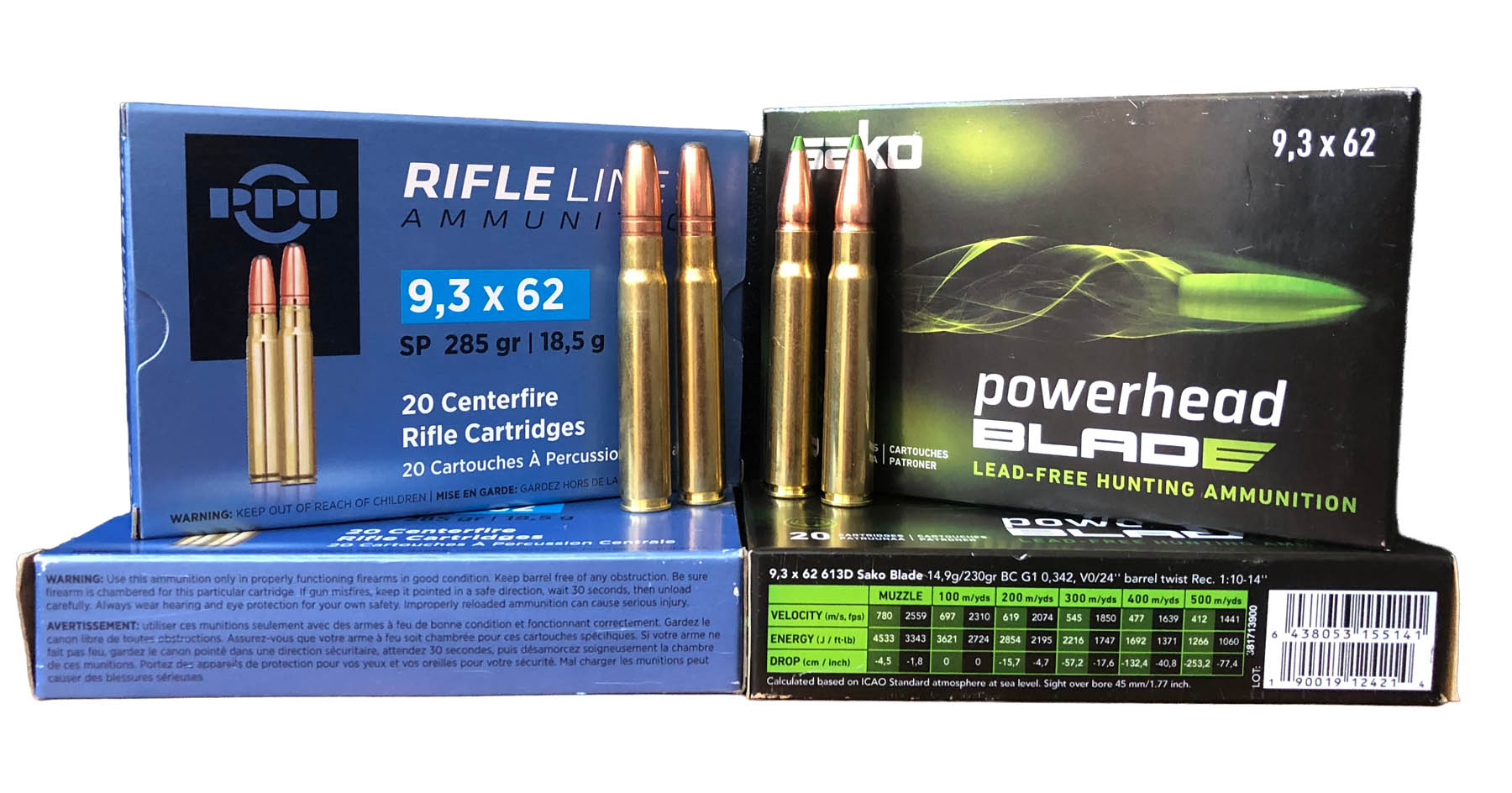
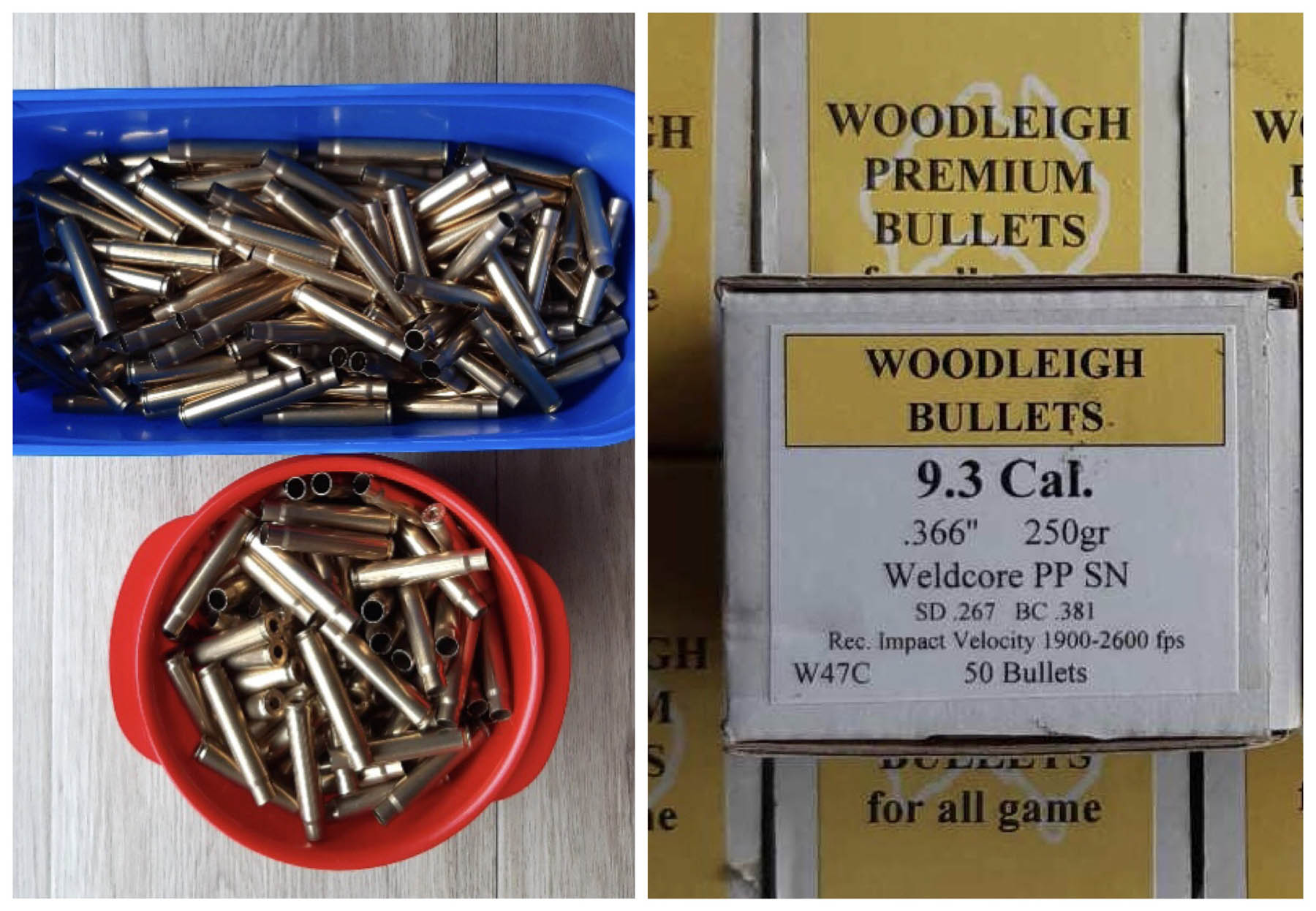
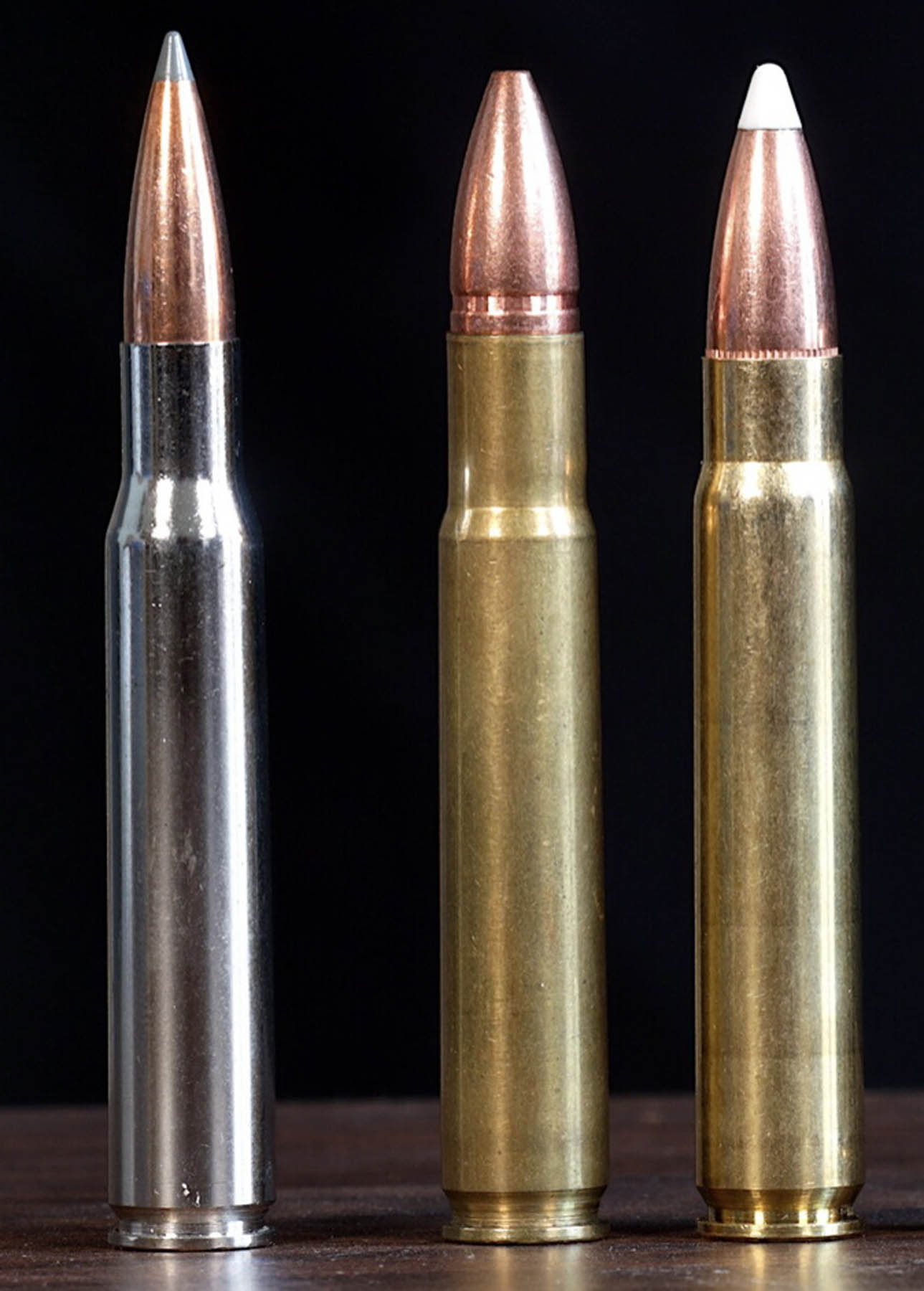
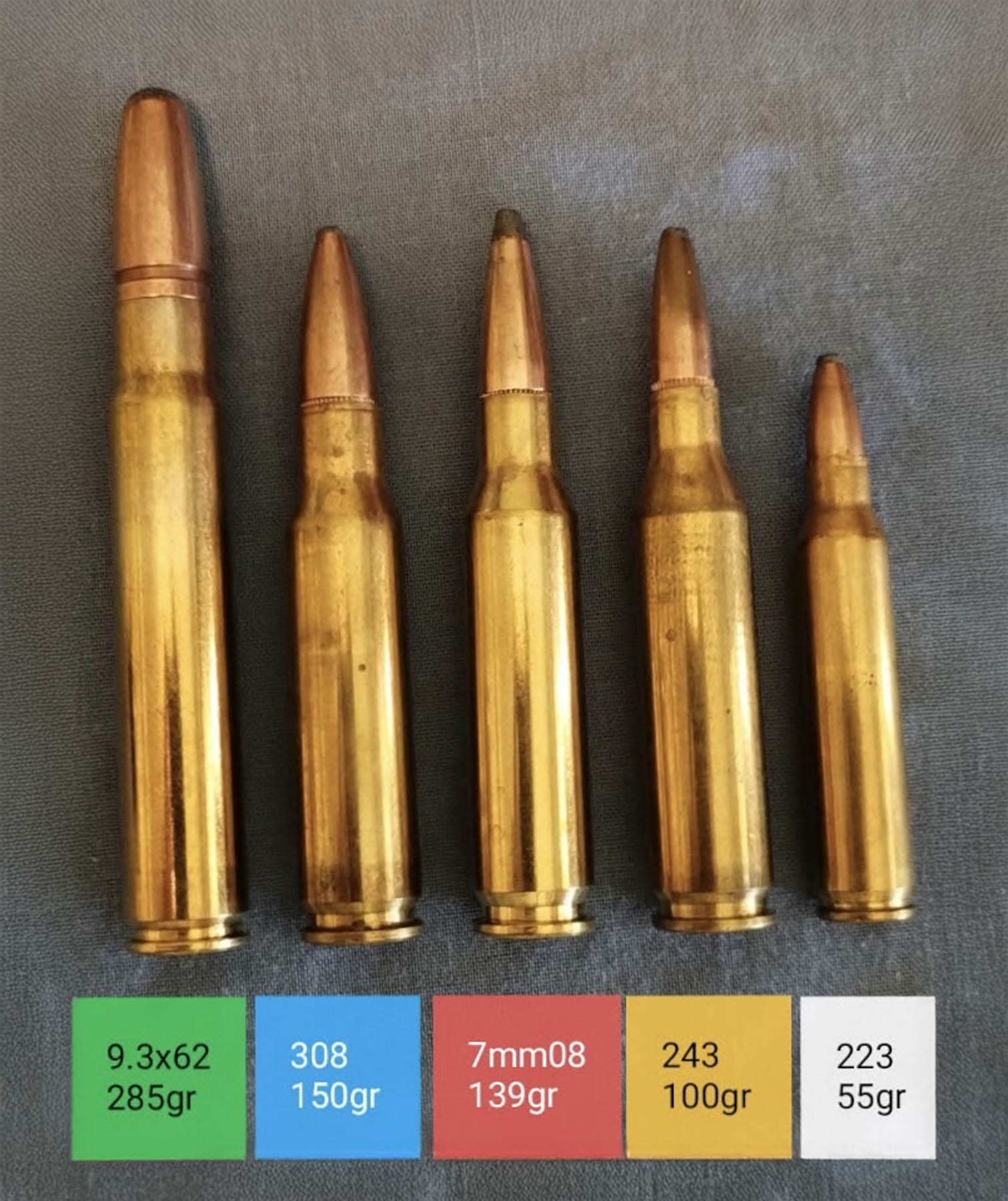
The 9.3×62 is a rimless, bottleneck cartridge which most commonly features a 286-gr projectile with muzzle velocity of about 2400f/s, though other factory-loaded options achieve 230-gr at 2690f/s, 250-gr at 2550 f/s and 300-gr at 2350f/s. Of course handloaders can work up a myriad of other outcomes as is their want. Fortunately most major ammunition manufacturers list 9.3×62 among their offerings, so it’s relatively easy to locate.
You may find, however, some brands are harder to source than others, requiring a special order by your dealer which may entail a bit of a wait. Prices vary widely too, from around $45 (PPU) to $169 (RWS), depending on what you’re after. Retailers are at liberty to price as they see fit, so it pays to shop around. As a general rule though, European brands tend to be more expensive and the average price is around the $100 mark for a box of 20 cartridges.
Interestingly, an examination of various ballistics tables online and discussions with experienced 9.3 shooters, suggests in general terms with a 100m zero, the 286-gr pill launched at velocities between 2700 and 2400 f/s, shoots very flat between 50 and 100m, drops between 1.5-2” at 150m and between 4-6” at 200m. It’s thought Bock used existing cartridges like the 7×57 Mauser and US 30-03 (predecessor to the hallowed 30-06) as inspiration for his design. Due to a certain degree of similarity in terms of looks and performance, in the US the .35 Whelen is often referred to as the ‘American 9.3’.
My interest
I’ve always liked the idea of having something a bit different in the gun safe and for years had admired the 9.3×62, though had also heard lots of horror stories (as you do) about its recoil. Shooting a reputed belter isn’t high on my list of priorities and we all know how heavy recoil can undermine confidence and marksmanship.
Yet after rekindling a somewhat dormant friendship, I found myself able to actually have a bench session with a 9.3. To my great surprise I found the experience thoroughly manageable, as recoil was no more noticeable than the 45/70 I’ve been using for more than a decade. Now everyone notices or tolerates recoil to different degrees and the definition of comfortable is subjective. But I’m confident in using the following to describe recoil of the 9.3. To me it manifests as a solid ‘push’ rather than a sharp ‘kick’.
Perhaps years of experience with the 45/70 or the fact that in the Army I’d regular experience firing the L2A1 LMG (automatic heavy-duty version of the SLR), has upped my tolerance of recoil but honestly it was fine. And let’s face it, as any seasoned hunter will attest, in that moment when you grass your quarry, you don’t notice recoil anyway. Adrenalin kicks in and hopefully a single shot suffices, though sighting-in off the bench can be another matter.
SSAA Gun Sales
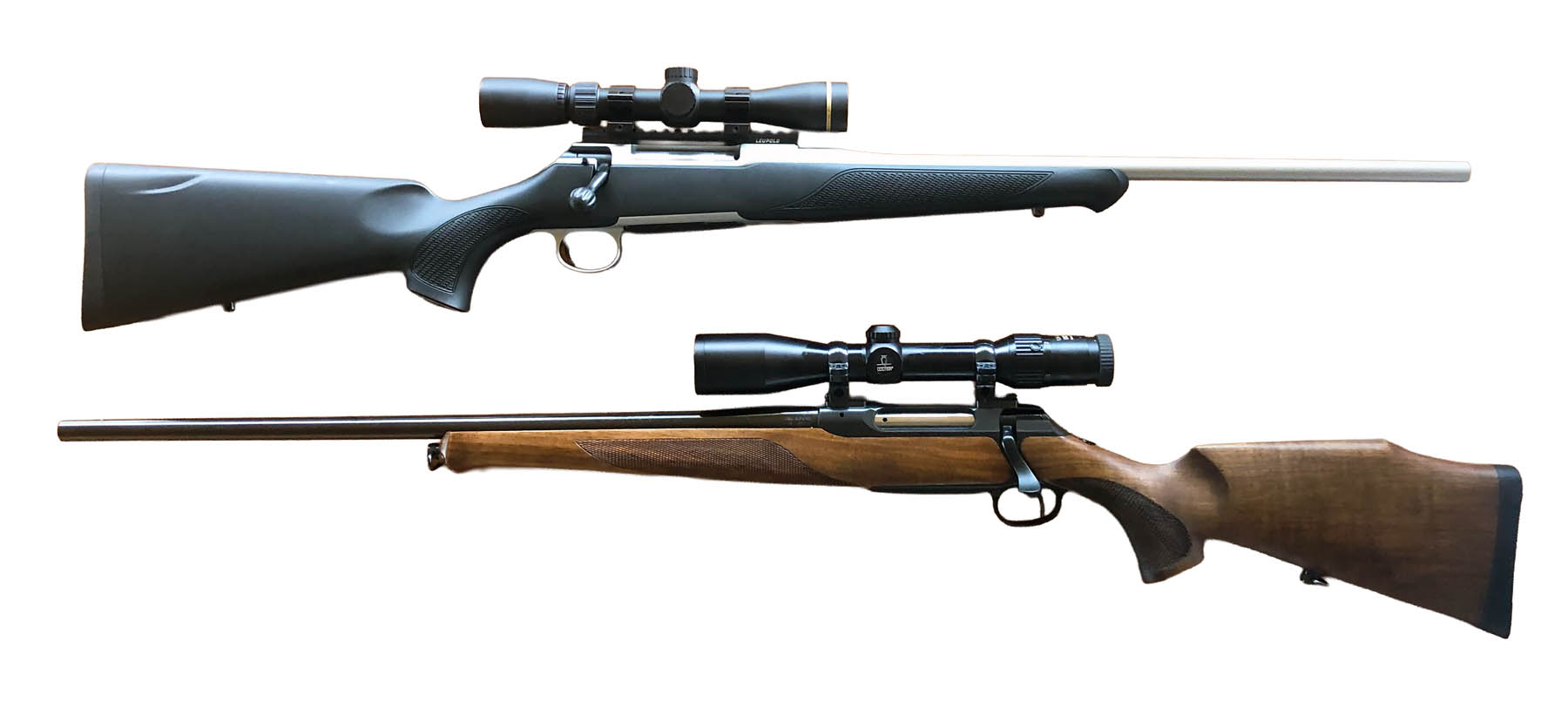
After my introductory experience with the 9.3 I determined to buy one and, not being averse to a second-hand option, immediately took to SSAA Gun Sales to try my luck. And I’m glad I did. Quite surprisingly my first search struck paydirt in the form of a left-handed Sauer 202 in 9.3. Unbelievable! A genuine ‘safe queen’ in almost mint condition, it had never been in the field and to the range just three times with about 30 rounds put through it. The rifle was being sold by a Sauer enthusiast who was downsizing his collection and, needless to say, it’s now safely in my possession.
The Sauer name is synonymous with quality as befits Germany’s oldest firearms manufacturer. The company was established in 1751 by Lorenzo Sauer in the city of Suhl. In 1873 it was rebranded as J.P. Sauer & Son with a focus on quality hunting arms. During WWII they produced K98 rifles for the military and were instrumental in development of the STG44 (MP44), grandfather of all modern assault rifles. This was actually the template on which the Soviets developed the AK47.
At the end of the war, Sauer was re-established in West Germany under the stewardship of Rolf Dietrich Sauer and became the first manufacturer of hunting rifles in post-war Germany (in 1950 he sold the rights to the company to a conglomerate of industrialists). Beginning in 1976 and throughout the ’80s Sauer amalgamated with Swiss company Sig, a union which saw development of the 200 series of hunting rifles which enjoyed a highly successful production run from 1993 to 2015. The 202 range was ultimately improved and morphed into the 404 range we see today. J.P. Sauer & Son also currently produce the 100, 101 and 505 series, all of which are available in Australia.
My Sauer is topped with a scope of similar vintage and heritage in a Docter 1-6×42 Classic. It seemed so at home on the rifle I could see no reason to separate the pair. Known for their quality and value, Docter Optics have been popular with German hunters for decades. While not of the standard of a premium brand like a Khales or Schmidt & Bender, I believe they’d comfortably equate to a Swarovski or Steiner. The fact the late Nick Harvey thought so highly of them was also sufficient recommendation for me.
Their 150-year history began in the factory of Carl Zeiss precision optical instruments. In 1991 following German reunification, the then state-owned facility in Eisfeld was taken over by Bernhard Docter and their products rebranded, then in 2018 Docter Optics became Noblex and thus it remains today. I’ve found the scope provides an impressive level of clarity, particularly in low-light situations and to say I’m happy with this combination is an understatement.
Don’t dream it, be it
I’d long dreamt of being the owner of a 9.3 and now I am. The whole process of locating and acquiring the rifle was made extremely simple and effective by my use of SSAA Gun Sales, which I heartily recommend to other potential buyers. I am, however, the first to admit that finding a left-handed, immaculately conditioned rifle in 9.3×62 just waiting to be snapped up was more than good luck. Maybe it was fate.
Anyhow, I’ve dubbed her ‘The African Queen’ in homage to her heritage and in this, its 120th year, I’m ever grateful to Otto Bock for the quality of his 9.3 design which has certainly stood the test of time. I also raise a glass to all those long-gone German colonists, adventurers and big game hunters who took a good cartridge and ran with it, in the process helping create and perpetuate a stalwart of the hunting world. The goal now is to put it to good use here in Oz and while certainly over-gunned for fallow, perhaps a little ‘safari’ to the NT might be in order.