
Leon Wright recalls his father’s war heroics at Tarakan
It’s often said war never leaves those who participated in it and sadly that often rings true for their families too. I for one can bear witness to the validity of that statement. After waging a successful guerilla campaign against the Japanese on Timor Island during World War Two, the 2nd and 2/4th Independent Companies were returned to Australia and consequently disbanded, then quickly reformed when a Japanese invasion of our country looked imminent.
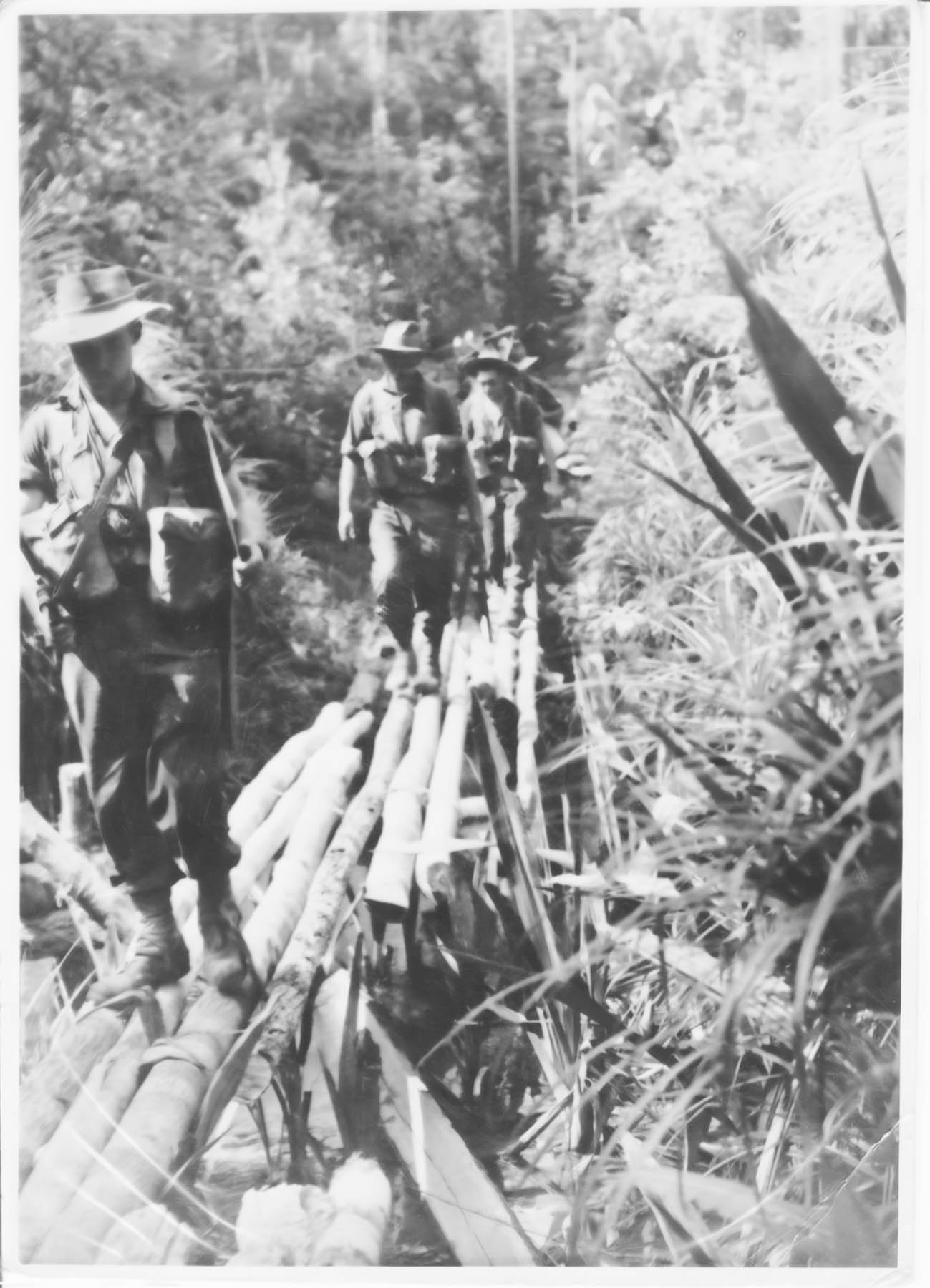
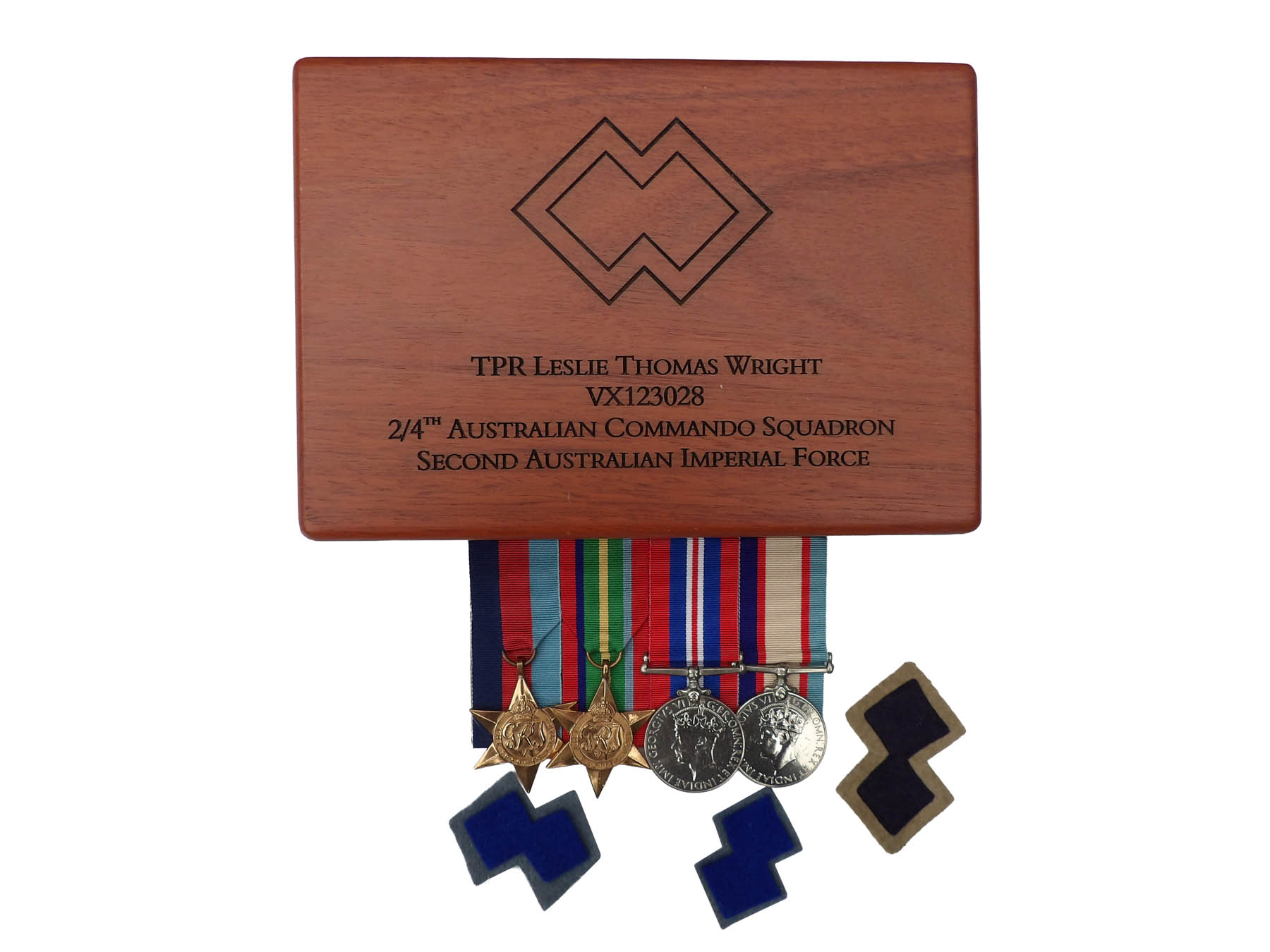
My father, Trooper Leslie Thomas Wright VX123028, volunteered for the 2/4th Independent Company, later to be renamed 2/4th Commando Squadron. The reformed Independent Companies trained heavily in jungle warfare, as they were originally going to be deployed across northern Australia to fight a guerilla campaign against the Japanese if they landed on our shores. As is turned out they were stopped in New Guinea, so the Independent Companies were posted there to join the fight.
On September 3, 1943 dad, along with the other 2/4th commandos, were attacked by Japanese torpedo dive-bombers off Red Beach just east of Lae, New Guinea. The convoy of LSTs (landing ship tanks) were part of the first opposed amphibious operations by Australian troops since the landing of our forces at Anzac Cove during the Great War. Dad said they could see the torpedos heading straight for them and all on board winced, readying themselves for inevitable impact. Luckily for the LST he was on, the torpedo narrowly missed but sadly was a direct hit on LST471, killing 34 of the 2/4th commandos and wounding many others.
The horrors of this incident surfaced many times down the years and I can vividly recall as a teenager, being woken in the middle of the night by dad screaming in his sleep. Poor mum bore the brunt of it, including the time he had her by the throat thinking the Japanese had wire around his neck. She had to forcibly kick him off, not something a woman in her advanced years should have to do. Then came the time he’d a bad reaction to anaesthetic. In the morning the doctor asked how he was, to which dad replied “Okay.” “Thank goodness,” said the doctor, “you had us all dodging bullets last night!”
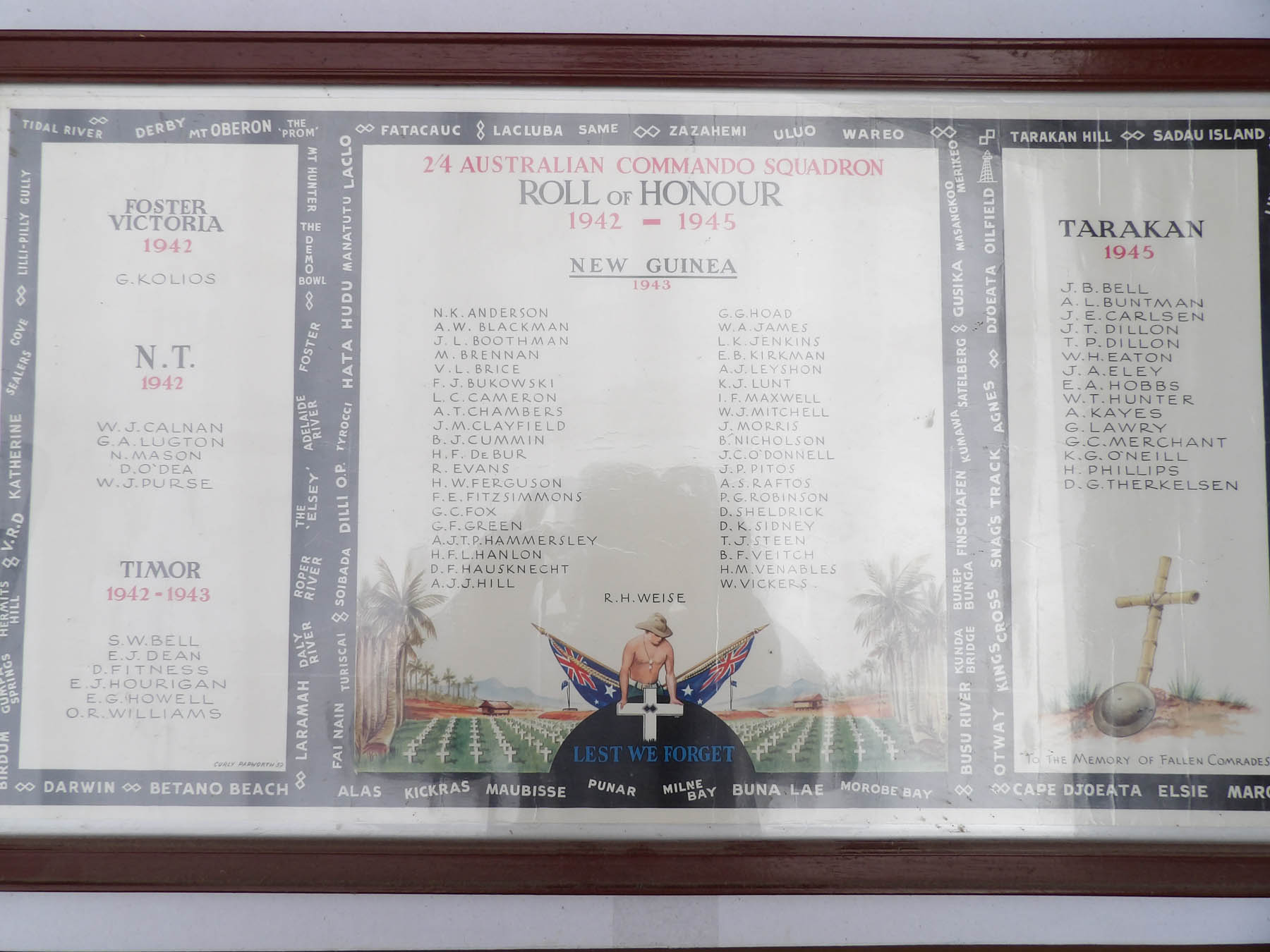
Such incidents were numerous but we laughed them off as what else could you do? Of course there were some we couldn’t laugh off, like the death of his good mate George Marchant. George was Section 9 forward scout and numerous times dad got him out of dangerous situations. Yet the one time he wasn’t there to back him up George was killed in an ambush and the news hit dad like a mallet.
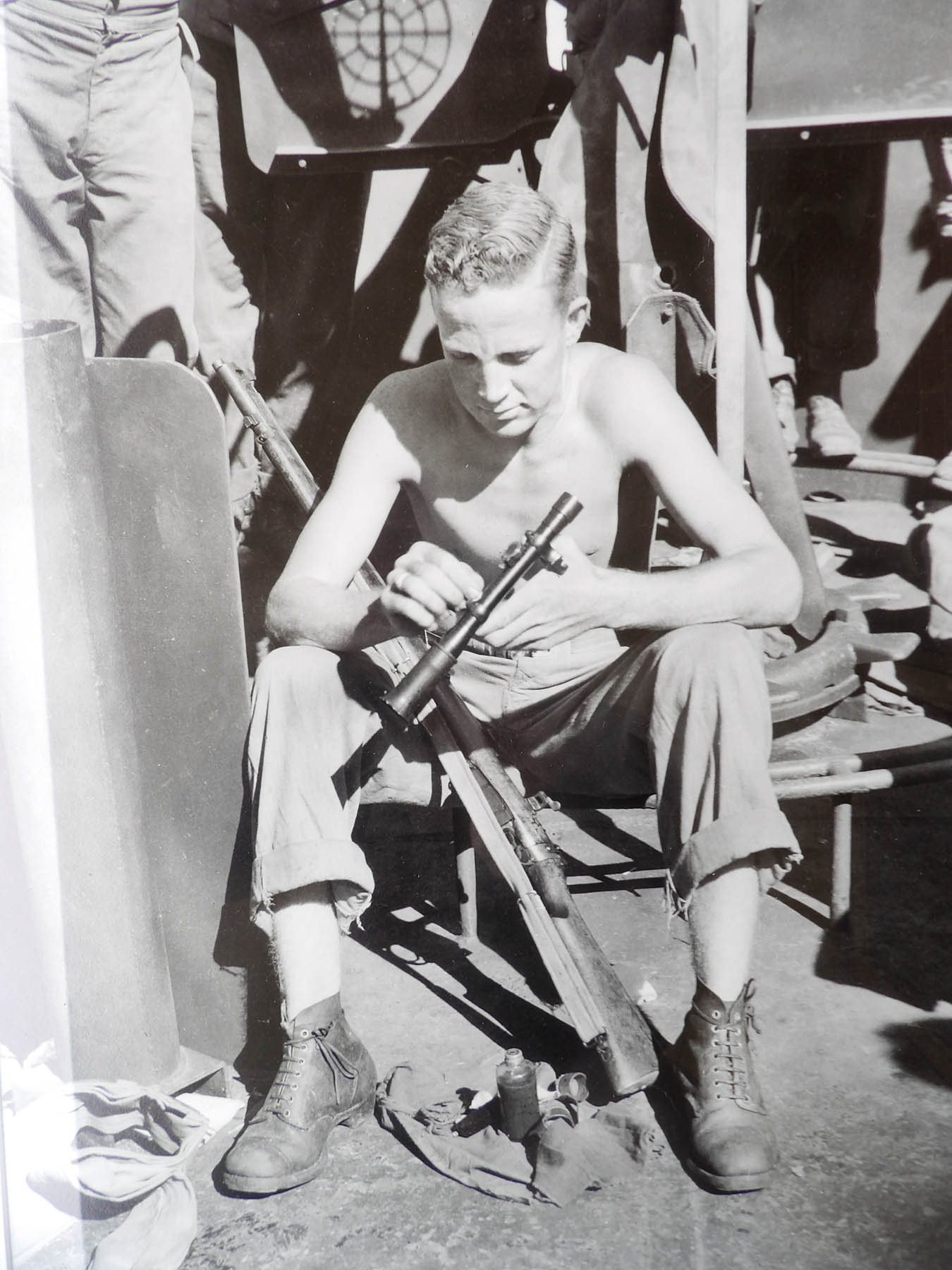
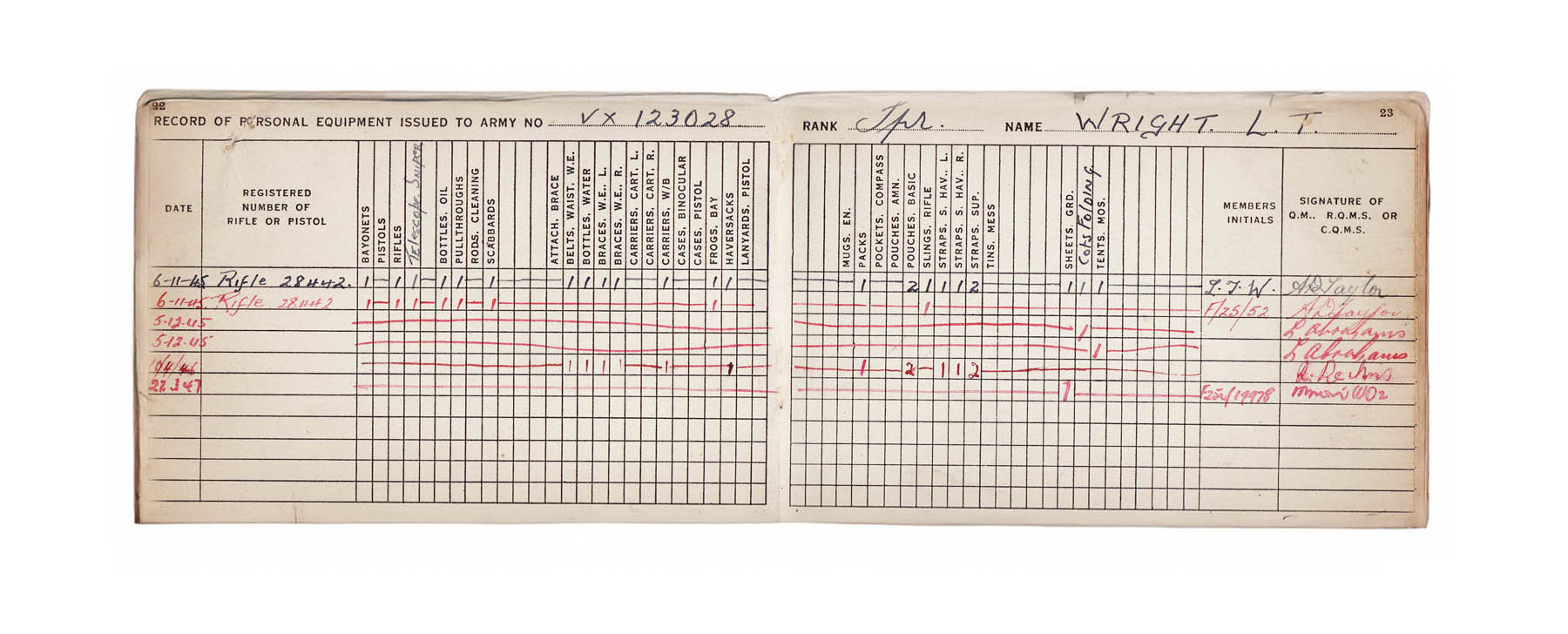
Some time around November 1944, Sniper’s Rifle No.28442 was issued to Trooper Wright, a conversion from an older NI Mk.III receiver as they produced the most accurate shooting. Going by the photo of dad’s rifle it was a high-mount version and, looking at his order book, it was booked out as a telescope. Yet according to Ian Skennerton’s book The Lee Enfield, the high-mount scope was marked Pattern 1918 (Aust) and was produced in Melbourne by the Australian Optical Company. It’s a pretty average affair by today’s standards, though dad reckoned it was good enough to pick off Japanese snipers hiding in the trees. With jungle warfare being what it was, most shots taken were between 50 and 100 yards.
The rifle was presented to dad by an officer who told him he was going to teach him how to kill ‘scientifically’ with it. Then with a wry smile he added: “There’s nothing scientific about it.” The whole squadron was sent to Morotai for further training before joining the 26th Brigade for the invasion of Tarakan, Borneo in what was to become Operation Oboe 1.
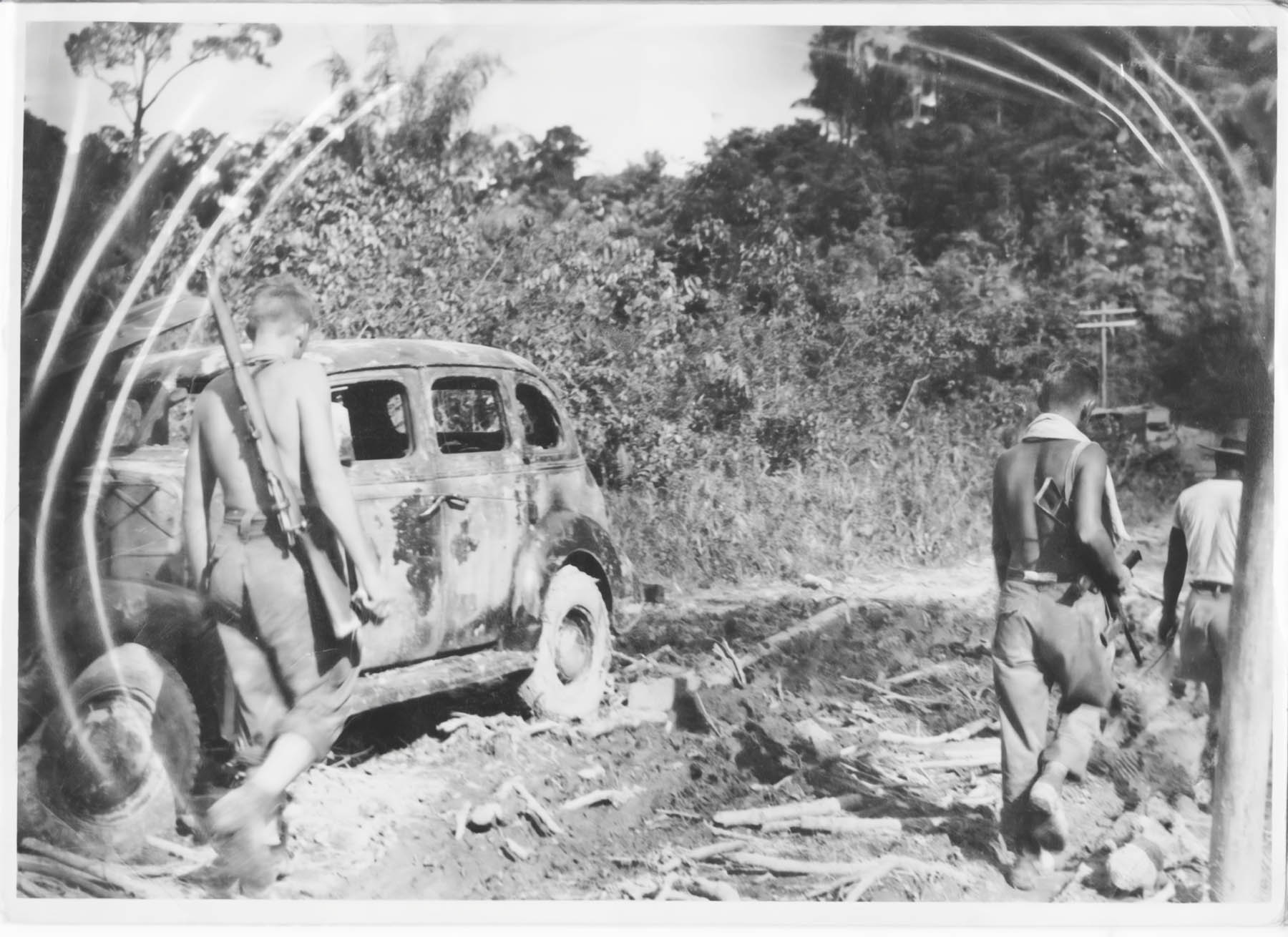
Twenty-four hours before the landing of the 26th Brigade on Tarakan, the 2/4th Commando Squadron landed on Sadau Island to take out the Japanese big guns and establish a field artillery battery to shell Japanese positions on Tarakan as the Brigade landed. The landing on Sadau went smoothly when it was found the Japanese had abandoned the island, so a couple of days after the landing of the 26th, on May 3, 1945 the Squadron moved on to Tarakan.
For those unfamiliar with Tarakan in Borneo, it’d been in Japanese hands since 1942 after the Dutch battalion there was overwhelmed, the island’s rich oil fields being vital to the Japanese war effort. Tarakan Island itself is only 15 miles long and 11 miles across at its widest point, with shores muddy and often covered by mangrove swamps. Further inland, the terrain rose steeply from swampy coastal plains to a tangle of hills and small gullies of dense rainforest, a secondary growth perfect for Japanese snipers to ply their trade. If that doesn’t sound daunting enough, add 2000 enemy troops who’d nowhere to go and were prepared to go down fighting.
On landing, the 2/4th Commando Squadron were given the task of taking the ‘strategic’ Tarakan Hill. With bayonets fixed and the backing of a few Matilda tanks, the Commandos took most of the hill in a day and repelled a Japanese counterattack the following night.
Dad was sniper of C troop, 9th Section and it was his job to take care of any enemy sniper who had the forward scouts pinned down. With the Japanese having nowhere to retreat, he was called up on numerous occasions and, on one of those, volunteered to be the forward scout on a search and destroy patrol. Ambushed by the enemy and with a bullet through his shirt sleeve and another through his hair, Trooper Wright eventually realised volunteering for the job wasn’t the best idea he’d ever had.
While on another patrol moving down a narrow game trail, dad was in front with another trooper covering him with the Bren gun. The deadly stillness erupted in gunfire and dad said he felt the heat of bullets flying past his neck, they were that close. Thinking the Japanese were behind them, dad turned to return fire only to see the trooper holding the smoking Bren gun. He abused his mate for scaring the daylights out of him, only to have him point the Bren at a dead Japanese hanging in the tree. He told him: “I didn’t have time to shout you a warning Bluey.” Dad told me: “I don’t believe I ever did thank him.”
The callousness of war is hard to understand and most of what dad told me is best left behind with the passing of time. Yet one example worth mentioning was that while waiting in ambush above a game trail, dad and a mate relieved a few other troopers in the gun pit and it wasn’t long before a Japanese forward scout came sneaking along. Dad told his mate to shoot the enemy but he calmly replied: “You do it, I’ve just cleaned my rifle!”
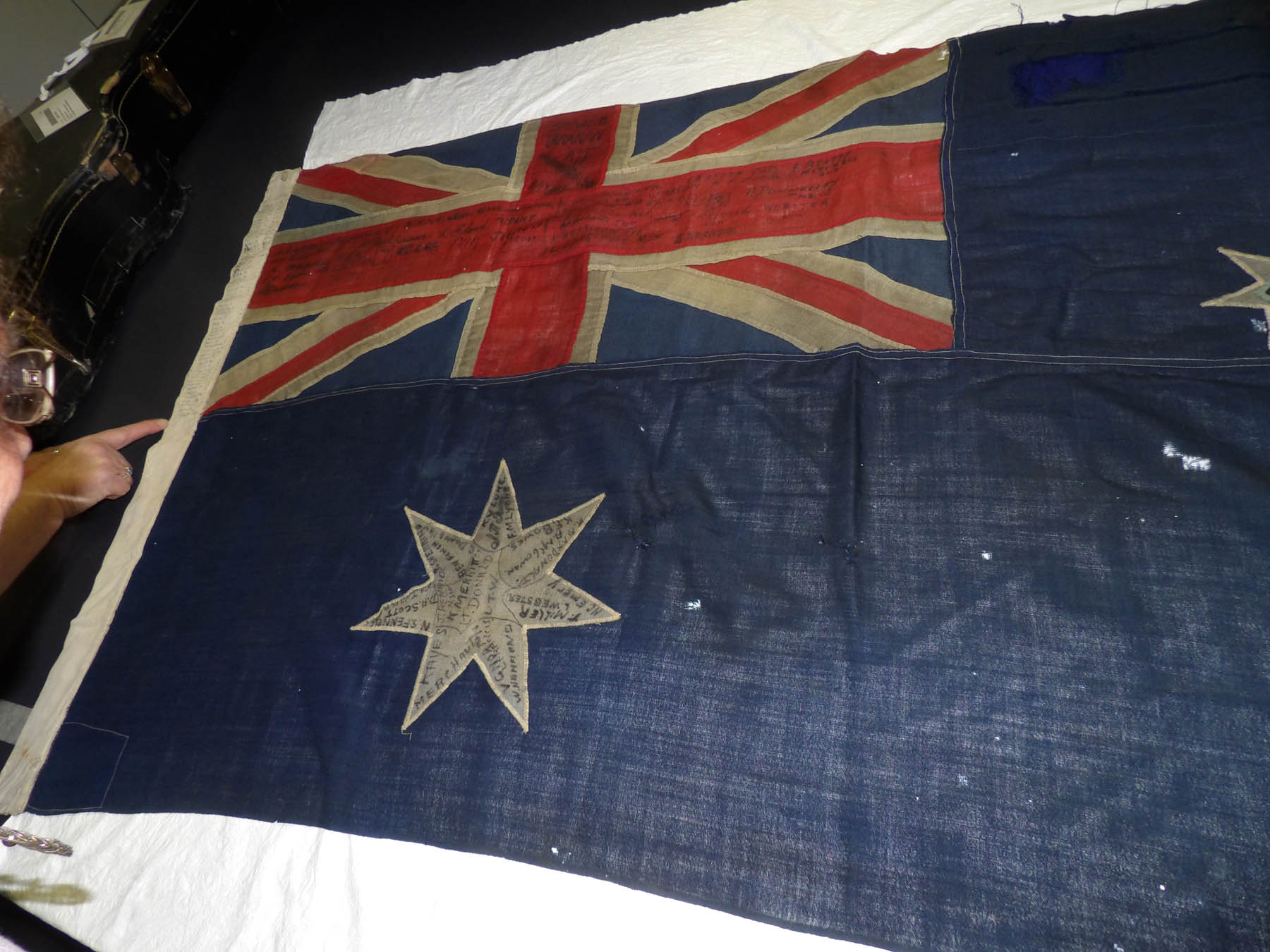
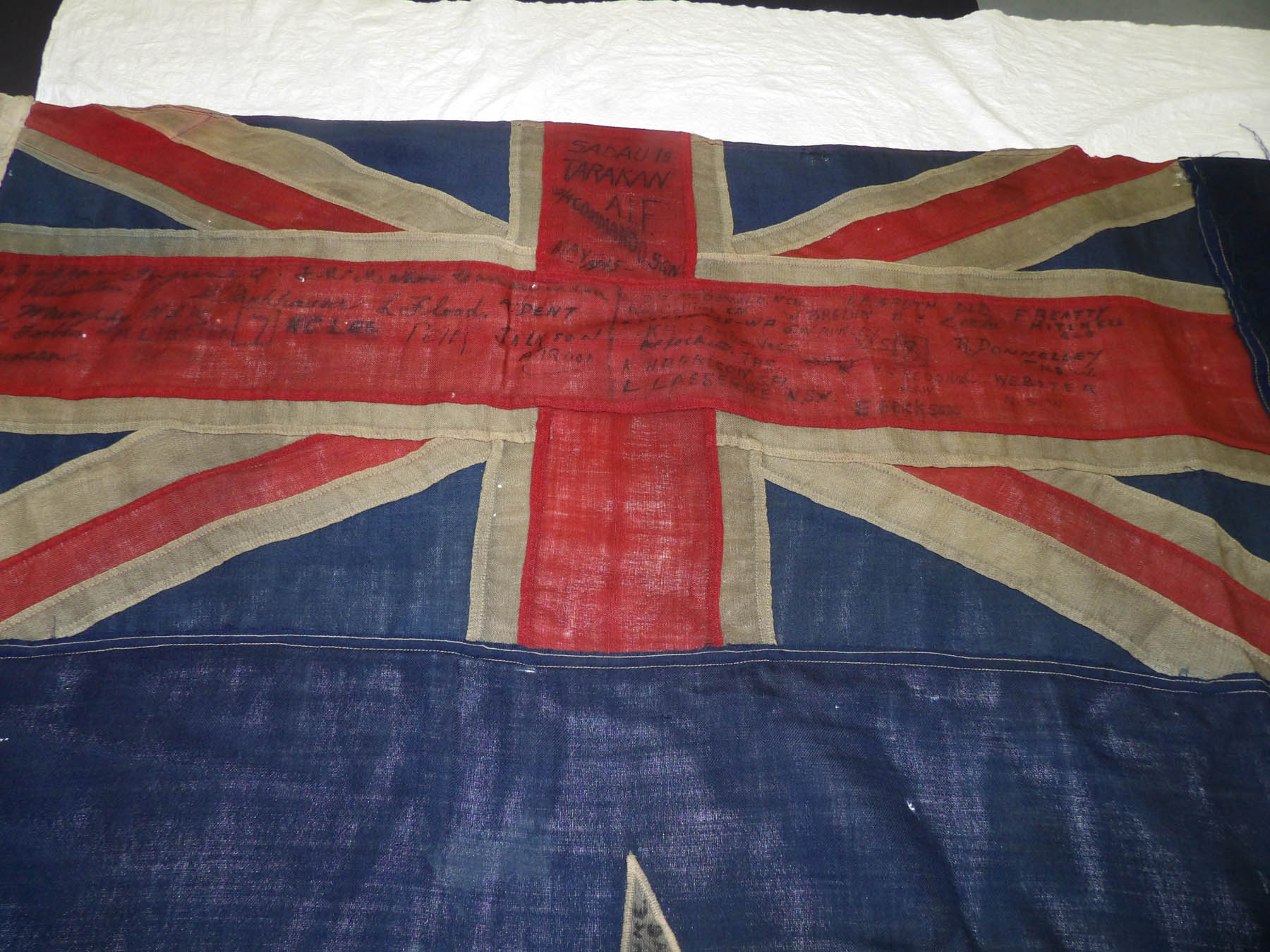
Being the eldest of four children I was given the task of, how did dad put it, making sure he went down in history in all truthfulness. For years he spoke of the Australian Blue Ensign the Commandos raised on Sadau Island and Tarakan, the acquisition of the flag alone making for a good story.
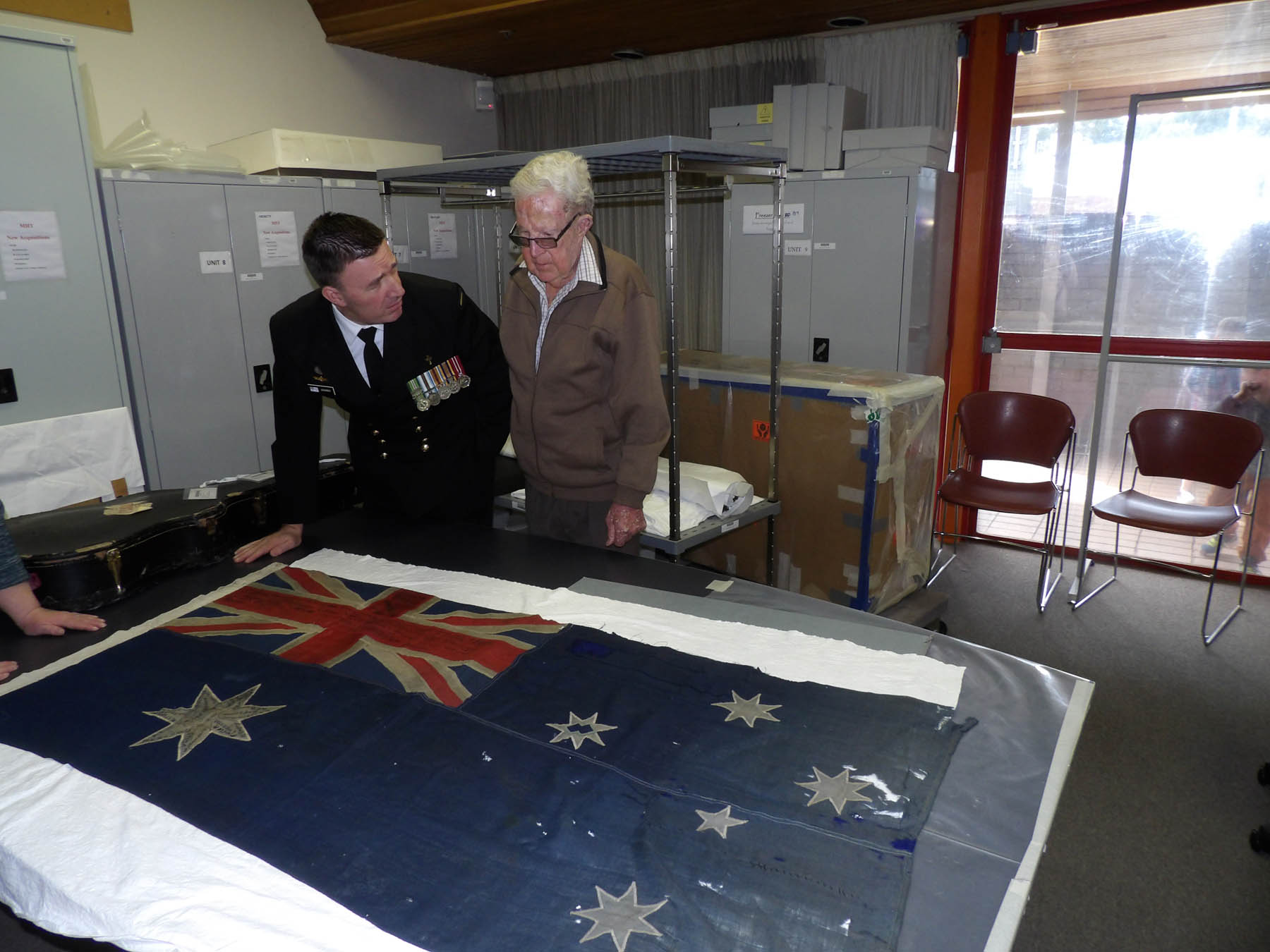
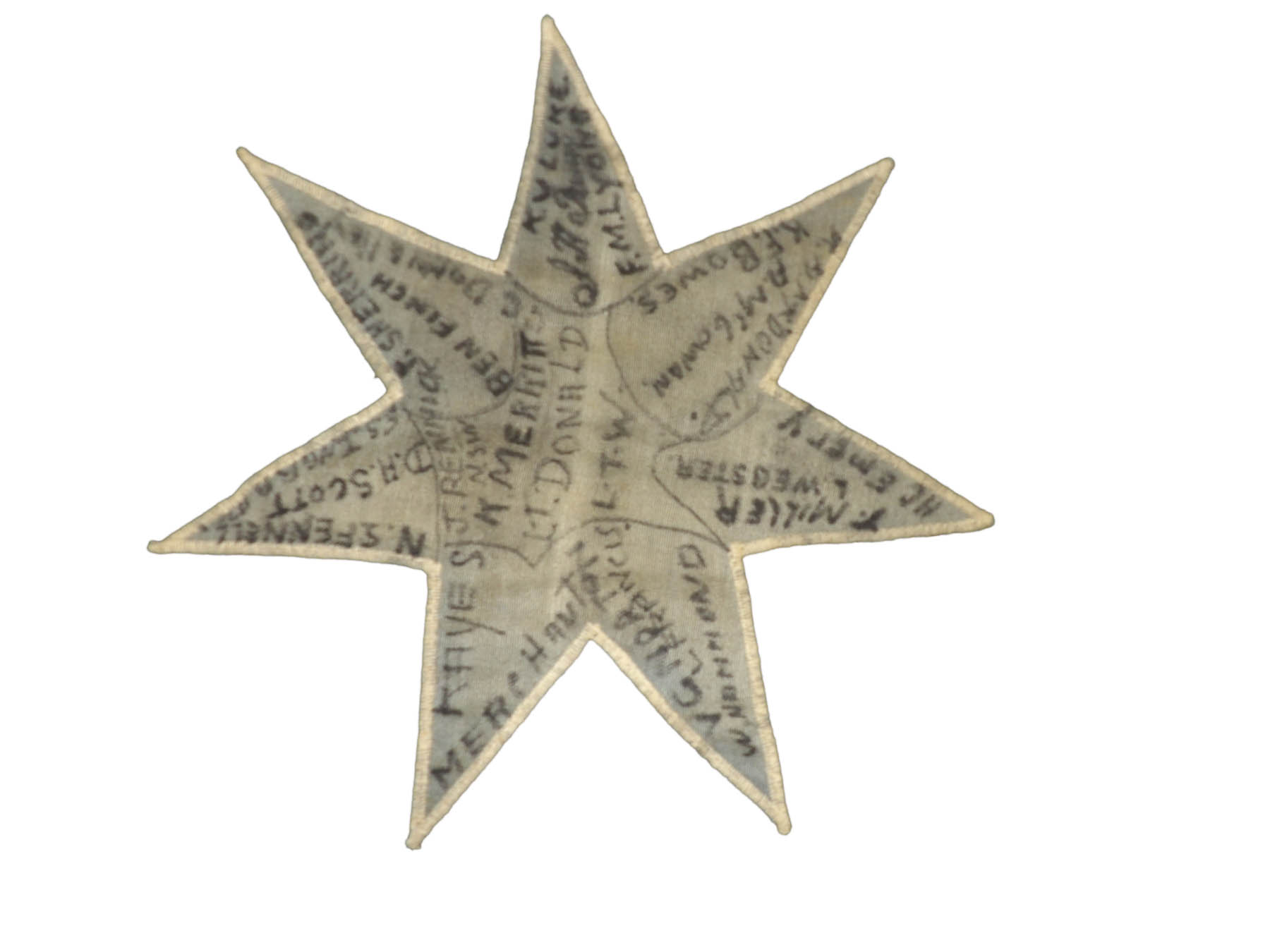
As luck would have it my son, a Senior Chaplain in the Royal Australian Navy, did a lot of research and found the flag was in fact held at the War Memorial, so our family was given a private viewing once they learned of his involvement. The flag had been signed by members of the 2/4th Commando Squadron with dad’s initials in the centre of the Federation Star.
The War Memorial also had an exhibition on the Battle of Tarakan, so I took dad to Canberra to see it and all was well until he noticed a particular photo. It showed two members of C Troop with a sniper’s rifle which really upset him. He knew both men as they were in his section and had taken his rifle to pose for the photo. He told me: “There’s no way you’d be sitting there like that looking for Japanese snipers,” and was adamant the caption be changed.
So an appointment was made with a curator at the War Memorial, who quite rightly wanted to know how dad knew the caption was wrong. She was taken aback when he told her he was there and the rifle was his, and even more so when he produced his order book with the rifle noted, proving the gun was his. The War Memorial was unable to change the caption as it was a propaganda photo, though the curator assured us a note would be made on the back.
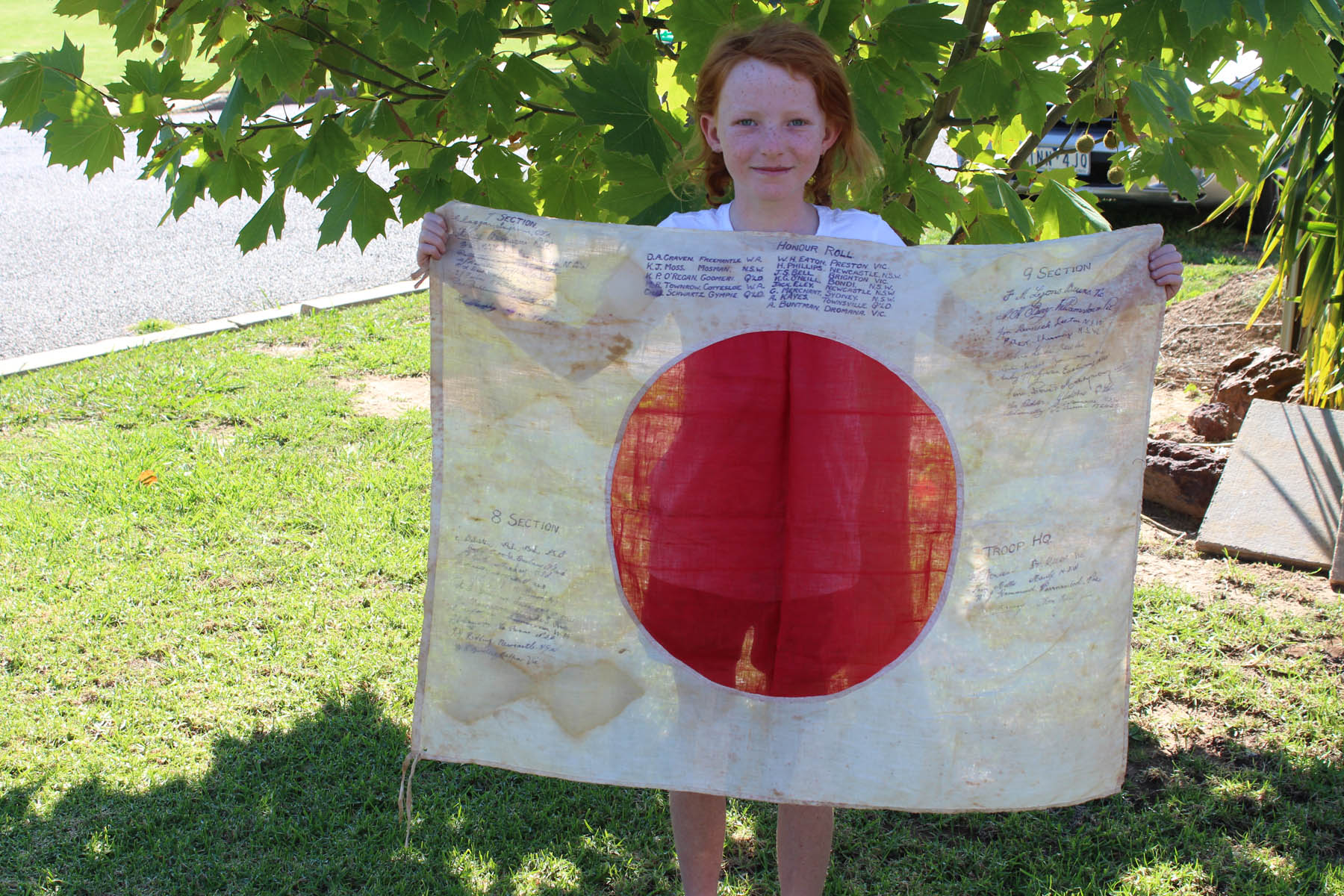
Some years ago I took a phone call from a lady whose father had served with mine in the Commandos. Her dad had passed away and, on sorting through his things, she came across a Japanese flag. She asked if I wanted it as she believed dad was the last surviving member of the 2/4th Commando Squadron.
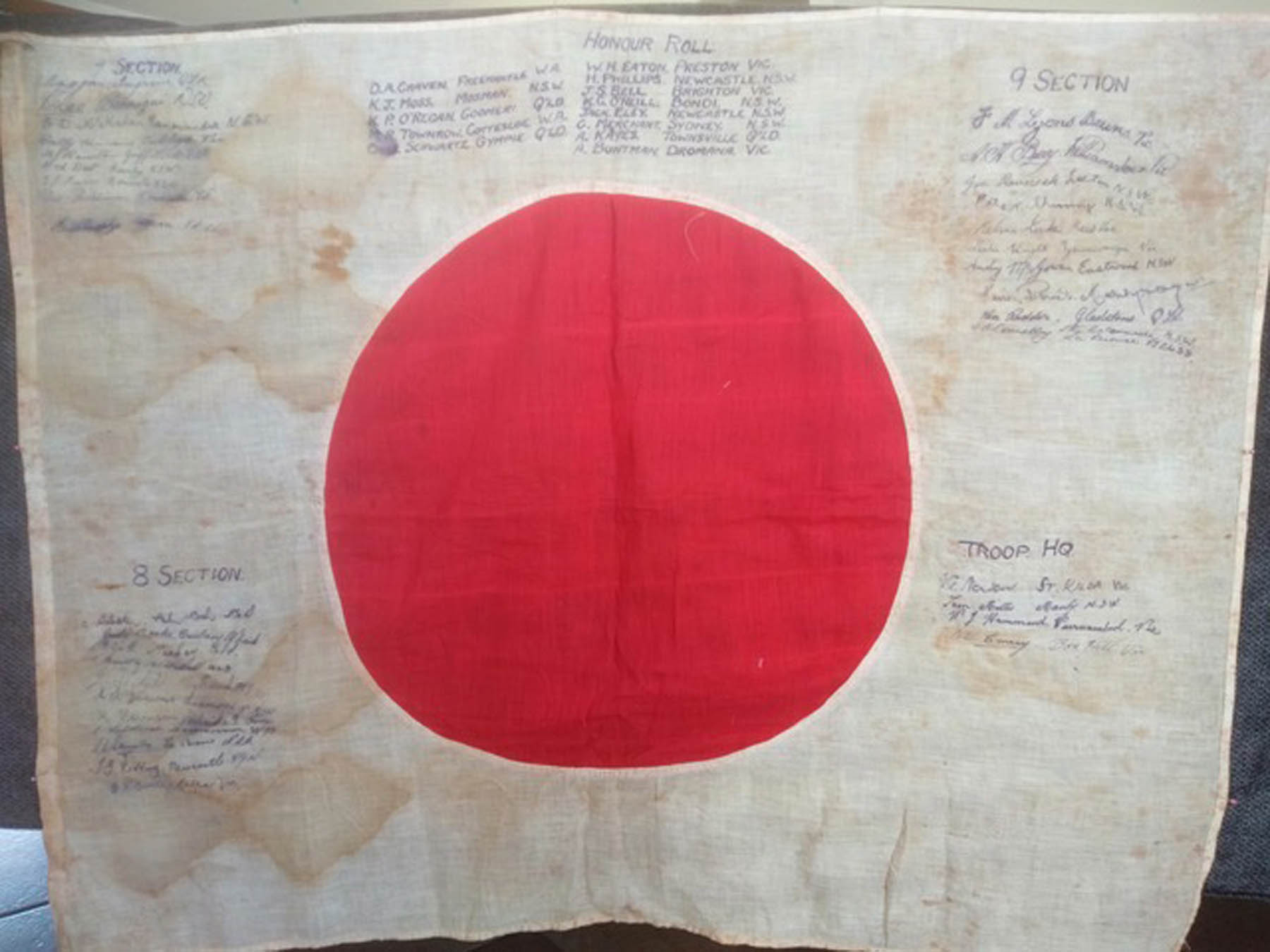
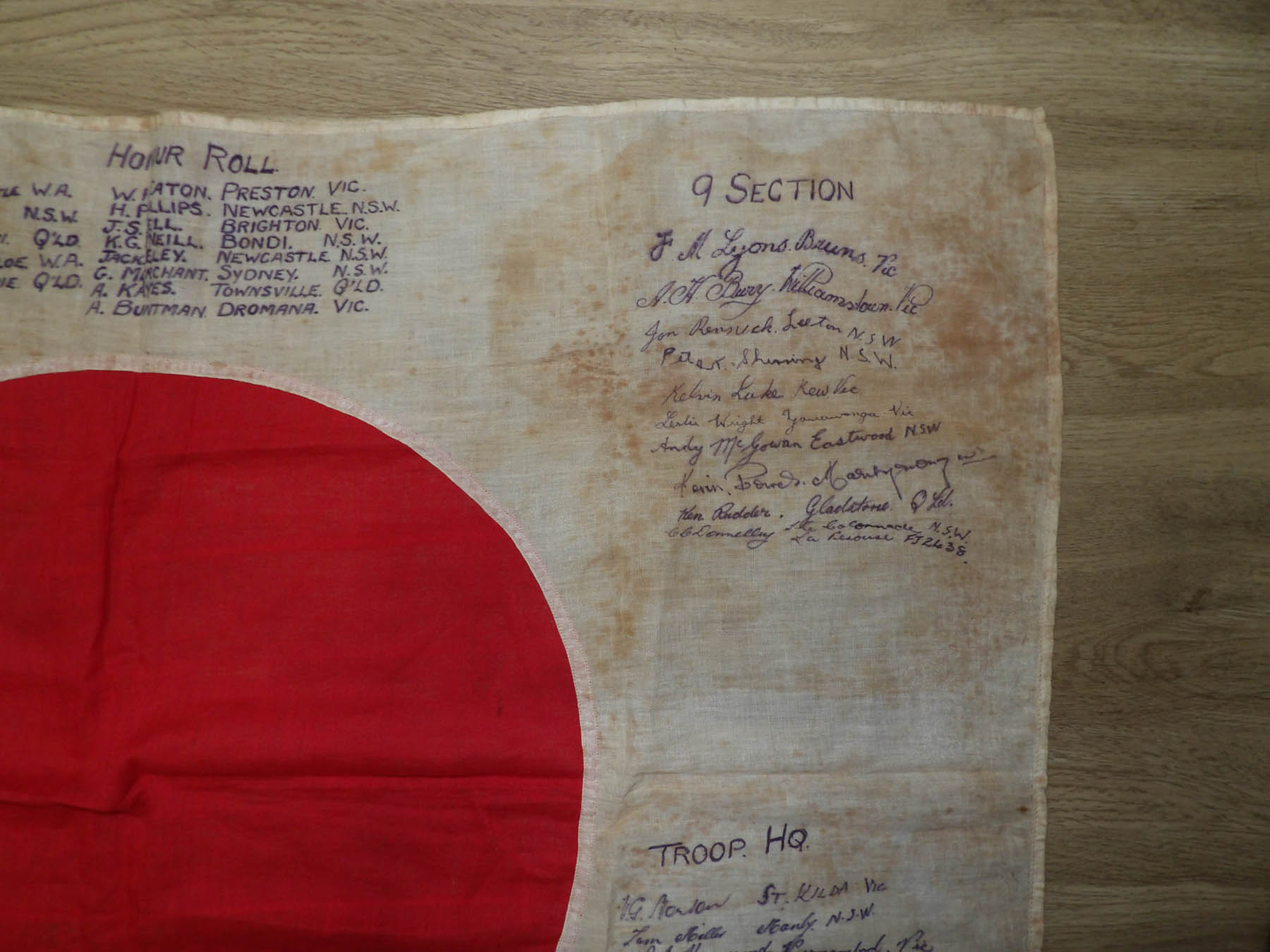
It duly arrived and turned out to be a flag taken during the Battle of Tarakan. Along with other members of the Squadron dad had signed it, with his signature appearing under No.9 Section in the right-hand top corner. I showed it to dad who recognised it immediately and, as he ran his hand over every signature, smiled and said: “That certainly has come a long way.”
Dad died on October 4, 2021 aged 97, a good innings after what he’d been through. What very few people knew was he carried a small photo in his wallet and had done so since the end of the war. It was a tattered picture of him flanked by two mates, George Marchant and Tony Kayes. He survived the war but sadly George and Tony were killed on Tarakan.
On the day of his funeral I rang the undertakers and asked them not to close dad’s coffin until I’d been down. When I arrived I was greeted by the funeral director and told her what I wanted to do and, if it was against regulations, suggested she looked away. Being a small country town, I knew the lady who just smiled and helped me put that photo in his pocket.
I’d just one more thing to do to keep my word, so sent an email to the War Memorial to ask if they’d be interested in acquiring that Japanese flag. Indeed they were but wanted to check its authenticity and the signatures. I sent a number of photos and eventually they asked if I could bring the flag up or even post it, so my wife and I planned a road trip.
She chose to wait in the car as she knew what I intended to ask in return for the flag. With white-gloved hands and camera at the ready, they happily accepted the flag after I’d signed the relevant paperwork. With pleasantries over I said: “Now it’s time for the argument!” “Oh we love an argument,” said one of the curators. I replied: “You have a photo taken during the Tarakan Campaign. My dad said the caption’s wrong and I’d like it changed.”