

Bullet proof!
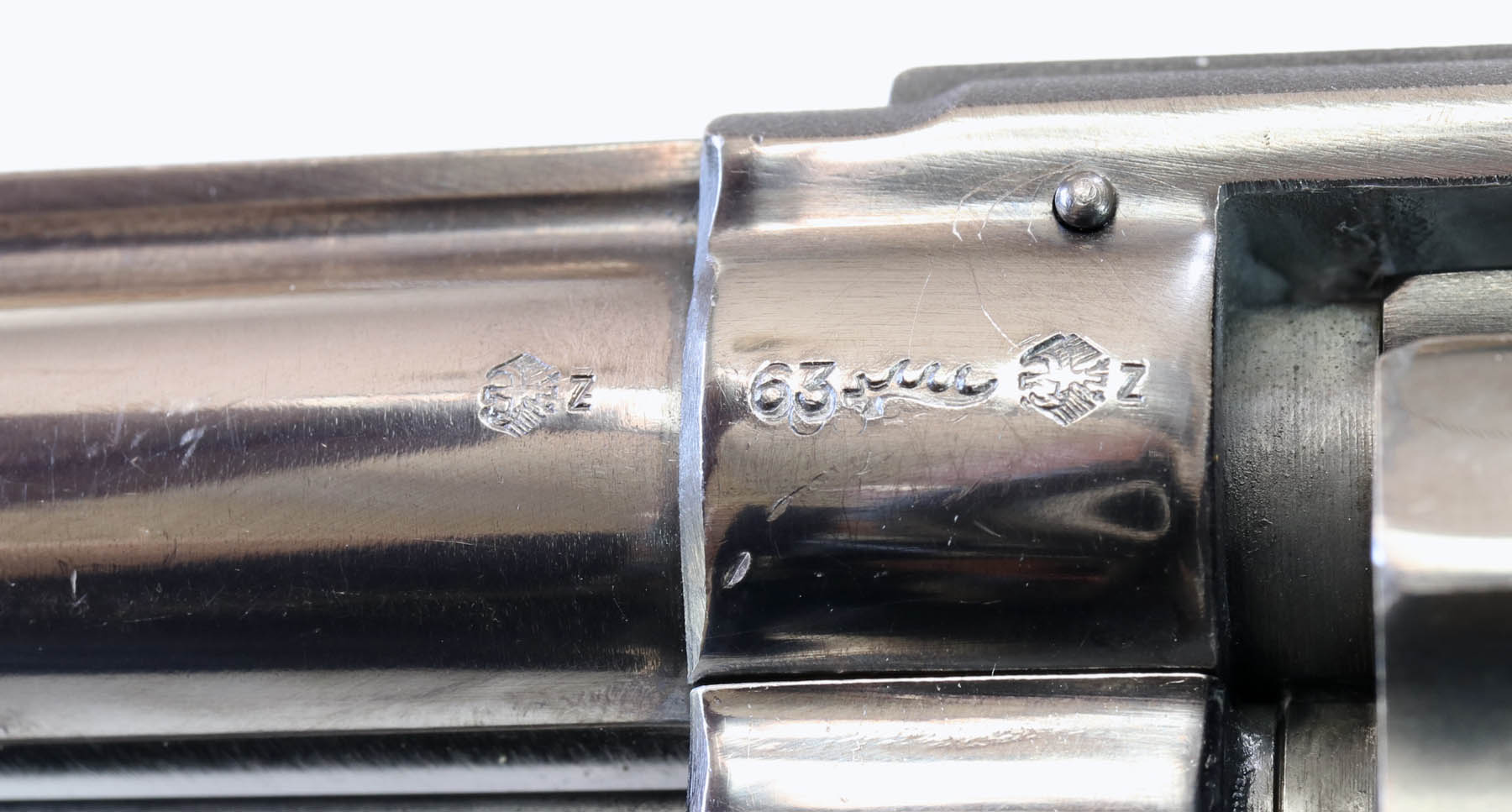
Rod Pascoe on those ‘mysterious’ markings on every firearm
Before articles like this are published they undergo a process of proof-reading. And, as readers flip through its pages, they may relax with an over-proof rum or two. But as Senior Correspondent Rod Pascoe explains, before a firearm earns its proof it must undergo some stressful testing.
All firearms are manufactured to drawings and specifications which set out the materials to be used, the dimensions and performance parameters to be met, therefore ‘proof’ is the process of verifying that these parameters meet the specifications to ensure what we buy and use will be safe and reliable.
Proofing, as is it applies to firearms, involves firing one or more overloaded, high-pressure round of ammunition which may be up to 30 per cent above the industry standard for a given round. These high-pressure proof cartridges are used by firearms manufacturers to test the gun’s structural integrity and if, after testing, no structural faults are found, the barrel or complete firearm is deemed mechanically sound and ready to enter the distribution chain.
In most cases there are two parts to the proofing process. Firstly the barrel is tested as it usually includes the chamber which holds the cartridge and is subject to extreme dynamics. After surviving these stresses, the barrel will be stamped with a proof mark signifying it has passed the testing. The second and more complete test will include the barrel fitted with the action or frame, as the firing of high-pressure proof loads may show up weaknesses in these parts too.
There’s some variation on how the proofing process is carried out depending on where the proofing is done, the type of firearm and its purpose. The military, for example, will perform function proof testing for semi-automatic firearms and machineguns which includes a proof round below the minimum specification to make sure the loading, firing, extraction, ejection and recycling action, especially in gas-operated guns, functions normally.
Apart from withstanding pressure and velocity stresses, all firearms have to function as expected whether they be a break-action shotgun or a bolt-action, lever-action or pump-action rifle, a revolver or more complex self-loading pistol. Again in some military applications, firearms are mounted in aircraft, drones, ships and tanks each with their own (and unique) functional requirements.
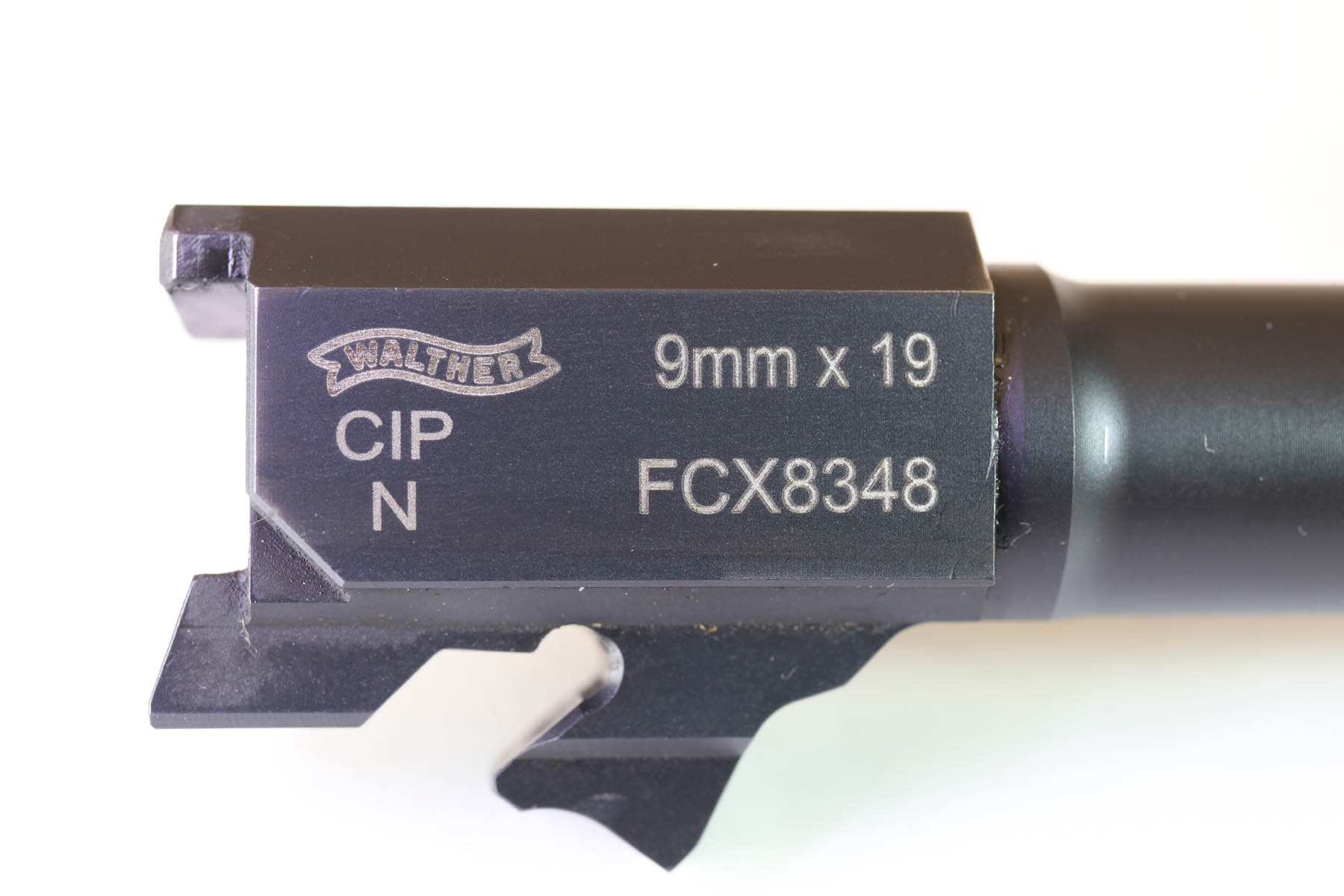
Military firearm proofing is carried out under specifications drawn up by organisations such as NATO, which may not necessarily be recognised by civilian authorities. For civilian purposes, proofing is mandatory for firearms made in most European countries and the UK. The governing body which administers proof of firearms is the International Proof Commission (CIP).
The UK was first to adopt compulsory proofing in the 16th century and now they too are signatories to CIP. In the US where the proofing process is purely voluntary, the Sporting Arms & Ammunition Manufacturers’ Institute (SAAMI) do have specifications similar to the CIP governing sporting firearms and ammunition. However, even though proofing isn’t compulsory, most US manufacturers will still conduct testing with reference ammunition to check firearm function, along with the firing of at least one high-pressure proof round to check structural integrity.
After this process, most companies will apply a mark which is usually their trademark. Because US firearms aren’t subject to the same stringent compulsory testing, firearms made there and exported to any CIP member countries will have to be proofed under CIP guidelines before being offered for sale in that country.
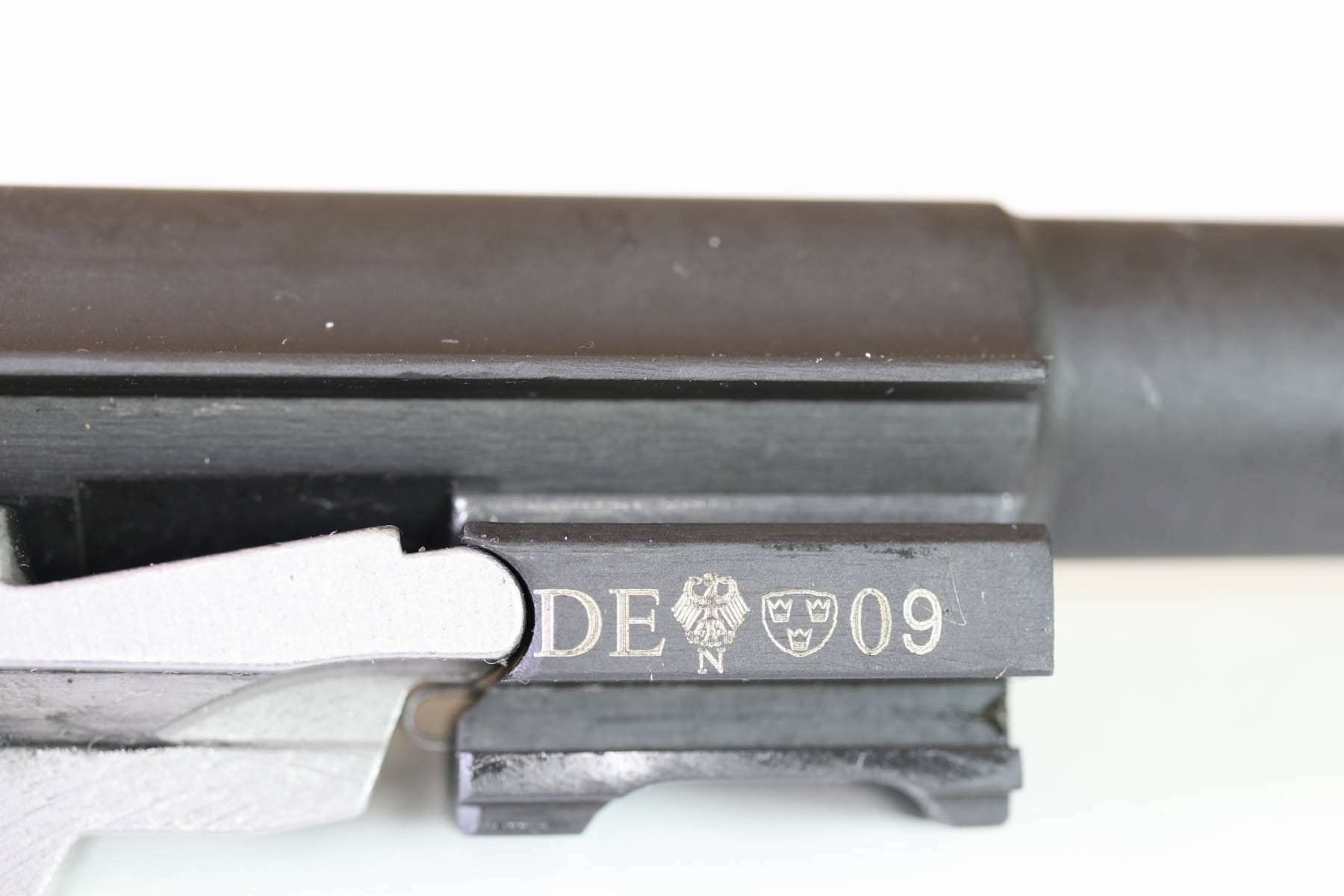
When proofing a complete firearm, the whole gun must be placed in an enclosed fixture and triggered remotely for safety purposes in case of failure during discharge of high-pressure ammunition. Proofing a barrel individually is much simpler, though it too must be tested in an enclosed fixture for safety in the unlikely event of failure. In addition, barrels with quick-change or drop-in capability in different frames are usually proofed individually and are stamped in a conspicuous location as verification they’ve been tested.
Generally, once a firearm has been proofed it’s proofed for the life of the gun, unless major changes have occurred to the parts managing the pressure of a cartridge when fired, for example its barrel and action. A gunsmith restoring or rebuilding a firearm may have occasion to re-proof it, though for the average owner this shouldn’t be of particular concern.
Added to that, proof ammunition is highly regulated and generally available only to those who manufacture or remanufacture firearms. While not dangerous in highly specialised, extremely limited use, prolonged firing of proof ammunition would be harmful to the gun and therefore detrimental to both shooter safety and their firearm.
Scattered around Europe and the UK are a number of ‘Proof Houses’. These date back to the 16th century, when gunmakers in and around London would bring their products to be proofed and stamped to show their wares conformed to safety standards. This came about as gunmakers occasionally produced firearms which had defects or were made from materials of dubious origin that could endanger users. A proof house in Birmingham was established some time later.
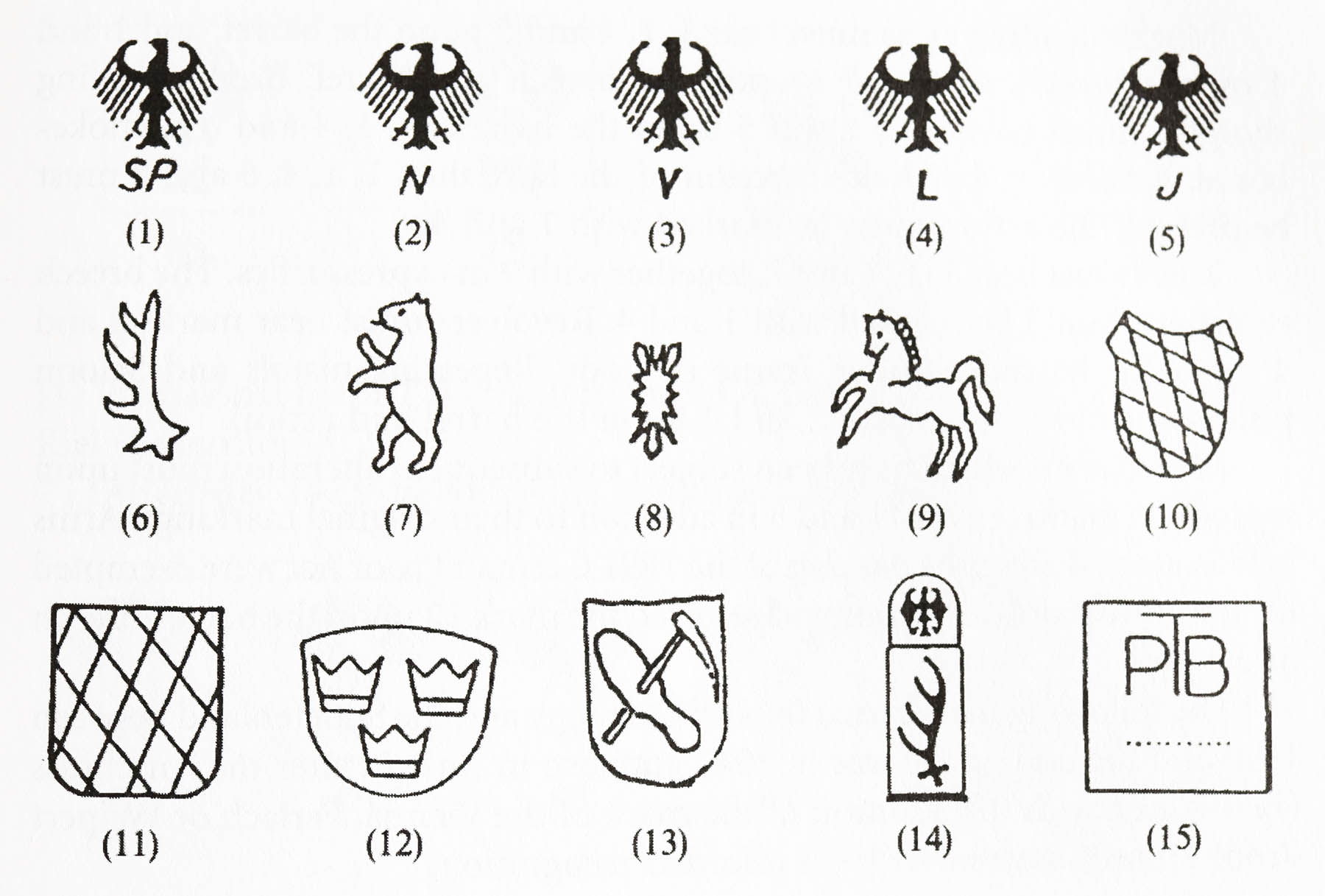
These days, representatives from a proof house will be resident in the larger manufacturing plants and do the proofing there. In Germany, the proof house at Ulm for example has testers scattered among some of the town’s major gun factories including Walther, Anschutz and Krieghoff. Each house has its own identifiable proof mark to signify where the process took place.
Up until now there’s been no mention of accuracy, then the military came up with a procedure for accuracy proofing. These tests evolved during the South African War when long-range accuracy difficulties came to light. It must be remembered in those days most shooting was with the rifle, where battle ranges exceeding 1000 yards were not uncommon.
Yet since the main military infantry weapons today are either semi-automatic or automatic, long-range rifle fire has all but disappeared, as quantity of fire is seen as more useful than single-shot marksmanship. Accuracy testing for the military is a simple and straightforward process, as generally only one type of ammunition will be used in one type of firearm, so a single sample would normally represent consistency across a large number of firearms.
On the other hand commercial testing for accuracy isn’t so straightforward, as ammunition manufacturers may produce a range of different brands and types of any given calibre, which may be fired in a multitude of firearms from numerous manufacturers. This is something for those who reload their own ammunition to think about, which we’ll address in a future article.