


Don Caswell on why it pays off to do your hunting homework
It’s true. Your teacher was right after all. Homework does pay off. That applies to most aspects of our lives, but none more so than in hunting. When I was starting out as a hunter, I expected to shoot my quarry every time I set foot in the bush. Most times that never happened and left me a bit dejected. In time though, I gained an appreciation of the need to do my hunting homework and, more importantly, learned to enjoy that exercise. Pity I never realised that while I was still in school. My hunting focus shifted from what I had shot on my outing to what I had learned. And there is always something to be learned from a walk in the bush. Most times it may be subtle little additions to the knowledge bank, sometimes it’s a real gem. Even discovering that your quarry was not where and when you expected it to be is useful knowledge that points you in new directions.
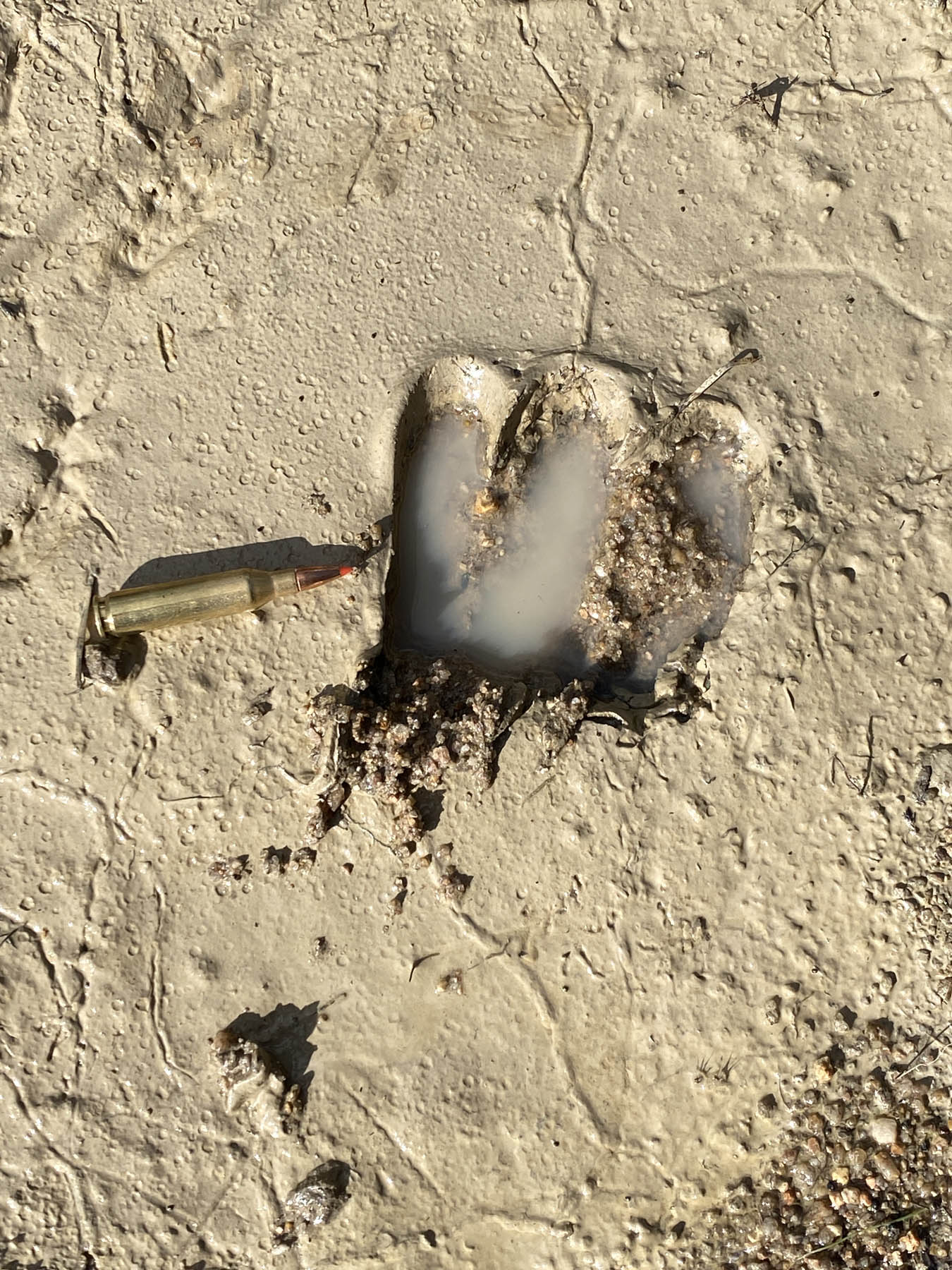
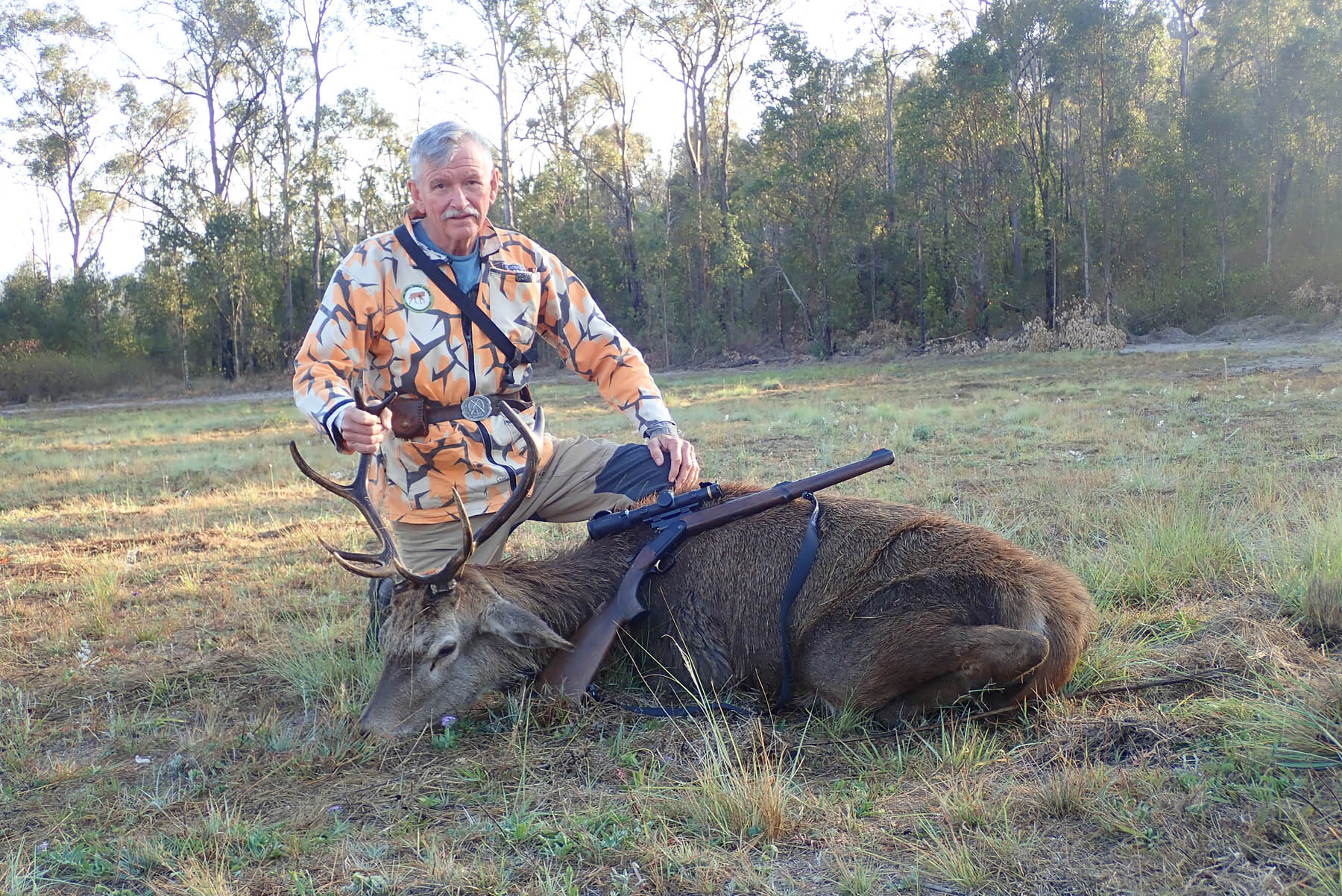
So, what exactly is hunting homework and why bother? If you are a self-guided hunter, spending plenty of time in the bush looking for animal sign and deducing the coming and goings of your prey will greatly increase your chances of success. Some of my mates actively hunt the red deer roar in April every year. Between times, they do a lot of bushwalking on and around their hunting grounds. They are particularly interested in bagging a big stag each roar and a basis of that success is knowing what stags are out there and where they live outside the roar. That sort of homework lets them decide just which location they will hunt in the coming roar and what is likely to be the best stag available.
My interest is mainly in being able to source a constant supply of venison and shooting any pests I encounter in the process. The country I hunt holds deer, dogs and pigs but they are not thick on the ground. You must work hard, and be a bit lucky, to even glimpse these animals, let alone get a shot off. On 9 out of 10 trips I do not have a shooting opportunity. Many times, there are no fresh tracks and the trail cameras show nothing. The movements of game are seasonal and then subject to change from human activity. With perseverance, you can begin to develop a feeling of what to expect around weather conditions at different times of the year. Your odds of success improve, and you begin to spot game more frequently. In time, you begin to bring home the venison.
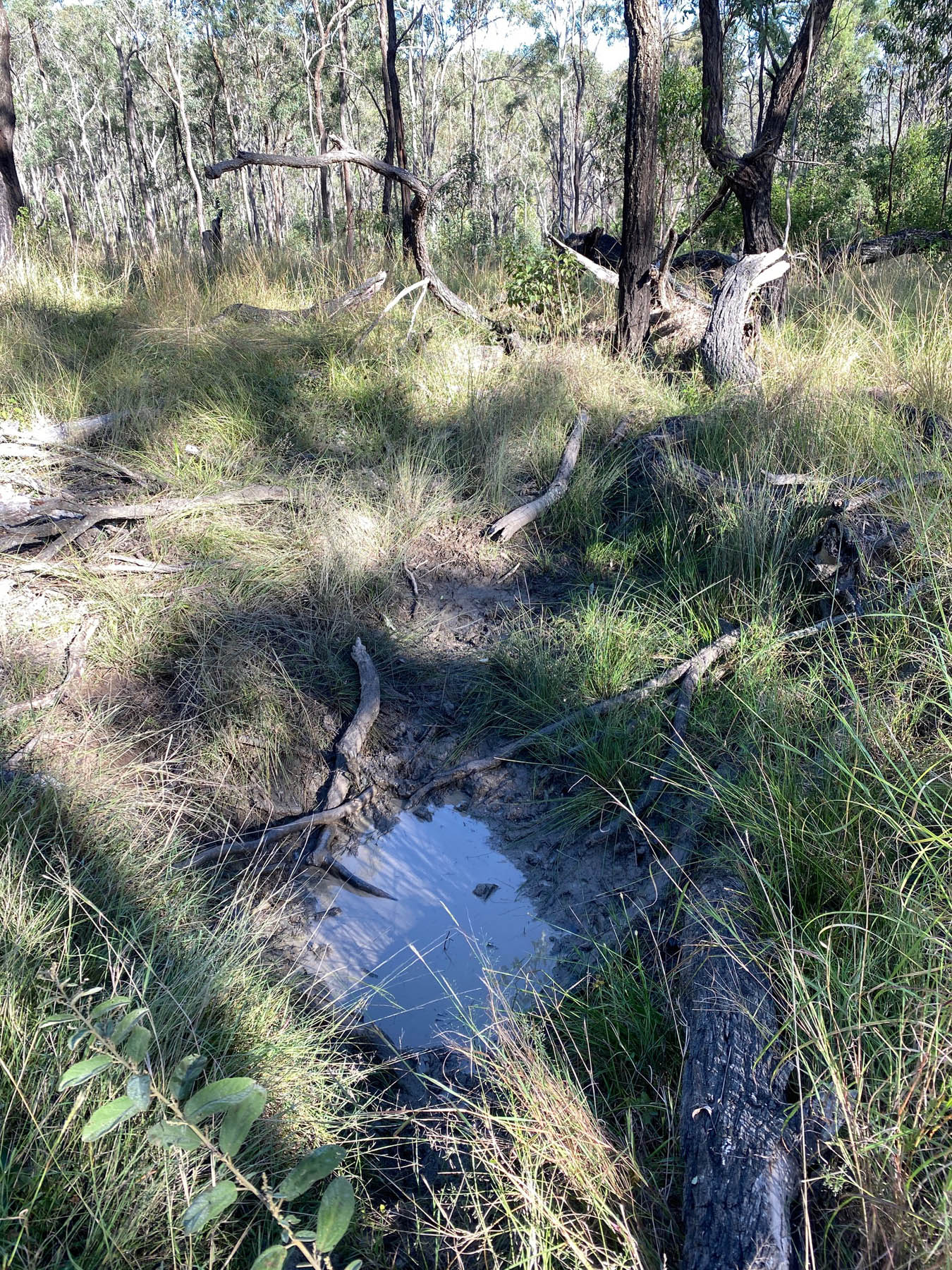
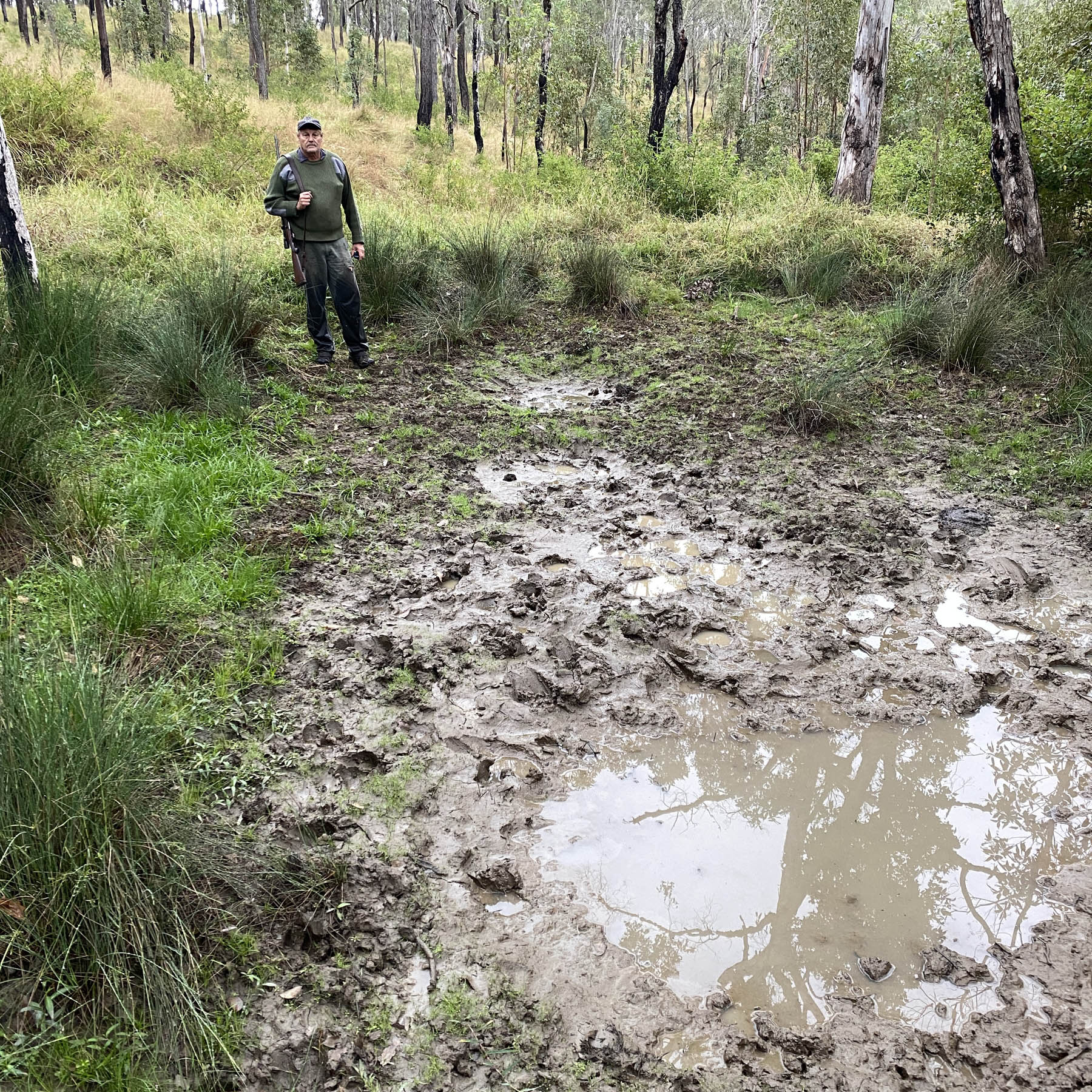
If you intend to find your game by walking about, then there are a few vital considerations. The prevailing breeze is crucial and you must walk into, or at least across, the wind. Deer, dogs and pigs have amazing scent detection abilities. Walk with the breeze behind you and your quarry will detect you and disappear long before you reach them. As much as your planned route is based on an intended direction, if the wind changes so must your path. This is particularly so in hilly, ridge country. Even with a prevailing breeze, the terrain will cause eddies in wind flow that can swing the breeze right around in pockets of terrain. Tack into the breeze when it changes. Your intended checkpoints along the planned route need not change but you may have to zig-zag or circle to reach them. Obviously, approach likely contact points slowly and with exaggerated care. Use your binoculars to scour your spot and the surrounds. Chances of success are much greater if you can spot game before it detects you. Likely contact points are patches of attractive feed and wallows, places where your quarry will pause awhile.
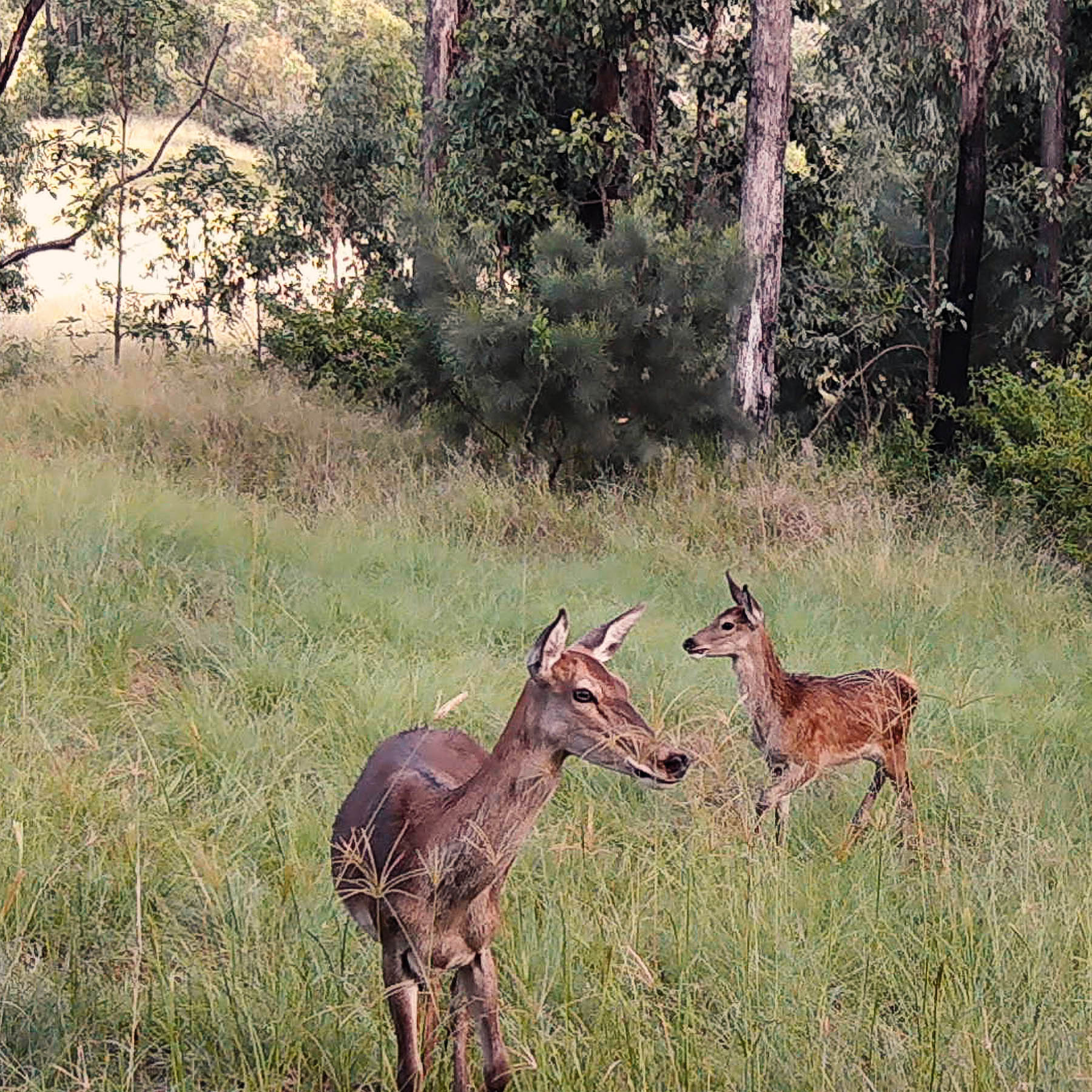
Such spots are worth spending some time at. While there may not have been any game there on your arrival, there might be soon after. This is where trail cameras are worth their weight in gold. They can tell you what animals to expect and when they are likely to appear. I know many hunters feel the need to keep moving and cannot sit still overlooking promising spots. But it is a skill worth developing and has been rewarding for me. Still, I also do a lot of walking. My goal is to find well-used game trails. I initially put my trail cameras on such trails with the goal of seeing what is using them. Once I know the times and direction of predominant travel, I follow the trails. Generally, there will be a patch of good feed, a water source, rub trees, a salt lick or a wallow at the end. Other well-used trails will be found radiating away from such a spot.
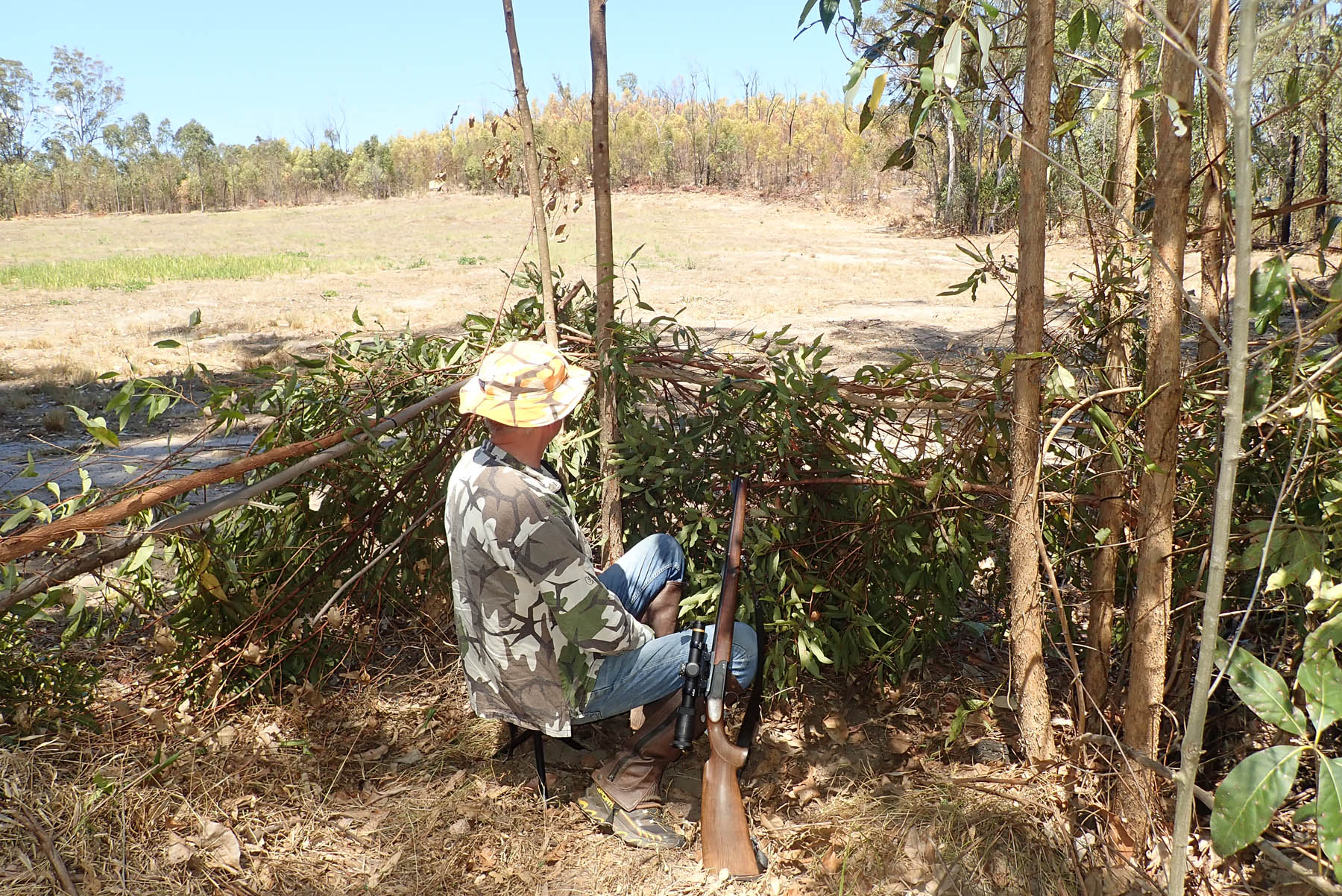
Once I have found attractive locations, I set up bushwhacking positions. These are just simple hides made from saplings and branches, placed with consideration of the wind at the time of the day I intend hunting there. Where possible, I site these overlooking a well-used game trail leading to the attractive spot, rather than right at the location itself. Too much hunting pressure right at the location may make all the users seek safer alternatives. However, with multiple trails leading to that spot, you can target the different groups as they approach without cruelling the prime attraction.
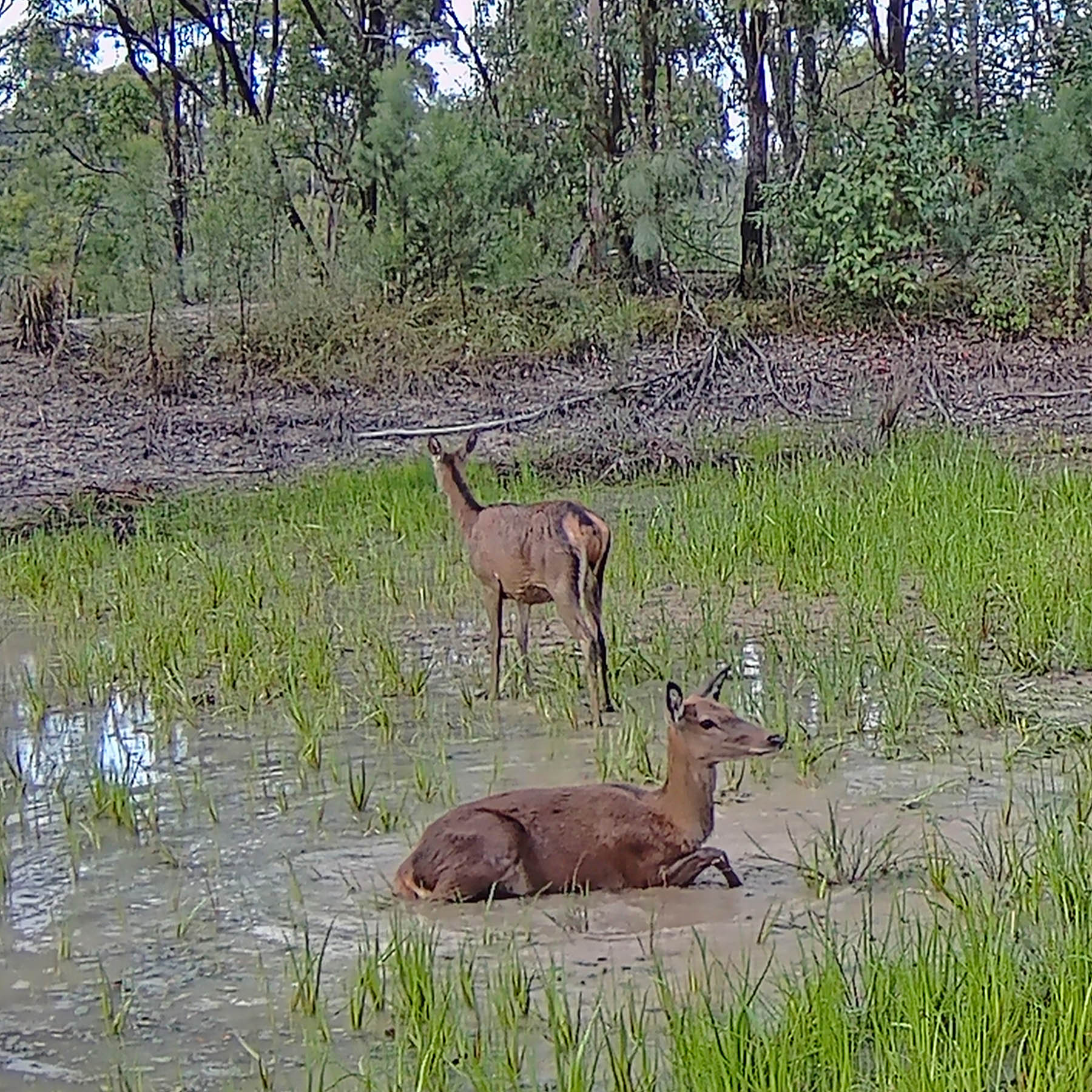
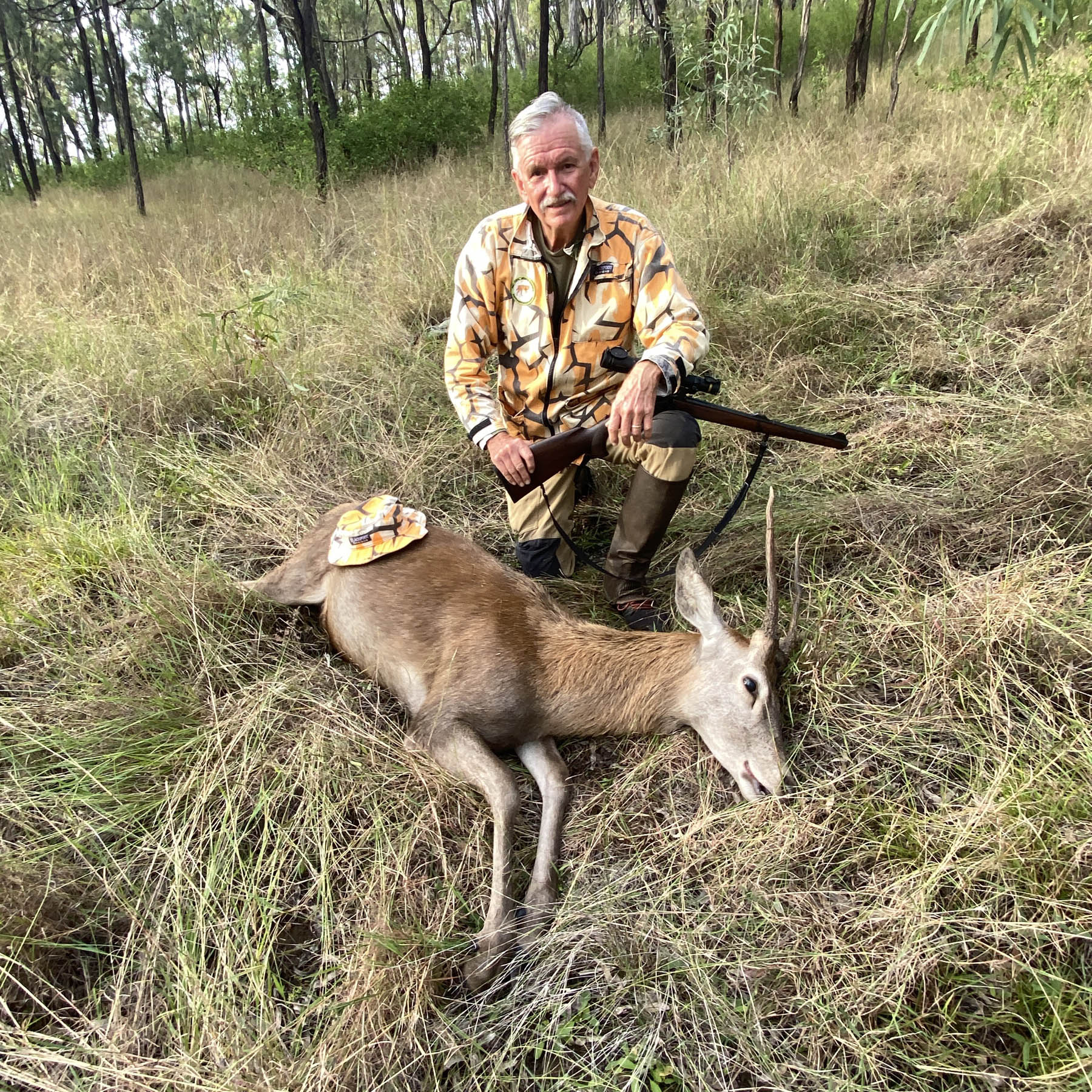
I have a daisy chain of attractive locations I constantly check. When they are popular with the game it can be surprising how much visitation they enjoy, for a while. After being highly attractive, conditions can change, and the animals will move on to other locations. You need to keep your finger on the pulse and monitor what are the current attractors, constantly looking for newly developing spots. Red deer stags wallow as part of their mating season rituals. Most of these wallows immediately fall into disuse as soon as the roar finishes. But deer like to wallow all year round, seeking comfort from the heat, relief from biting insects and soothing for skin irritations. The hunters’ job is to find the year-round wallows. Likewise, small patches of attractive grazing, or browsing, can reliably draw deer for a while, until they find something better. I target spikers and yearling hinds for venison. One of my most productive spots is about an acre in size. Deer of all sorts pass through there and pause to graze for 10 minutes or so on their route to other spots. Every year I shoot half a dozen spikers, or the odd young hind, off that patch. Occasionally, in the absence of the yearlings, I will harvest a 3-4-year-old stag. There are many deer highways leading to this spot and, within a few hundred metres, I have picked numerous spikers off the hillside trails leading to that patch.
Be prepared for ‘droughts’. There will be periods, sometimes of many months, where none of the hot spots are hosting and signs of game activity are sparse. This is when you need to grind away at doing your homework. Don’t become despondent. Focus on developing some new territory to explore but keep on eye on the home patch between times too. Circumstances can change significantly in just a few days, and you do not want to miss it.