

We live and learn!
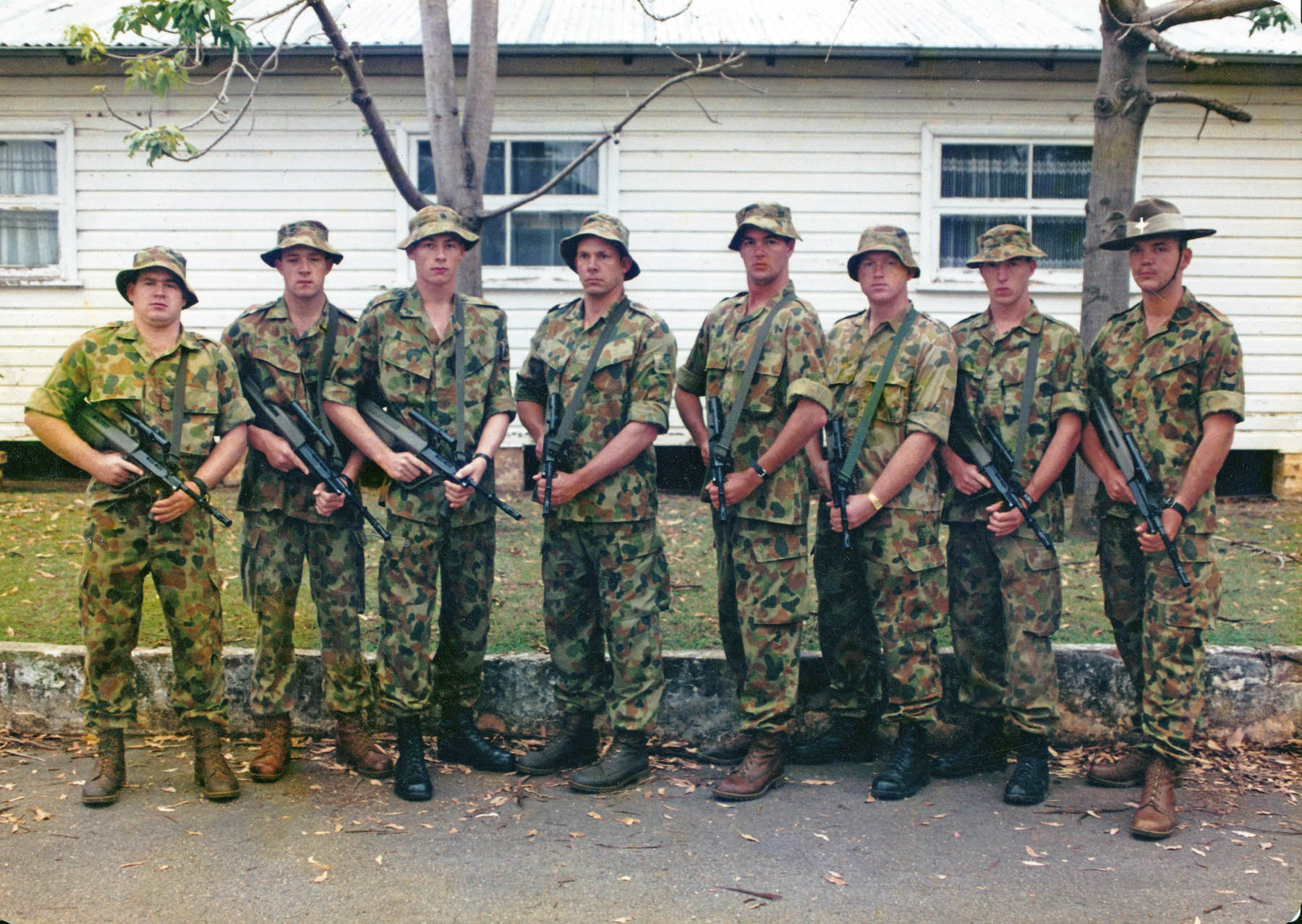
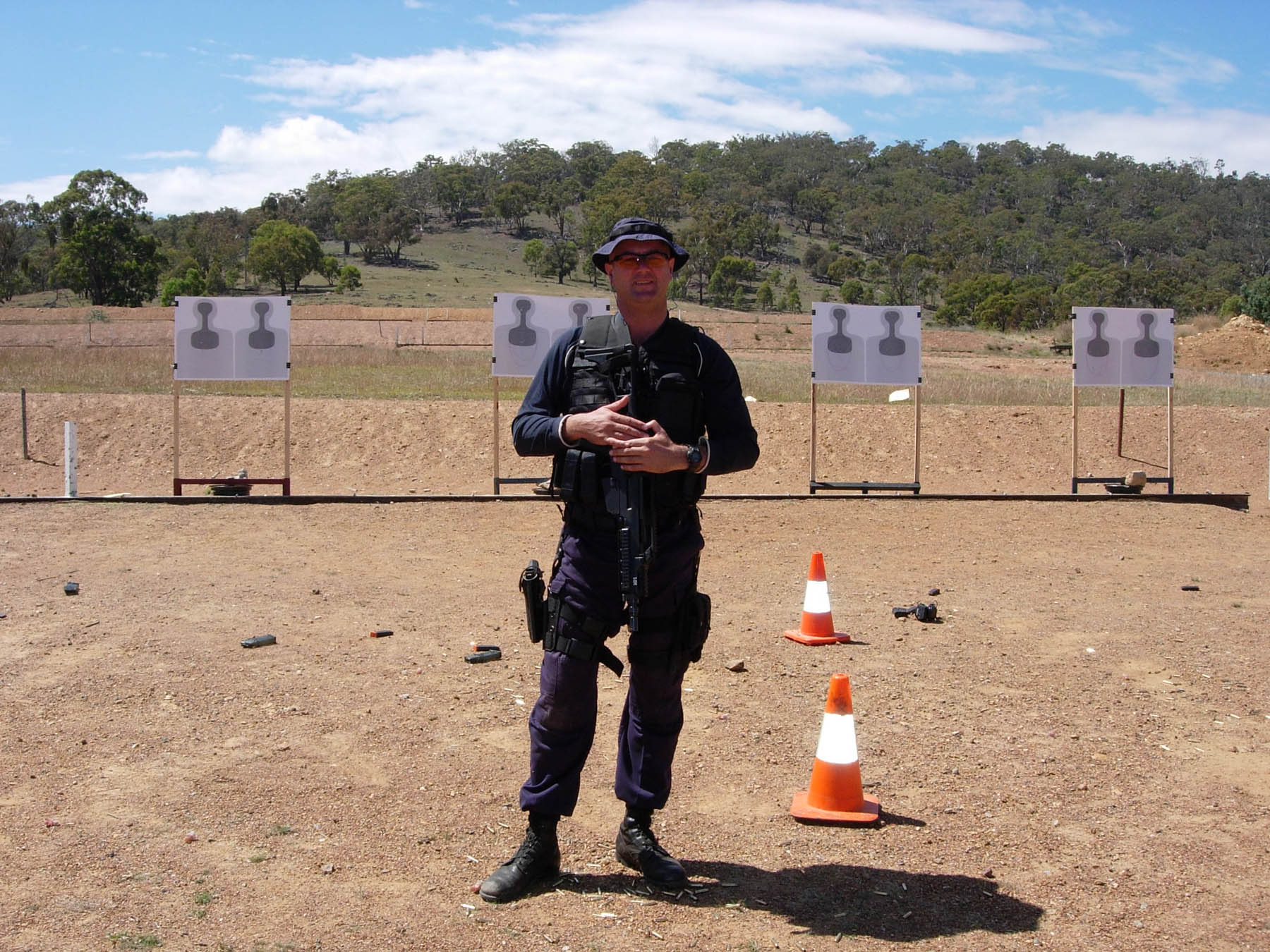
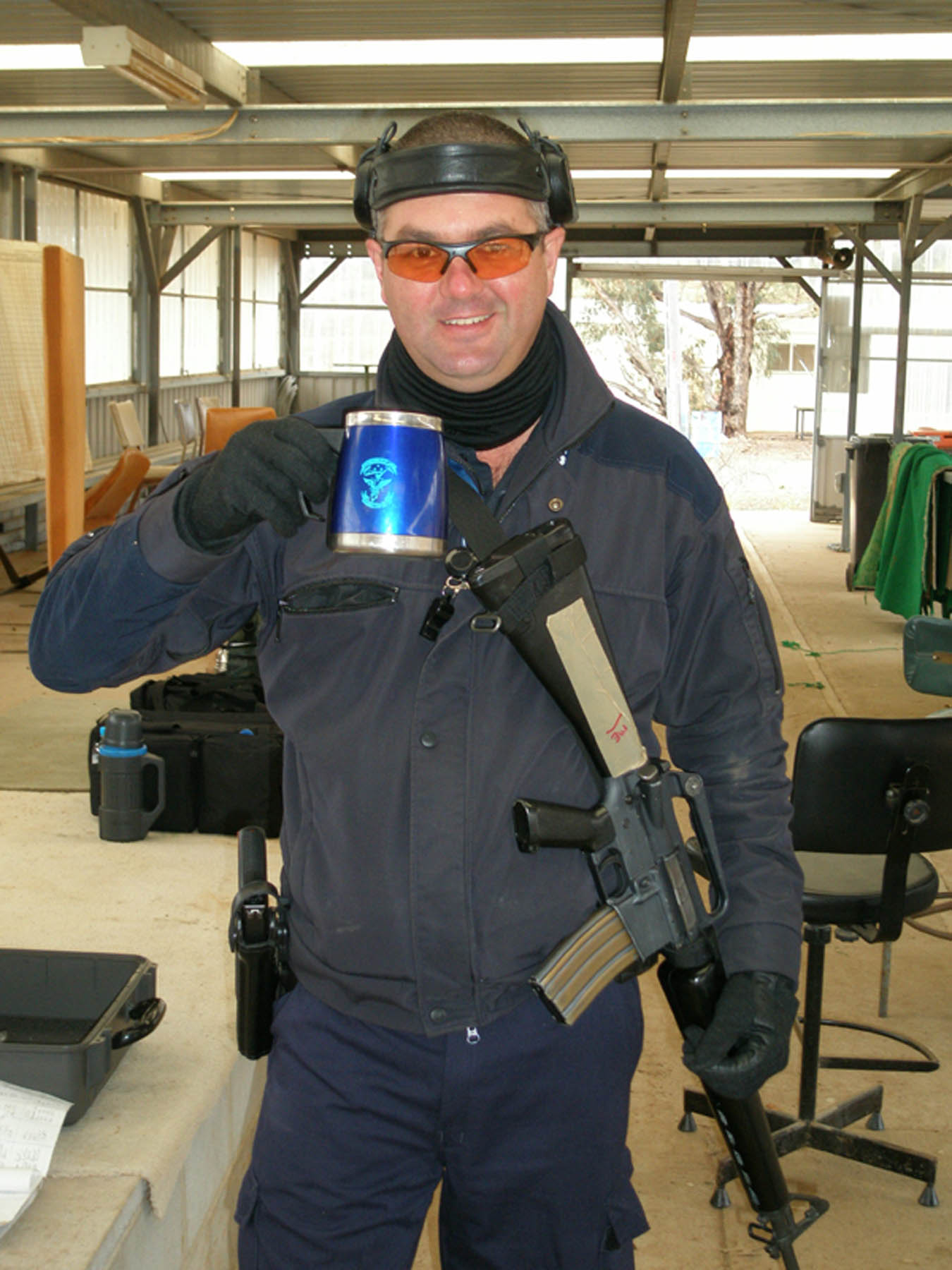
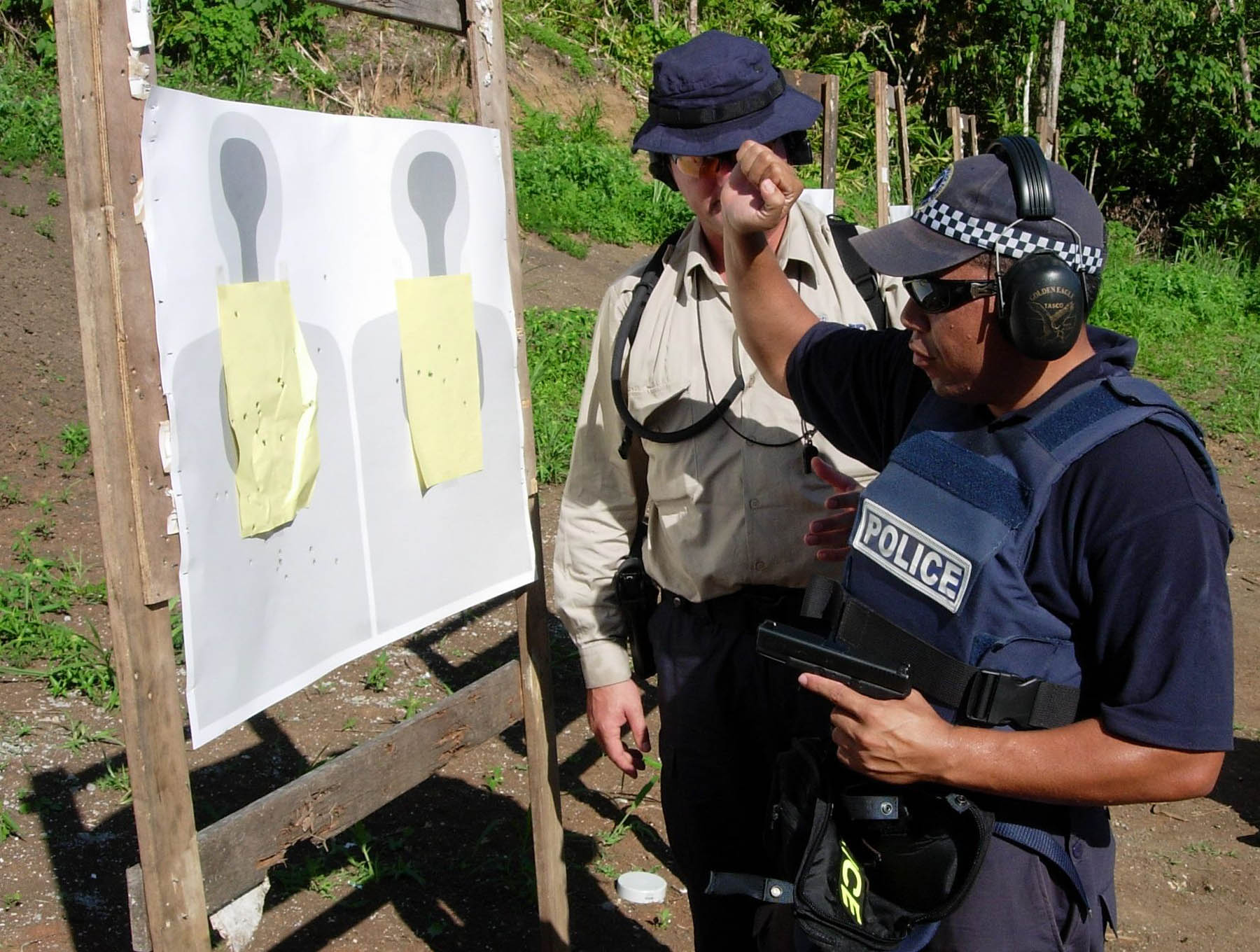
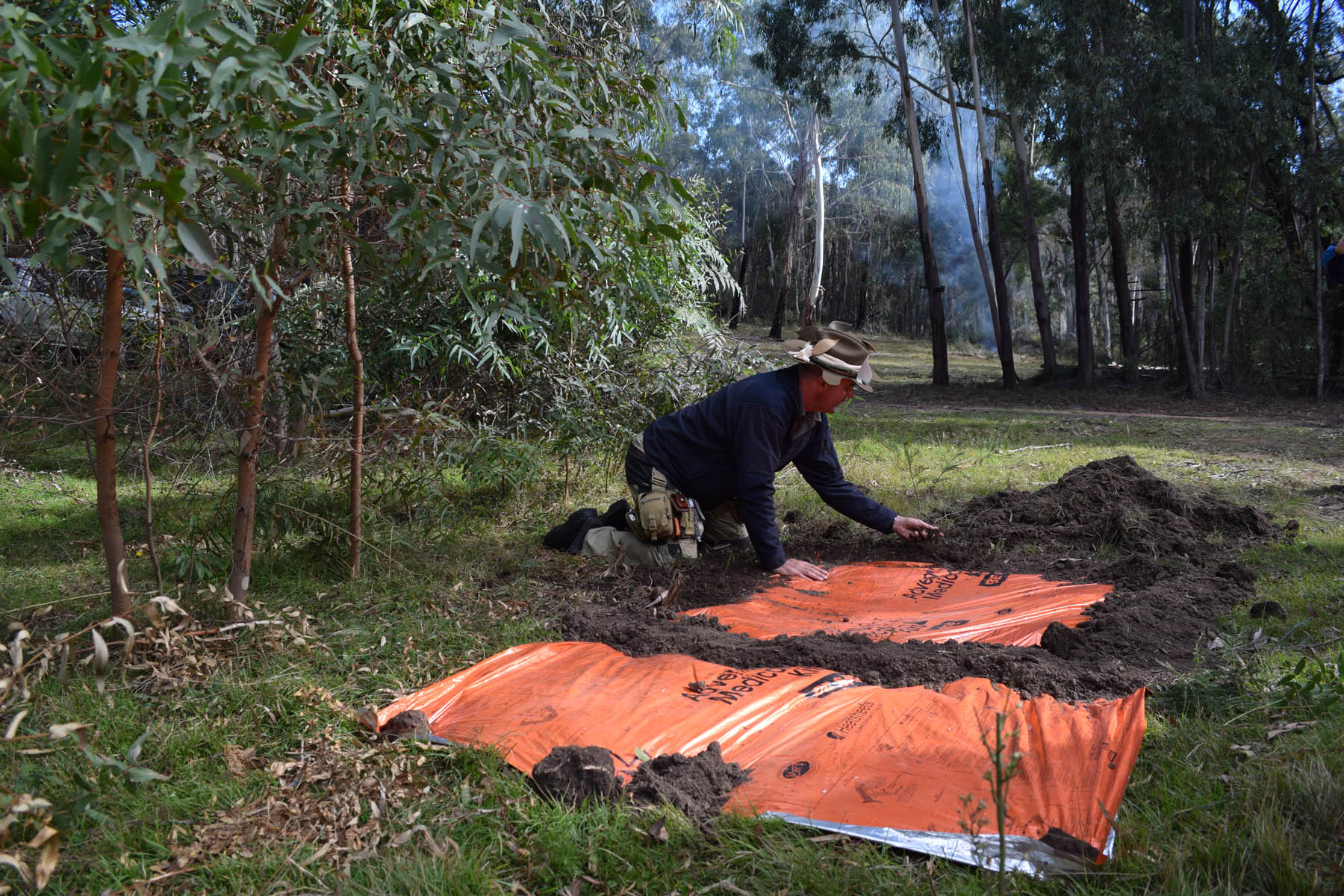
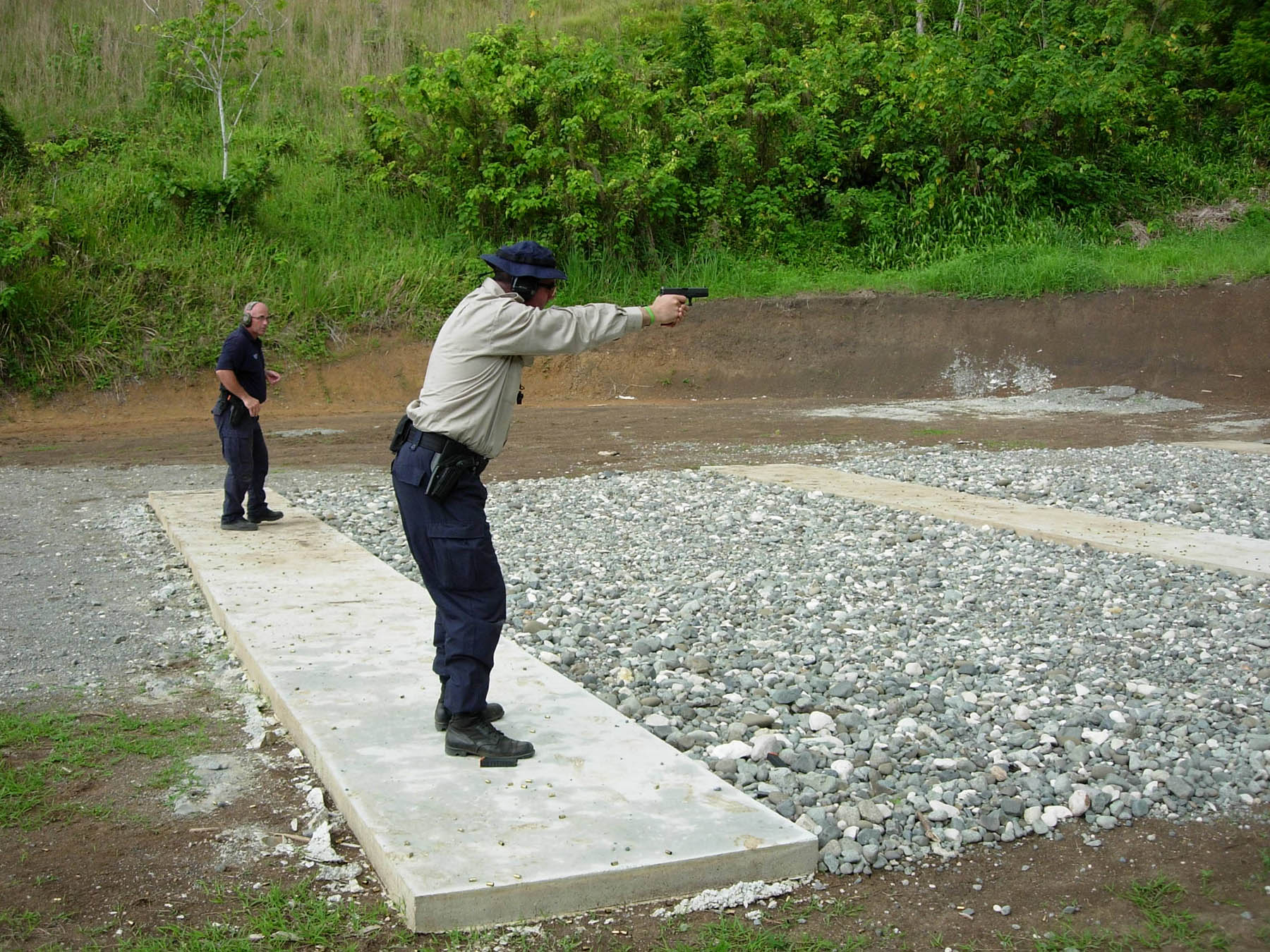
As survial and firearms experience goes, Australian Shooter columnist Scott Heiman can boast more than his fair share. With 32 years military service followed by a spell as an AFP firearms instructor, his qualifications to speak on bush survival would be close to unrivalled in this country. We fired a few questions at Scott, a cancer survivor, who’s answers are as entertaining as they are enlightening.
How did you become a shooter?
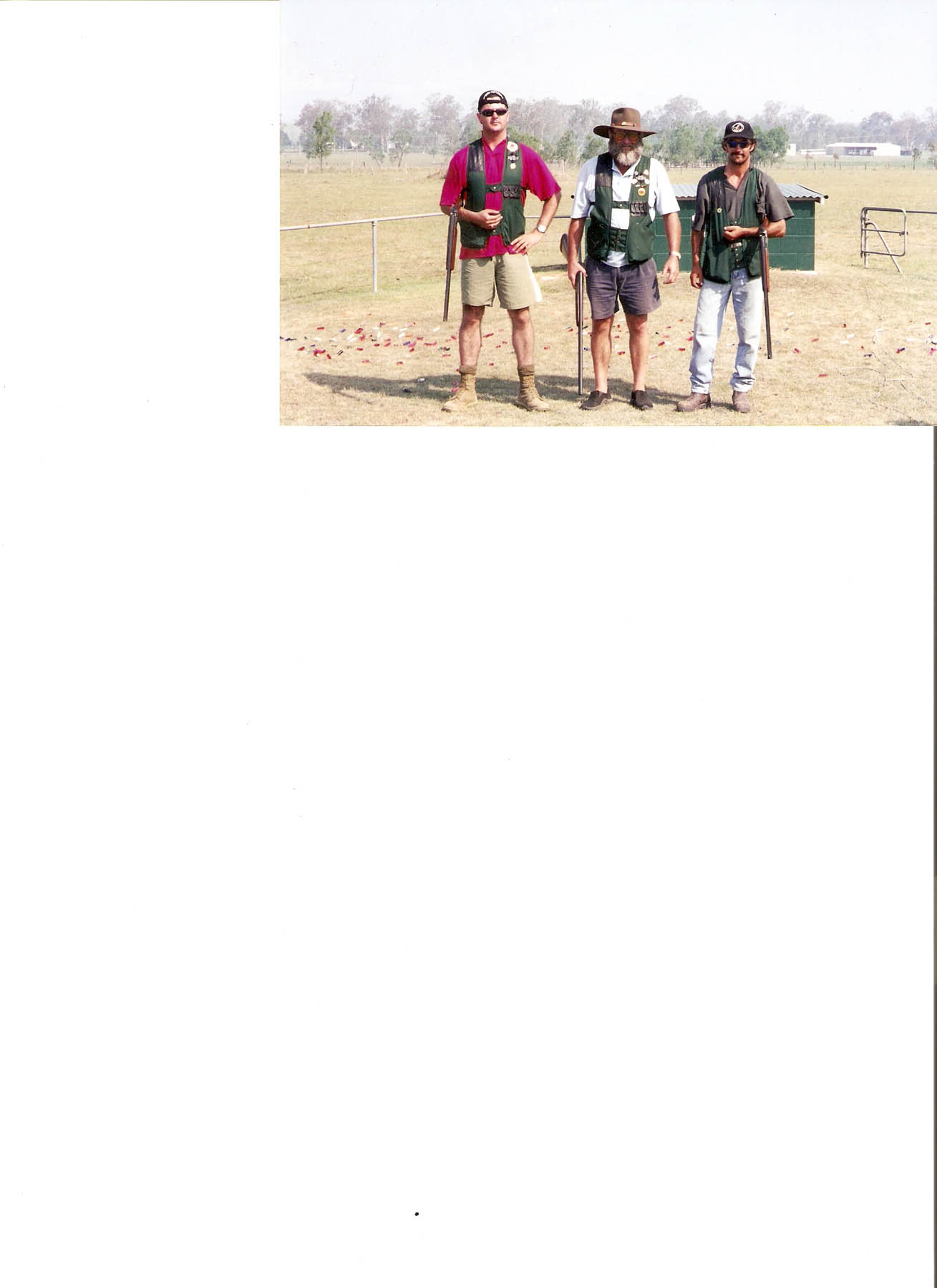
I was born into it. My dad was a hunter and on the NSW Government call-list for eradication of diseased animals back in the 1970s and ’80s. My grandfather was also a hunter who served on the Rural Protection Board. They were both strong competitors with the double barrel 12-gauge shotgun at the traps, taking out back-to-back regional titles in the 1950s and ’70s.
How would you describe your niche field?
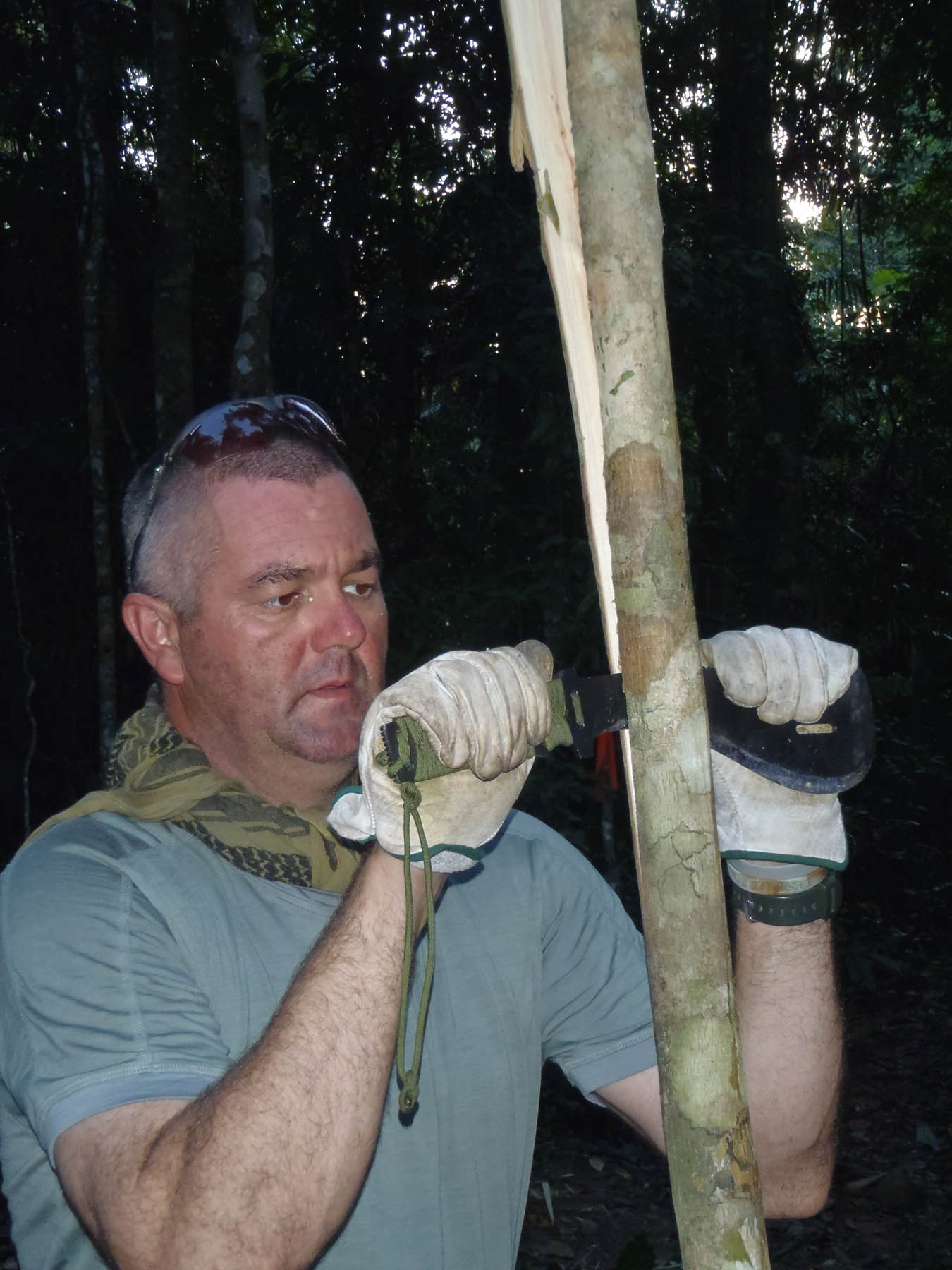
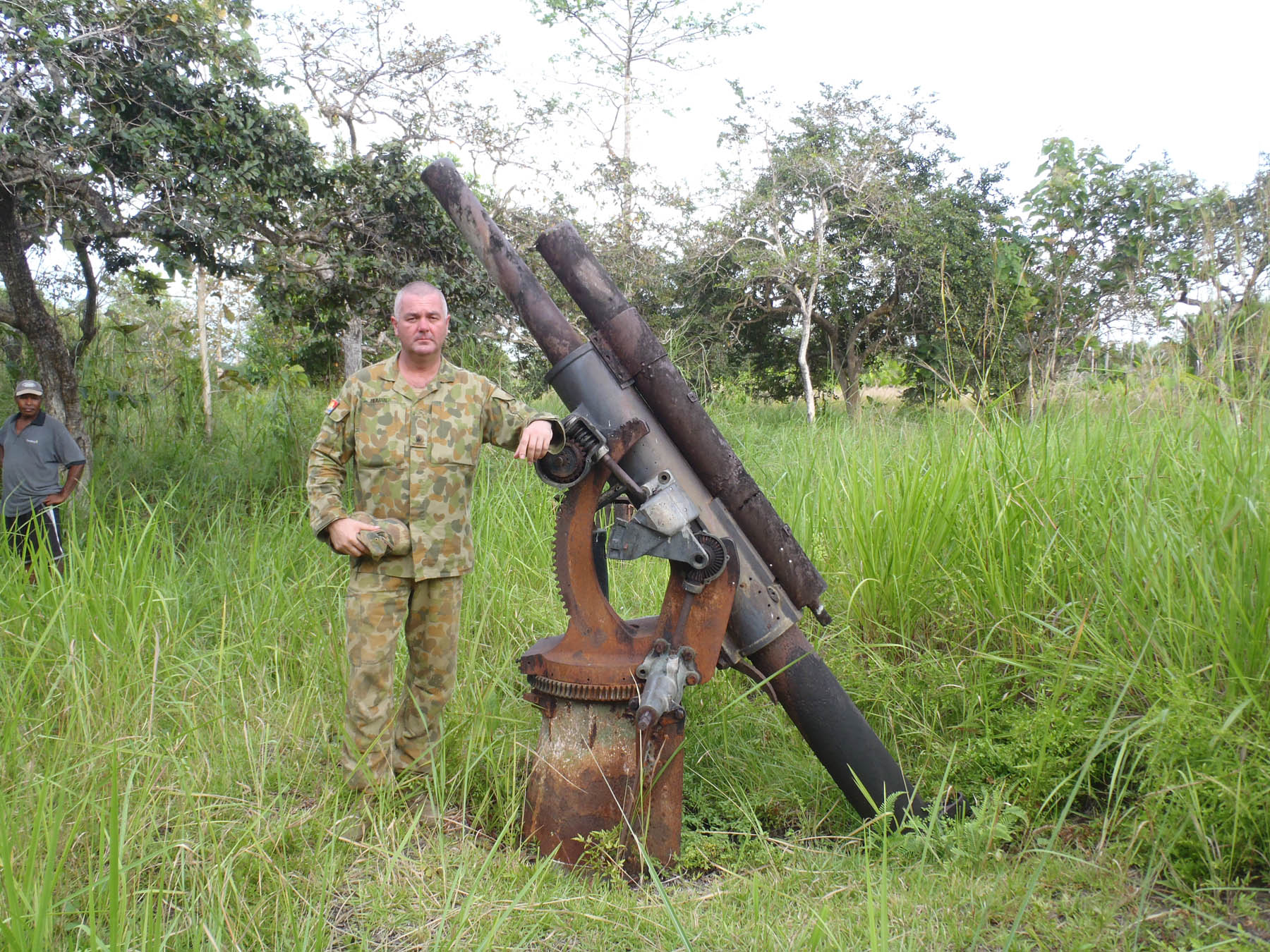
Survival. I served in the Royal Australian Infantry for 32 years, spent a few more years as the lead firearms instructor for the Australian Federal Police’s International Deployment Group and have completed three different military survival courses. It’s these sorts of experiences which generated the ‘what if’ mindset I live by. That is, I always consider what could go wrong and how best to prepare for it. My motto is ‘plan for the worst and hope for the best’ and as the saying goes: ‘Prior preparation prevents piss-poor performance’.
Challenges you face as a survival instructor?
There are a few, for example I’m often faced with a ‘she’ll be right’ mentality from people I meet and many overestimate their abilities. There can also be a tendency, in the absence of skills and knowledge, to rely on habits which can often be bad ones that place people at risk. Take swimming for example. We’re warned to ‘fence the pool, shut the gate, teach your kids to swim it’s great’. Yet statistically it’s not kids who face the biggest danger in the water, its middle to late-aged males who get themselves into trouble in rivers and dams.
How did you get into ‘survival’?
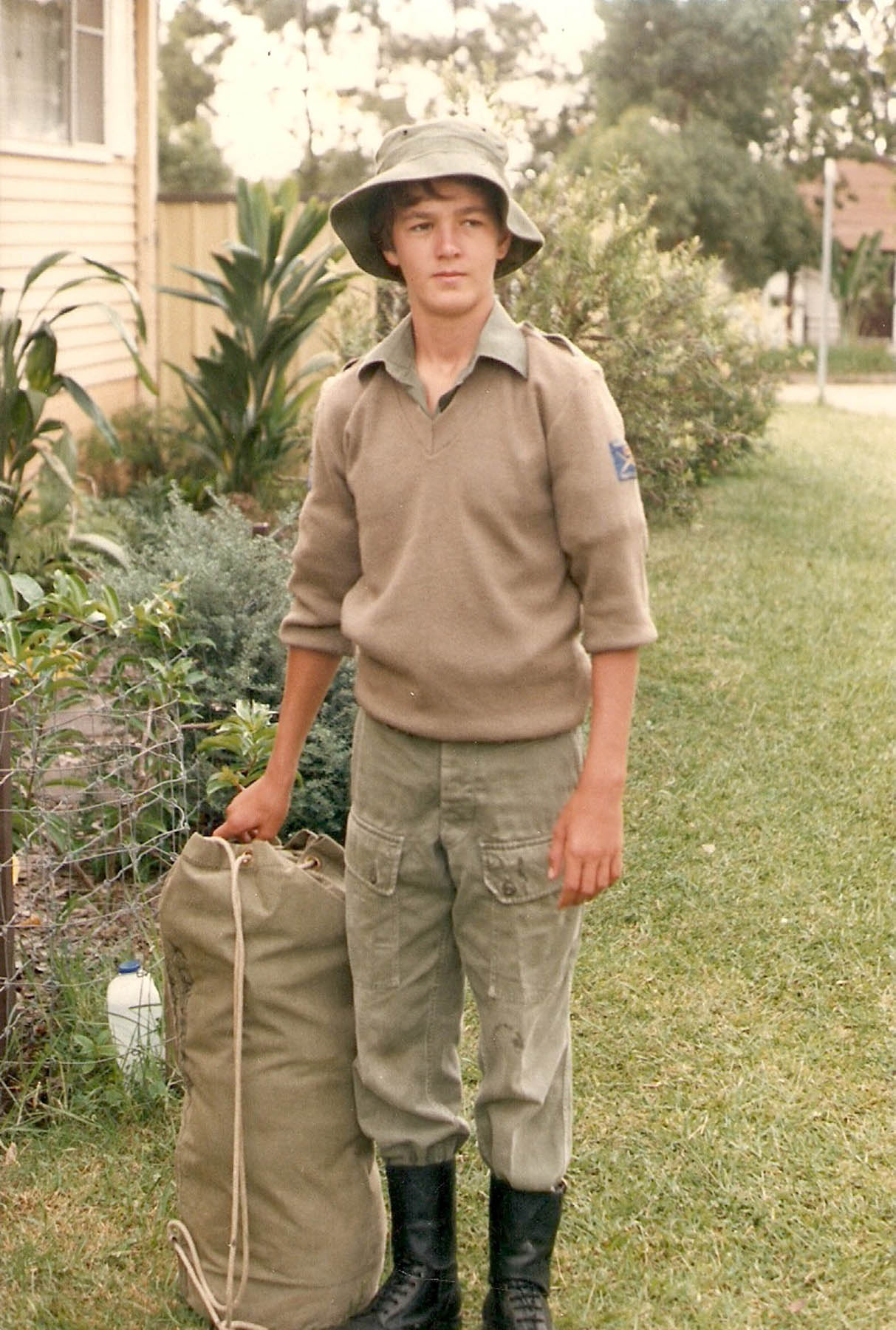
I was 13 and the family had gone hunting over school holidays and we’d taken my motorbike. I headed off by myself for a bowhunt and ended up stranded in a paddock when it broke down. After a half-day walk back to camp I’d learned a hard lesson, though luckily I was wearing my Army Cadet webbing with a couple of water bottles and some muesli bars. This experience and reflecting on what could’ve happened was the catalyst for the ‘what if?’ mindset that’s stayed with me and served me well in the Army and other careers.
When did you turn your hobby into a profession?
Soon after our daughter Jamie was born, my government workplace changed. From a job where I’d been the subject matter expert environmental scientist and program manager, I was suddenly a desk-jockey paying contractors to do the work I used to do (better). Leaving the job was a no-brainer and given the changes parenthood brought, it made sense for me to become ‘Daddy Daycare.’ This led to establishing Heiman Habitat, a veteran and family-owned small business with a focus on hunting and survival.
What’s your strategy to grow and engage followers?
I was approached to write for the Australian Bowhunters Association 20 years ago. The editor of their magazine was concerned many of the contributions followed the same pattern: ‘I got up, went out, shot my target species and went home’. These articles tended to be more about the writers, whereas the editor wanted content which covered the discipline of hunting more broadly, to help inform current and next-generation bowhunters.
With a background as an Army instructor my preference has always been to educate, not lecture, somewhat akin to Aesop’s Fables, only I write about ethical hunting and survival. This approach seems to work for readers and has helped us grow from writing for one magazine, to a business that freelances for many publishers and has an active social media following. After Peter Bindon’s passing it was a pleasure to be appointed Australian Shooter’s Bushcraft and Survival columnist in 2022. As long as Heiman Habitat encourages readers to question what they thought they knew and consider other perspectives, I reckon they’ll stay engaged.
How much time goes into content creation?
Freelance writing isn’t the only thing Heiman Habitat does, though I dedicate a couple of days a week to writing stories and other magazine content. As a small business owner I’m always ‘on the job’ and, given my profession is also my hobby, our family’s activities are shaped around an outdoors and hunting lifestyle. We’re forever recording activities in pictures and words. While I can write a freelance article in a day, I need supporting imagery otherwise I’ve nothing. And it’s not just me involved. It’s been such a pleasure to see my wife Kath and Jamie take up archery and rifle shooting over the years. They now share their own experiences through writing.
What formula works best for you?
Before I put pen to paper I need inspiration and this generally isn’t difficult. I’m known to ‘think outside the box’ and my interest is sparked by lots of things. Once I have an idea, I’ll outline the key issues in dot-point then flesh them out based on knowledge and supplementary research. For social media there’s only a few words available to hook the readers’ attention. So here I often focus on trend-spotting in my areas of interest – incorporating my own insights, an engaging caption, clear message and active hashtags.
Did you find documenting everything challenging?
I’m an extrovert, a storyteller, husband, father, instructor, mentor and friend so I love to engage, inform and entertain. Storytelling is a powerful and timeless practice which captures human emotions, experiences and ideas, whether it occurs around a campfire, on a page or a device. Documenting what I do and writing about it is just another way to foster social interaction. Far from challenging, it’s an aspect of the human experience which makes me particularly happy.
What does success look like to you?
Both Kath and I have had cancer – the sort which puts you in an oncology ward wondering if they’re going to carry you out in a box. What we learned is ‘you don’t live to work, you work to live’. We had our daughter between respective treatments and our philosophy towards life has endured. To us success is measured by our ability to raise, train and sustain a fully-functioning, well-rounded human being in her. After all she’s our legacy. So we enjoy ‘the now’, choose the work we do and refuse the stuff we don’t want. We may not be rich in material wealth but are rich in experiences.
Are you working towards a goal?
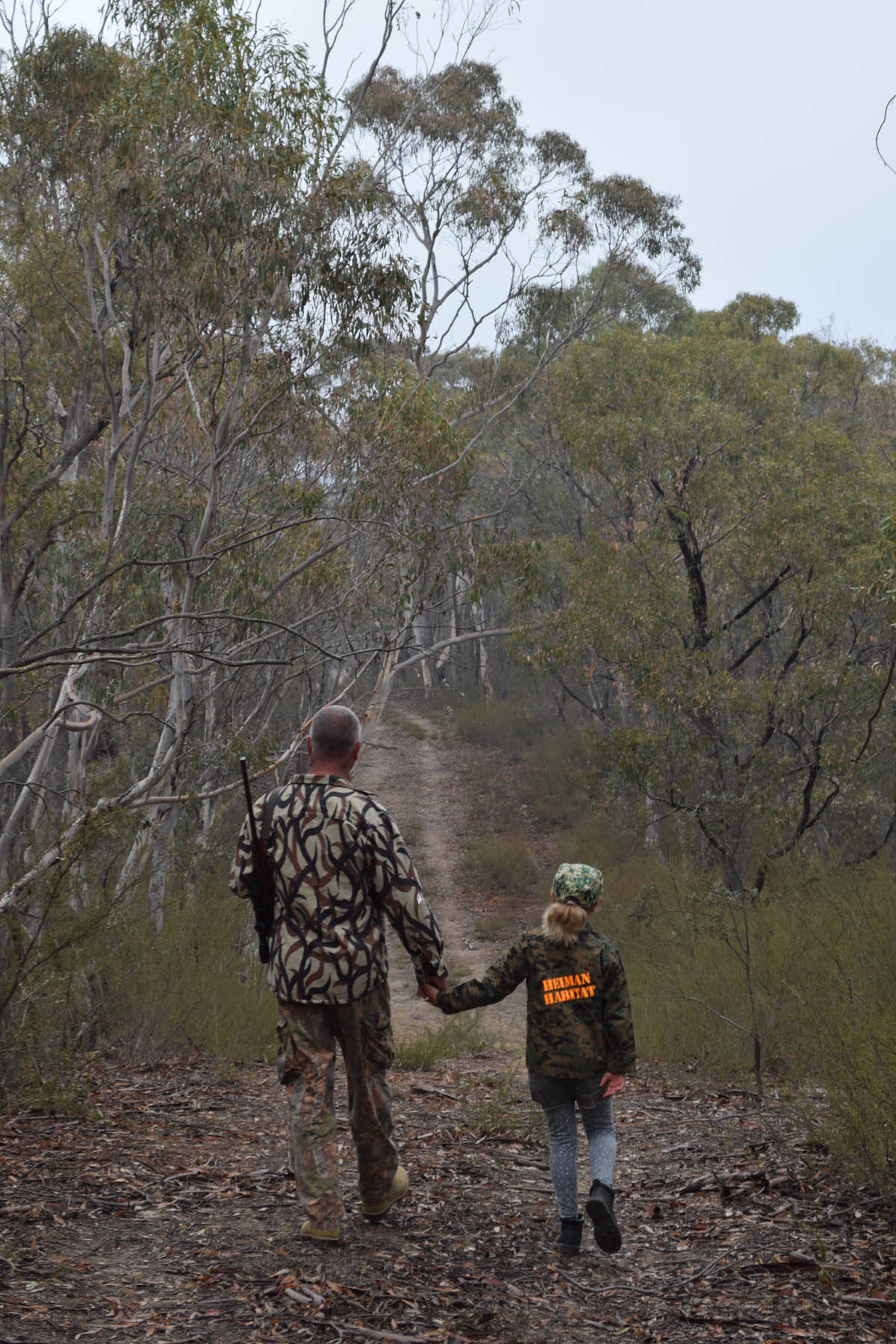
We want to continue what we’re doing as a family, capitalising on the opportunities and imperatives which exist when your daughter turns from child to teenager. While Jamie remains happy to join us, we want to travel together as much as possible, building those joint experiences that’ll last in her memory and, hopefully, help shape the values and priorities she sets herself as an adult.
Do you have a go-to set up to document/ content create?
I learned a while ago your mind is your best weapon. Both Kath and I are Gen X. We came of age during a period characterised by this nation’s highest divorce rate, economic uncertainty and rapid technological advancements. We experienced the advent of personal computers, the rise of MTV and fall of the Berlin Wall. These events influenced our beliefs in self-reliance, adaptability and work-life balance. We can embrace tech like a Millennial but hate it with the passion of a Baby Boomer.
Firearm preference?
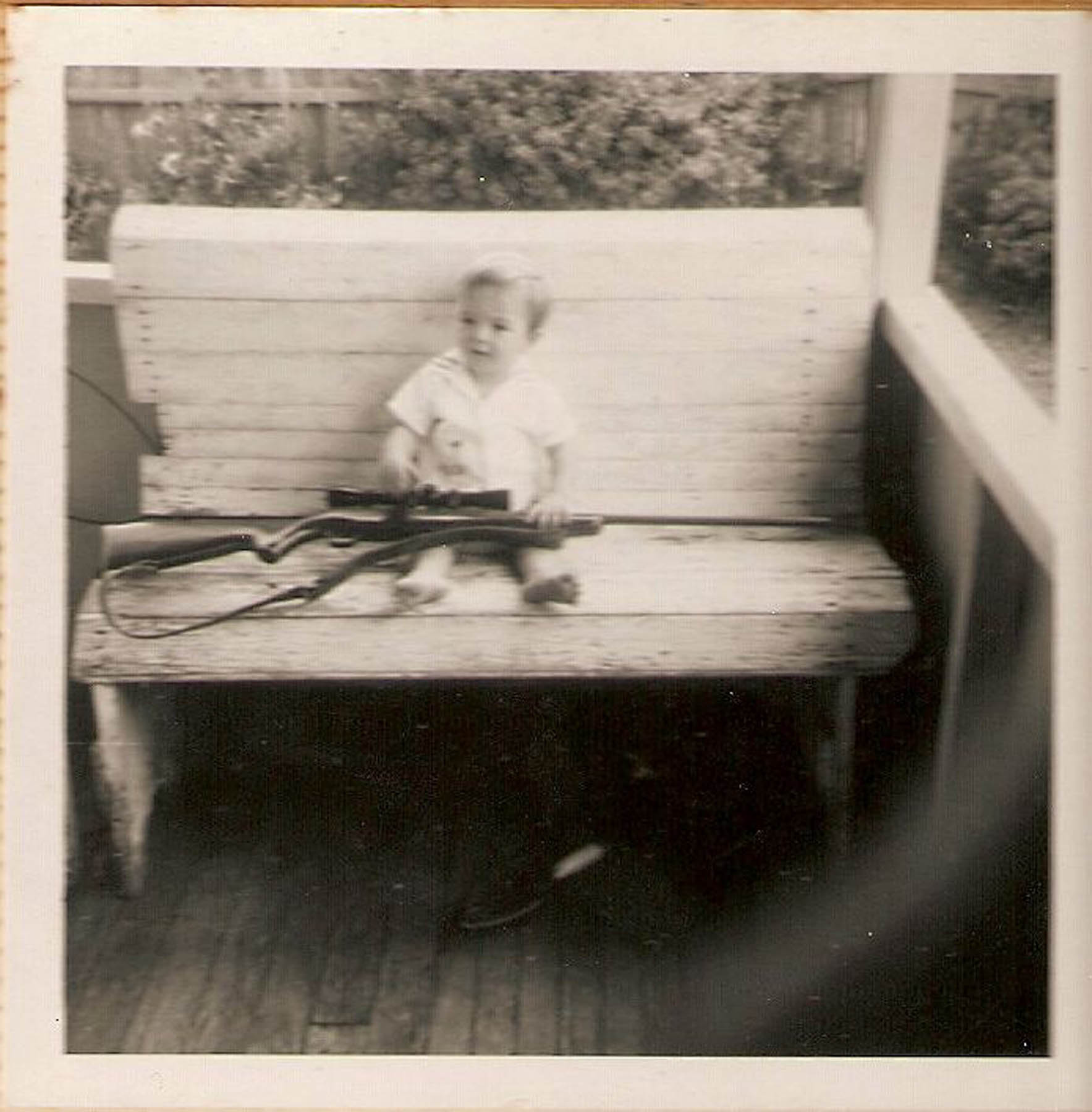
Now that’s unfair. Firearms are a tool and there are horses for courses. Are you asking about my favourite firearm, favourite chambering or favourite make and model? My favourite firearm’s a Sportco Model 62A .22 cal. It’s Australian-made, 62 years old and still functions perfectly and shoots straight as a die. My grandfather gave it to my dad when he was 12, dad taught me how to shoot with it when I was 12 then I taught my daughter with the same rifle. When I’m using it it’s like they’re all with me.
My chambering would have to be the .22/250 because of its high-velocity, short-action and flat trajectory. Make and model is the Remington Model 788 with its rear locking lugs in three rows of three (known as the three rings of steel). My pistol choice is the Glock 17 in 9mm, shotgun the International Arms lever-action 12-gauge with open choke and survival firearm the Springfield M6 Scout U/O in .22 and .410 with open choke.
Any advice for the novice outdoors person?
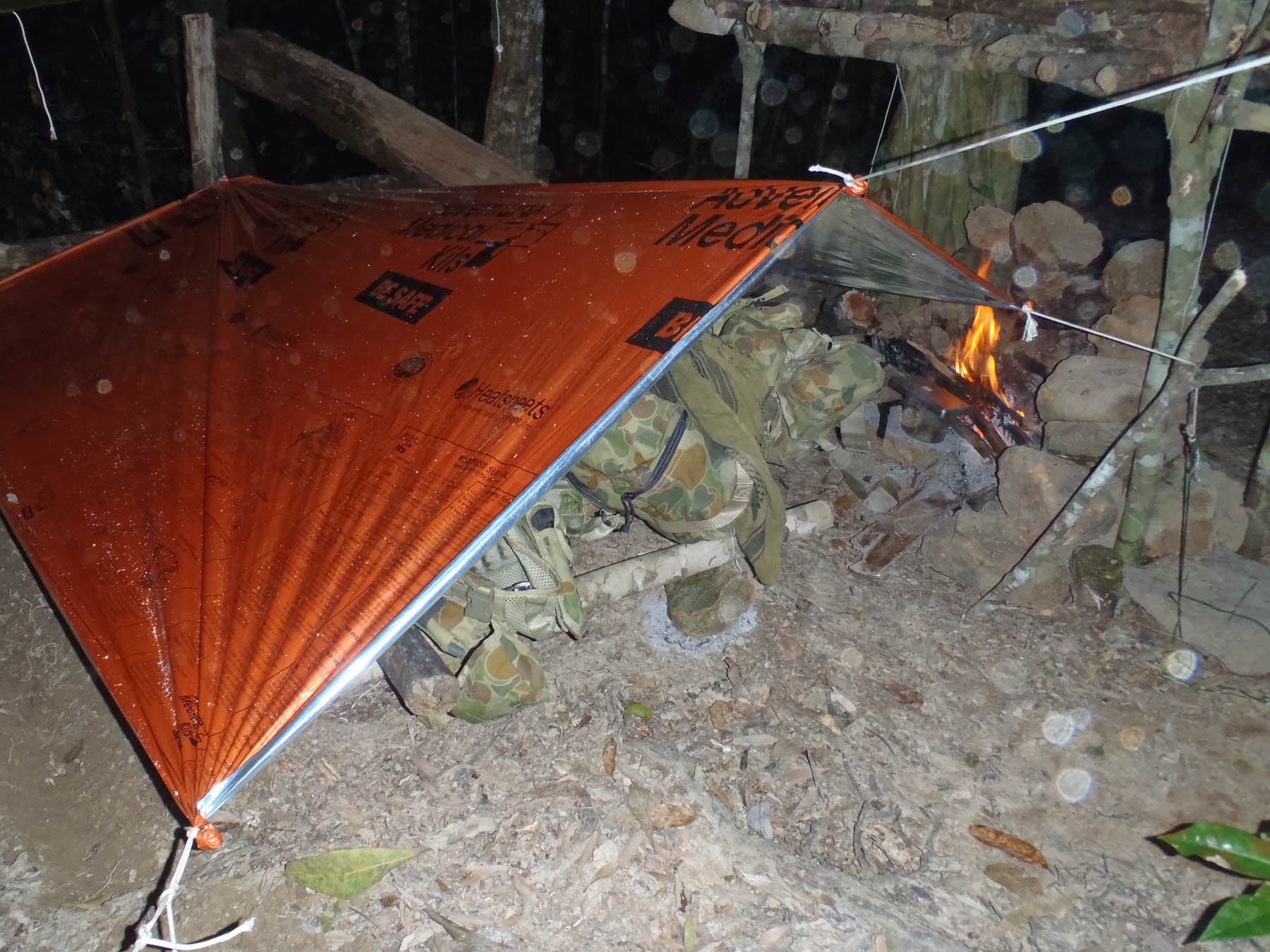
When it comes to survival the principle is ‘Get back to basics’ which includes learning how to survive without batteries. Batteries go flat and dependance on devices makes you less aware of your surroundings and predicament. Survival’s a mindset with more to it than water and shelter. A strong will to live, self-confidence in your capability and a positive focus on the task ahead are vital to retain control of a situation where you need the skills, knowledge and attitude to be pro-active. That’s how you become a ‘survivor’ not just an ‘existor’.
Do you actively talk to friends and family about shooting?
I was once referred to by a friend as a ‘Greenie with a gun’. After all, environmental scientist isn’t generally the professional profile you’d attribute to a hunter, army soldier/officer and member of the Australian Federal Police. But I think they go together like peas and carrots. The combination of these skills and outlooks speaks to ethics and a care for country in a country with far too many feral animals. I sometimes feel isolated when people/media use ‘weapon’ as a synonym for ‘firearm’. It’s emotive language which delivers the wrong message. After all, a biro in trained hands is a ‘weapon’.
The next issue comes when people baulk at eating game meat. (Actually, I don’t even like the term ‘game’ as it romanticises vertebrate pests. Just because they’re regarded as ‘game’ in Europe doesn’t mean they warrant the title here).
How has the shooting community changed in the past 10 years and what’s its future?
To my eye there’s been a growth in emotional and provocative language around the term ‘firearms’. Fostered by the media and left-wing politics, there now seems to be a social assumption of criminality around their existence and this situation fosters misinformation and mistrust. We’ve reached the point where law-abiding firearm owners feel they need to hide the fact they’re hunters or sporting shooters. My wish is that society, media and politics gets a little more centered. I hope my articles and socials do a little something towards achieving this.