



As Italian icon Beretta makes its 500th anniversary next month, Paul Miller has undertaken his very own ‘Italian Job’ and here, in the first of a three-part special, he looks back at where it all began and takes us on a tour of the magnificent Beretta Villa.
Part One: History and Beretta Villa
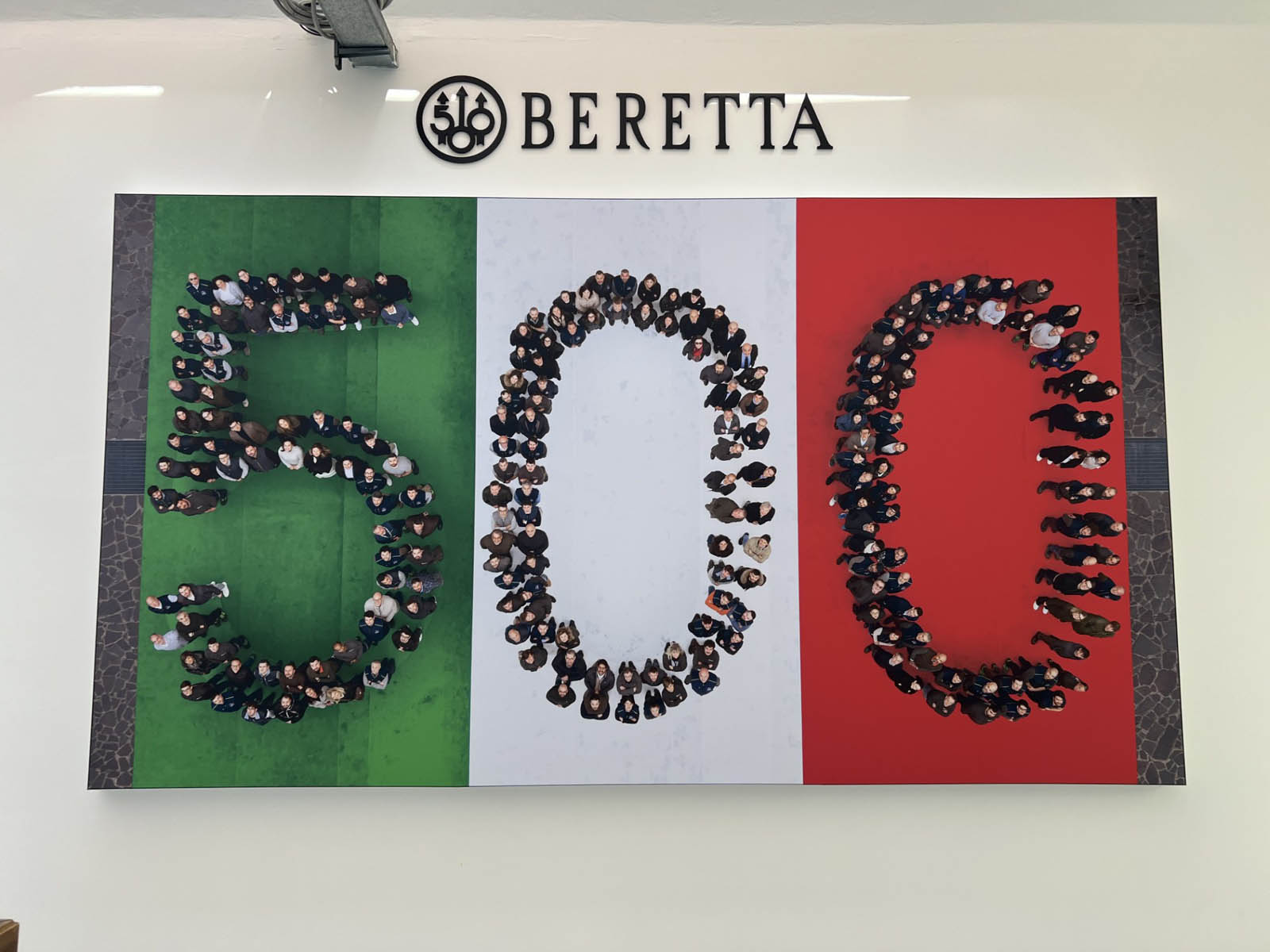
In what can only be described as an extraordinary milestone, this year the Beretta family and their company, Fabbrica d’Armi Pietro Beretta, are celebrating 500 years of manufacturing firearms in the stunning Alpine valley of Gardone Val Trompia in the Lombardy region of northern Italy.
Documents exist which officially confirm Beretta as the oldest active and continuous firearms manufacturer in the world. Even more amazing is the fact the company has continued to operate under the unbroken private ownership of the Beretta family and I believe the 17th generation has recently started working at the factory!
Yet Beretta is more than just a unique part of history in the production of firearms. For 500 years they’ve progressed from a small primitive forge supplying barrels to the Republic of Venice, to an industrial giant with a multi-billion dollar turnover which dominates both the defence and luxury sporting markets.
Along the way Beretta has contributed enormously to the evolution of things like global metallurgy, military history, industrial mechanization and luxury craftmanship. The company now combines state-of-the-art manufacturing, while maintaining the old traditions and exceptional levels of craftmanship in their custom shop, producing a more limited number of firearms which are superbly hand engraved and essentially functional works of art.
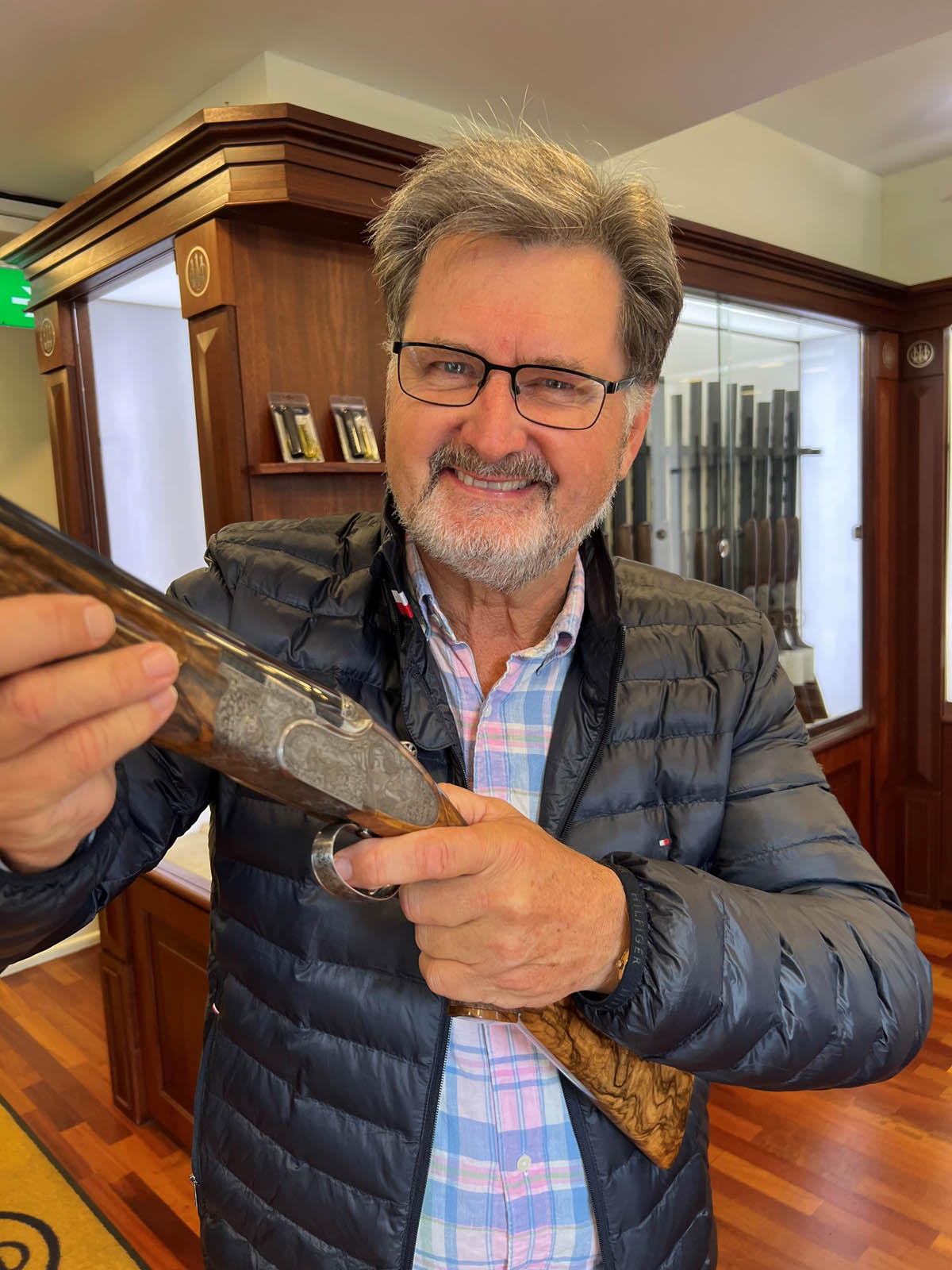
A couple of months ago I had the good fortune to visit Beretta headquarters during this quincentennial celebration, thanks to the organizing expertise of Michael McNabb from Beretta Australia. I enjoyed an unforgettable day being shown around the whole operation by Marta Belleri, the company’s Brand Communication Manager, whose encyclopedic knowledge, courtesy and excellent English made for a genuinely memorable and educational experience.
There was so much to see and so much to cover it was decided I’d write three articles for Australian Shooter, covering the 500-year celebrations, history of this Italian icon and the private firearms museum in the famous Beretta Villa. Next month I’ll report on the present-day operation then, in November, look at what Beretta see as their future in the research and development and innovation sectors.
A brief history
Beretta evolved where it did, at least in part, because of the unique geography of the Trompia Valley, an area tucked into the foothills of the Italian Alps near the charming city of Brescia. The area was known since the Roman Empire as the ‘Iron Valley’. Gardone Val Trompia just happened to have the three essential elements required for pre-industrial metallurgy. Huge deposits of high-grade iron ore in the surrounding mountains, dense forests to provide timber for charcoal smelting, coupled with the swift and powerful currents of the Mella River, to drive waterwheels for heavy trip hammers used in those early industrial processes.
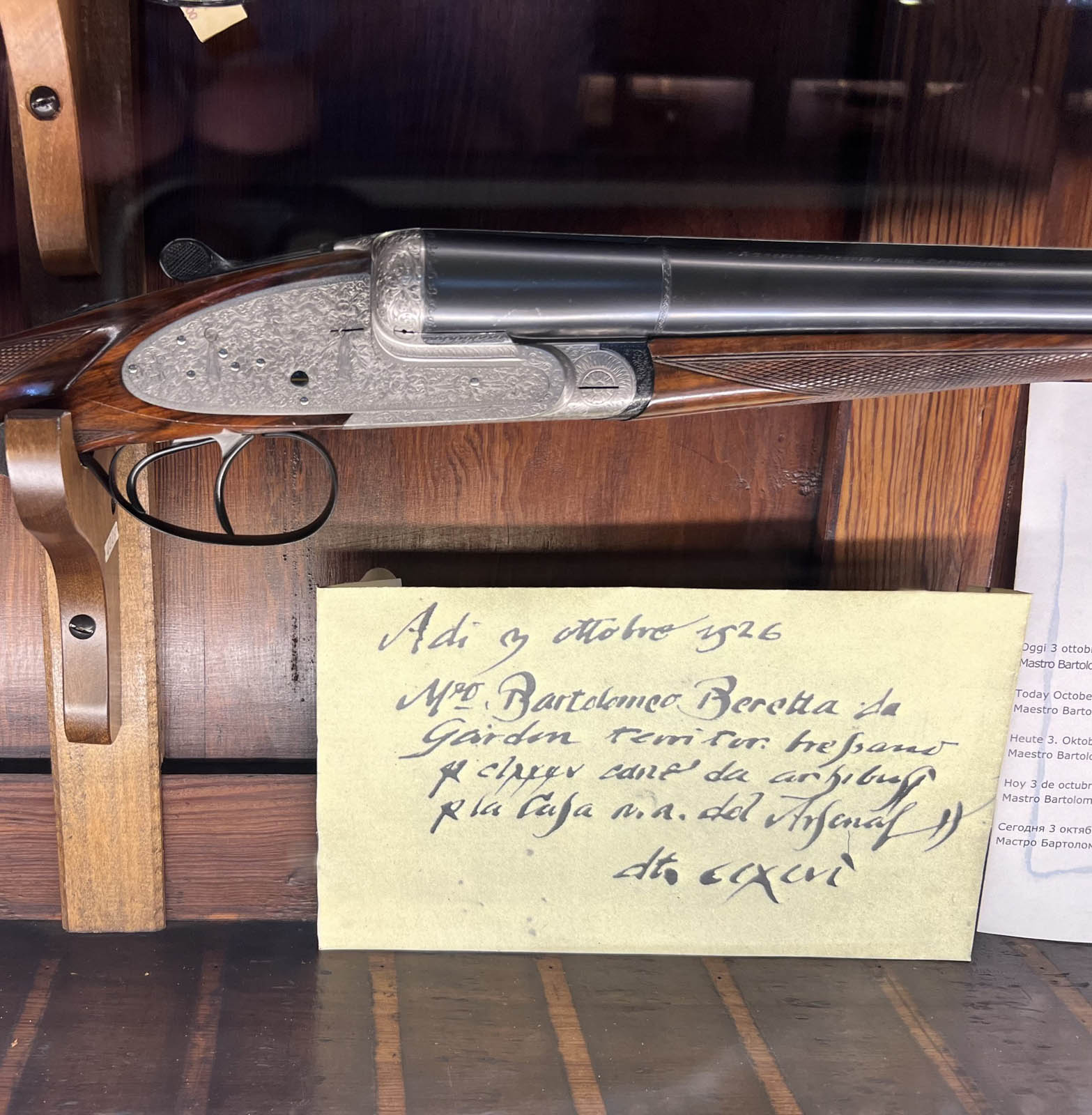
By the early 16th century, Gardone had developed into a thriving centre of independent blacksmiths, smelters and gunsmiths. It was within this highly specialized industrial enclave that Bartolomeo Beretta established himself as a master ironworker, specializing in the forging of gun barrels. It was an order for 185 arquebus barrels (and the invoice for this order dated October 3, 1526) which launches the documented history of Beretta. The original invoice is preserved in the State Archives of Venice, recording the transaction between Bartolomeo and The Arsenal of the Republic Of Venice, this document effectively the ‘birth certificate’ of Beretta. That first sale set the standard to follow with military contracts, as the firm continued to expand for the ensuing five centuries.
According to my research for this article, throughout the 16th, 17th and 18th centuries, Beretta operated within a highly regulated ‘Guild’ system under close scrutiny of the Venetian Republic. Venice recognized the very real strategic value of Val Trompia’s firearms production and maintained a strict monopoly over its production output. Throughout hundreds of years the Republic imposed export bans, forbidding the gunsmiths of Gardone from selling firearms to foreign powers or rival states.
During this period of strict controls, Beretta wasn’t yet manufacturing complete firearms under a unified brand name, the family forge operating as a highly respected subcontracting specialist. They were focused on the most technically demanding business of making barrels and still consider to this day the barrels they manufacture are the most demanding component of all. In the earliest days, making arquebus barrels for muskets involved folding strips of iron around a mandrel, hammer-welding the seams and boring out the interior, all while ensuring the structural integrity could withstand volatile explosive pressures of black powder.
For generations the eldest sons of the Beretta line inherited the forge, then passed down the proprietary metallurgical techniques they developed over all this time. By the late 17th century, Beretta had grown to be the second-biggest barrel maker in the Val Trompia valley. The family survived the devastating plague of 1630 which wiped out a large proportion of the valley’s workforce, while skillfully navigating various Venetian and European regional wars.
In 1797 the Venetian Guild system collapsed when Napoleon Bonaparte’s French armies invaded northern Italy, dissolving the Republic of Venice. Napoleon recognized the industrial capacity of Brescia and heavily subsidized the Val Trompia iron works to arm his massive military campaigns. When the Napoleonic Wars ended and the French retreated, the Congress of Vienna placed the Lombardy Region under control of the Austrian Empire.
This is when Pietro Beretta (1791-1853) took over the family dynasty, realizing the uncertain political times made relying on subcontracted barrel-making for unpredictable military clients a long-term risk. Pietro then decided the company would produce complete or finished firearms. It was at this time he identified the emerging market for high-quality civilian sporting and hunting firearms, especially among the European aristocracy and rising merchant classes of the time. Pietro expanded production to include complete flintlock, percussion and eventually breech-loading hunting shotguns.
His grandson also named Pietro (1870-1957), is credited with thrusting the company into the modern industrial age. He inherited operations at the start of the 20th century, and is said to have looked across the Atlantic at the automated assembly lines of US manufacturers like Colt and Winchester. Pietro realised the era of the solitary craftsman filing iron by hand was drawing to a close, at least in terms of standard production firearms.
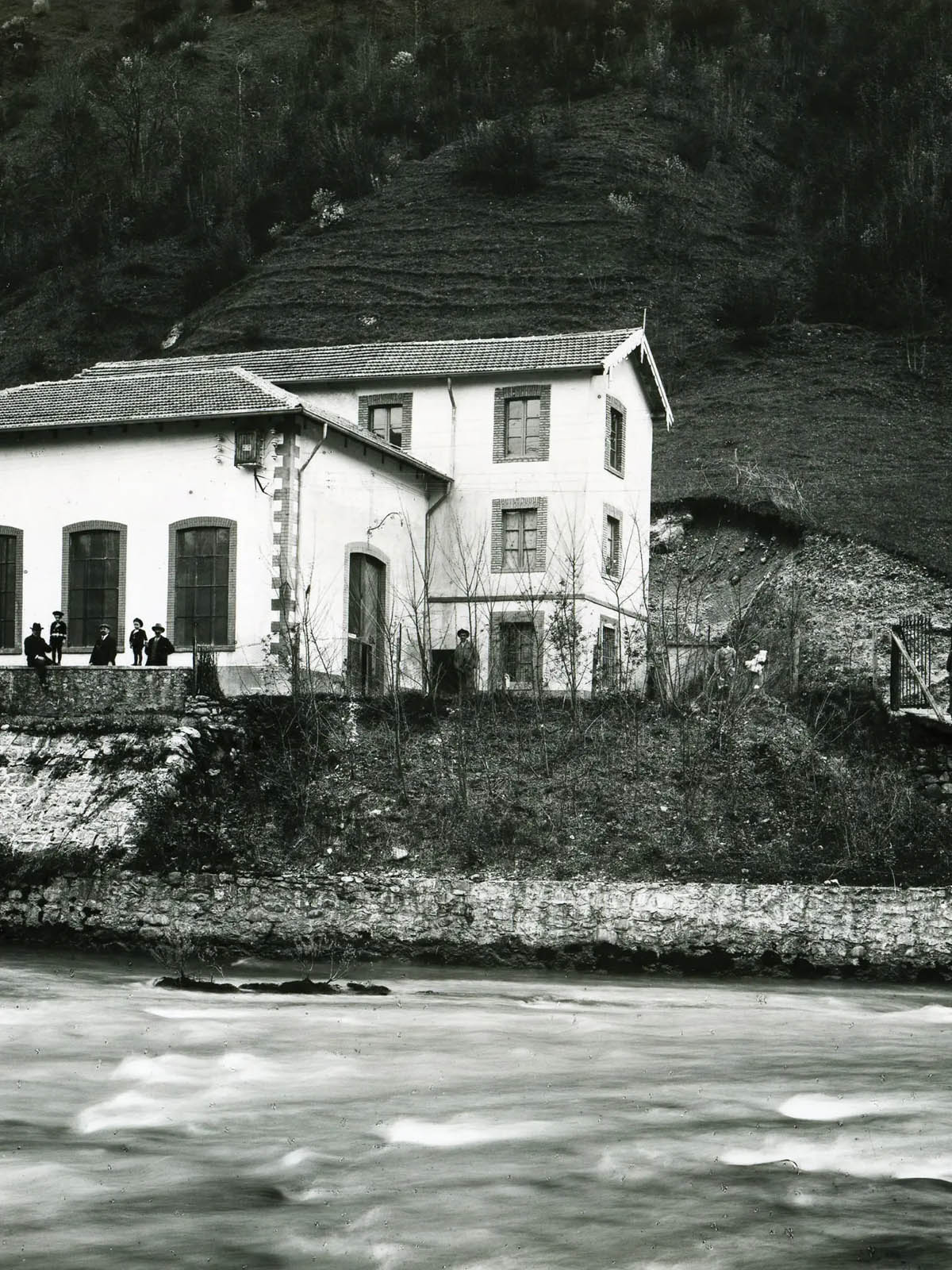
He set about expanding operations by demolishing the old cramped workshops and replacing them with vast concrete factories. He initially imported state of the art steam-driven machinery and later electric machinery from Germany and the US. Pietro also realized he could do away with expensive coal and built a hydro-electric plant on the Mella River to power his new machinery.
It would be fair to say Pietro was a remarkable and forward-looking man. He also recognised the importance of a loyal, stable workforce and established a comprehensive corporate welfare system in Gardone. He built housing for his workers, a nursery for their children, a dedicated hospital and trade schools to train the next generation of gunsmiths. Many of these innovations are still alive and well today at Beretta, with many of the 700 floor-line workers from multi-generational families. The 200 or so office and research staff are also often several generations deep.
When World War One broke out, there was demand for rapid firearms development as you might imagine. Pietro encouraged his designers (particularly chief designer Tullio Marengoni), to develop a series of ground-breaking designs. Readers with a knowledge of this period would be familiar with the Beretta Model 1918, widely regarded as one of the world’s first operational machine guns to be issued to military forces. In the inter-war period it was again Marengoni who designed a series of highly successful self-loading pistols, the most famous of these the Beretta Model 1934.
The onset of World War Two thrust Beretta into a dark and difficult chapter. Following the fall of Benito Mussolini’s fascist regime in 1943, Nazi Germany occupied northern Italy and seized control of the Gardone Val Trompia factories to maintain weapon production for German forces. The Beretta family found themselves walking a treacherous tightrope.
While being forced to run the factories under German military supervision, the family quietly aided the local anti-fascist Italian Resistance, covertly smuggling weapons and intelligence to their hideouts in surrounding mountains. Pietro was eventually arrested by the Gestapo yet survived the War, the intact factories eventually liberated by Allied forces and Italian partisans in April 1945. The remarkable Pietro passed away in 1957, leaving the company to his two very capable sons Giuseppe (1906-1993) and Carlo (1908-1984).
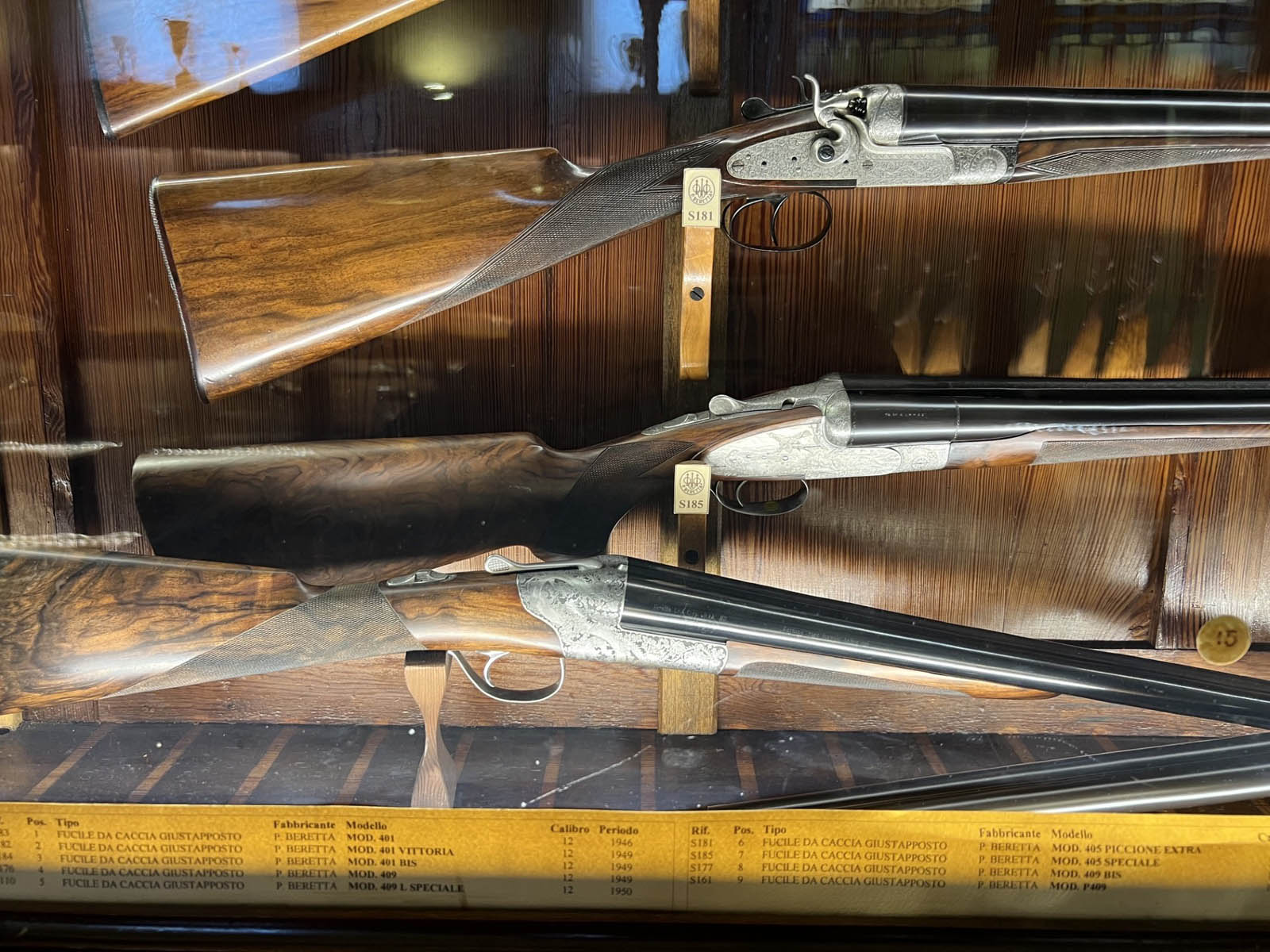
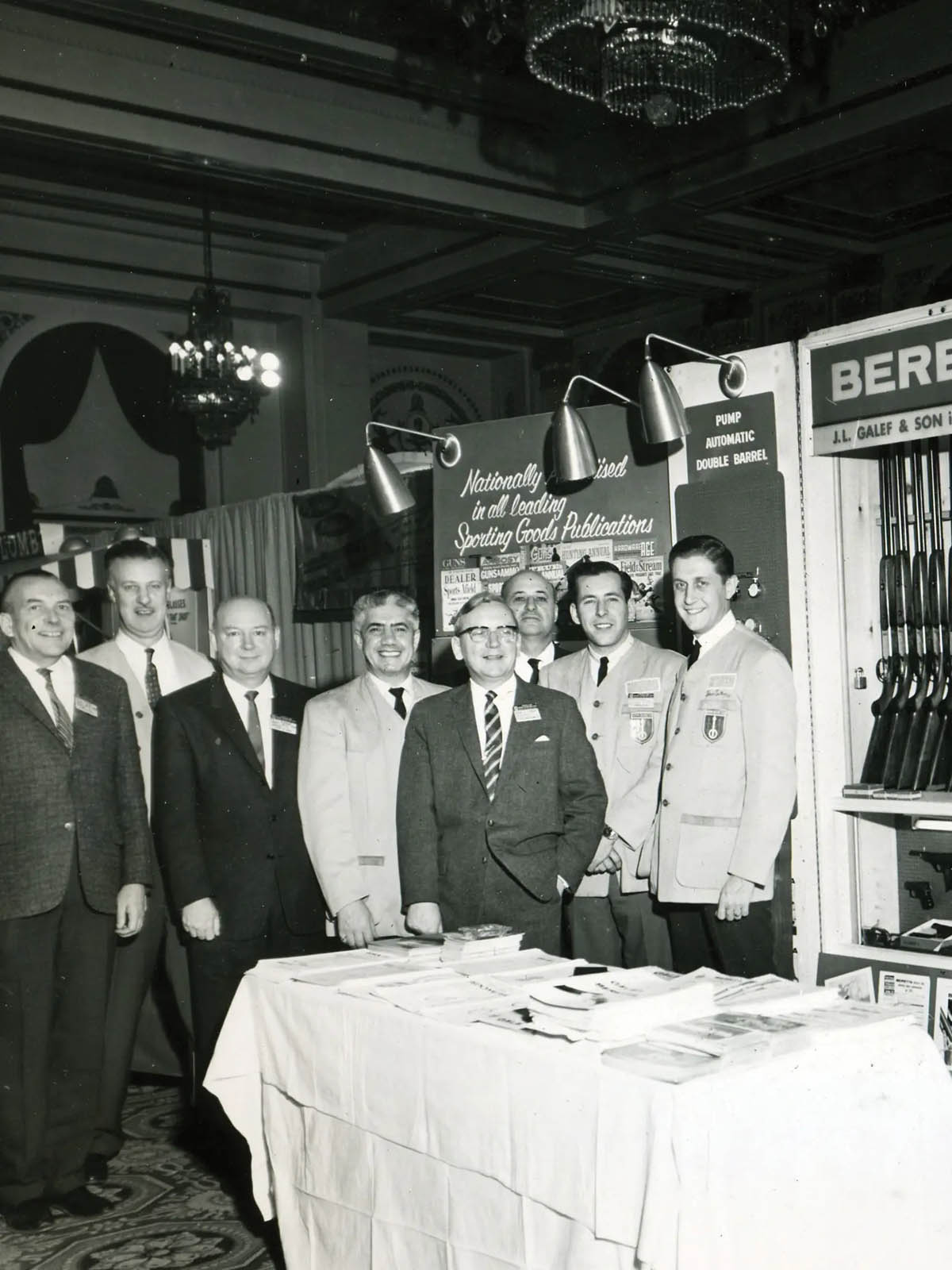
The post-World War Two era saw Beretta cement its reputation among the international clay target shooting and hunting communities. The highly prestigious and expensive S0 series shotguns were state of the art at the time. The company also introduced the more affordable but iconic Silver Pigeon over-and-under and side-by-side shotguns, which became benchmarks for competitors and hunters worldwide.
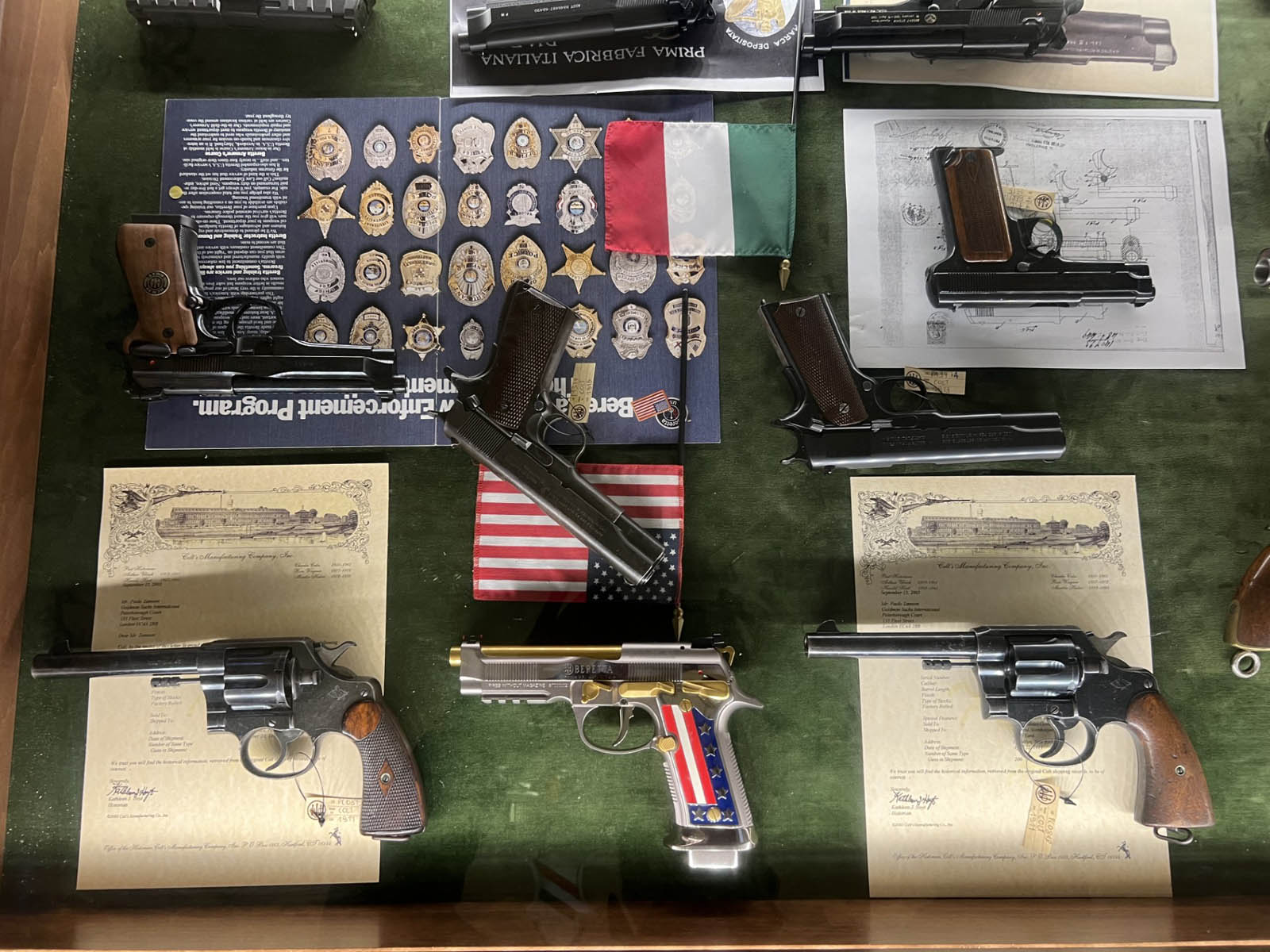
It was the next step which helped propel the company to what it is today – the development by Carlo and his team in designing the Beretta Model 92 pistol. Readers familiar with this one will know it’s the firearm which won a US Military contract, when its armed forces were looking to replace the ageing Colt M1911 which had served US troops since World War One.
It took years of political manoeuvering, technical testing and retesting before the Beretta 92F outperformed its global competitors, the firm awarded an initial contract for more than 300,000 pistols. To fulfil strict ‘buy US’ legal requirements of the contract, they established Beretta USA Corp and built a state of the art manufacturing facility in Accokeek, Maryland.
That M92 deal transformed Beretta’s global profile. It became a recognizable icon in popular culture, featuring prominently in Hollywood action cinema, television and video games. Most importantly, it established them as a trusted partner of the world’s most powerful military and the enormous economic benefits for Beretta cannot be understated.
Beretta Villa and private museum
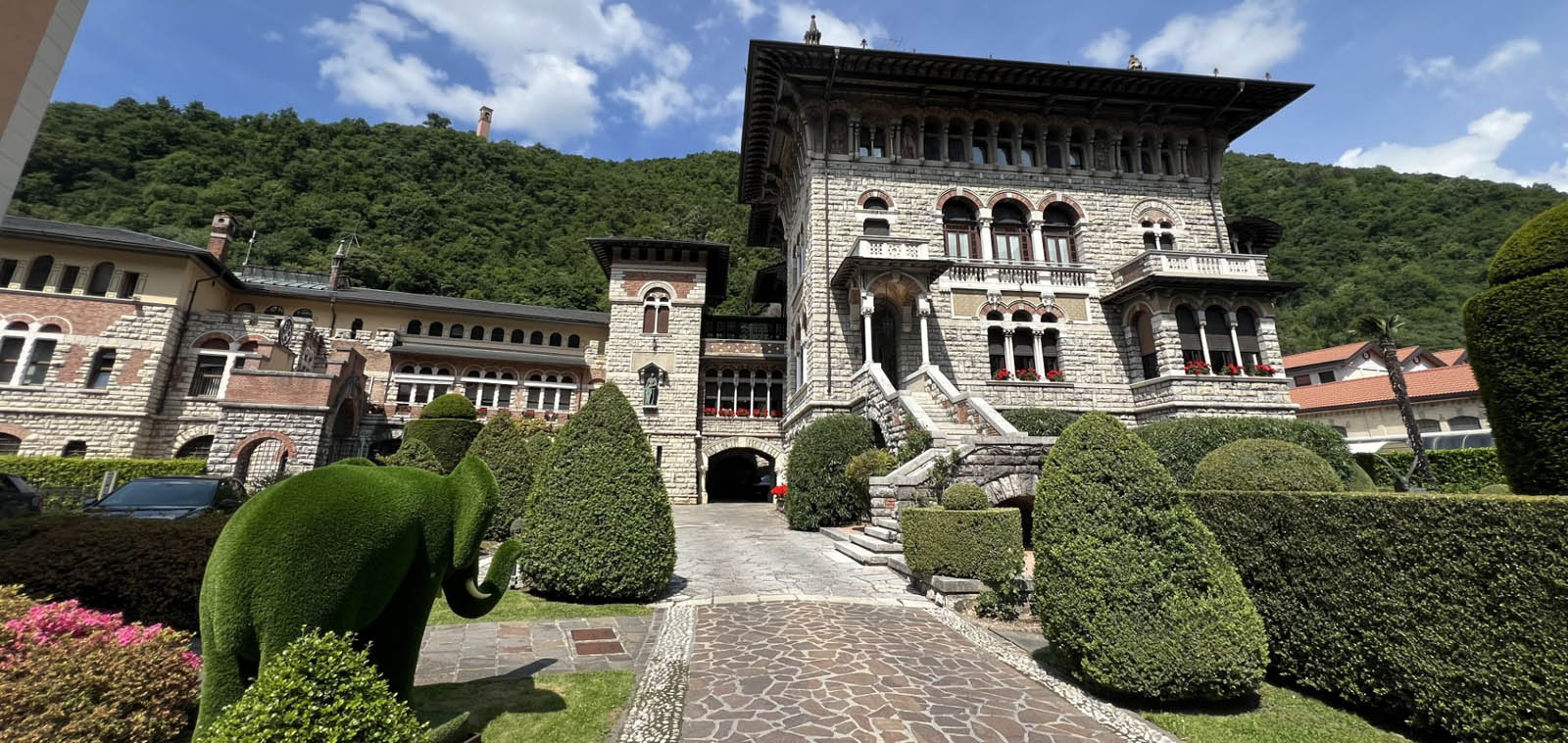
Within the grounds of Beretta Uno factory complex sits the Beretta Villa, which used to be the permanent family home. Today they retain apartments within the villa, though it’s now the administrative centre for the company and site of the amazing private Beretta Museum.
Shortly after the First World War, Pietro Beretta knew there’d be a drop in demand for firearms and was concerned about the company’s future and that of his employees. He’d formed a friendship with a well-known architect from the nearby city of Brescia. Egidio Dabbeni and Pietro became close friends and the result was a plan to build a splendid villa for the family, employing workers surplus to the manufacturing of firearms rather than lay them off.
Completed in 1925 the Beretta Villa is four floors high in part, with the façade enriched by neo-Gothic and neo-Renaissance decorations. It could certainly be described as eclectic and is a truly impressive building both inside and out. The interiors are frescoed and completed with an elegant marble staircase, gallery and balcony. The atrium bears the inscription ‘Omnia vincit ars labor’ which translates to ‘Art and work conquer all’, a perfect summation of the Beretta ethos as they celebrate 500 years.
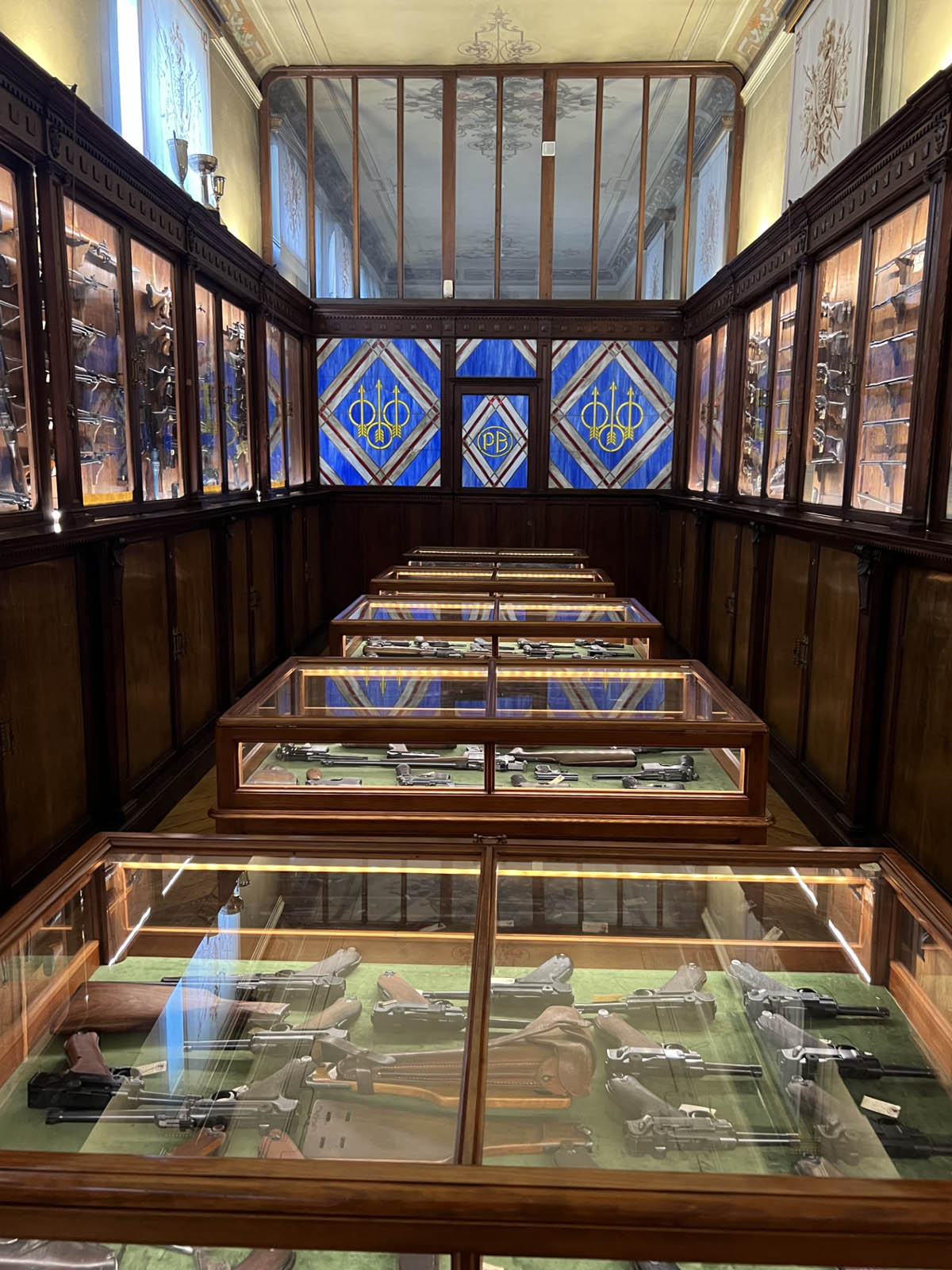
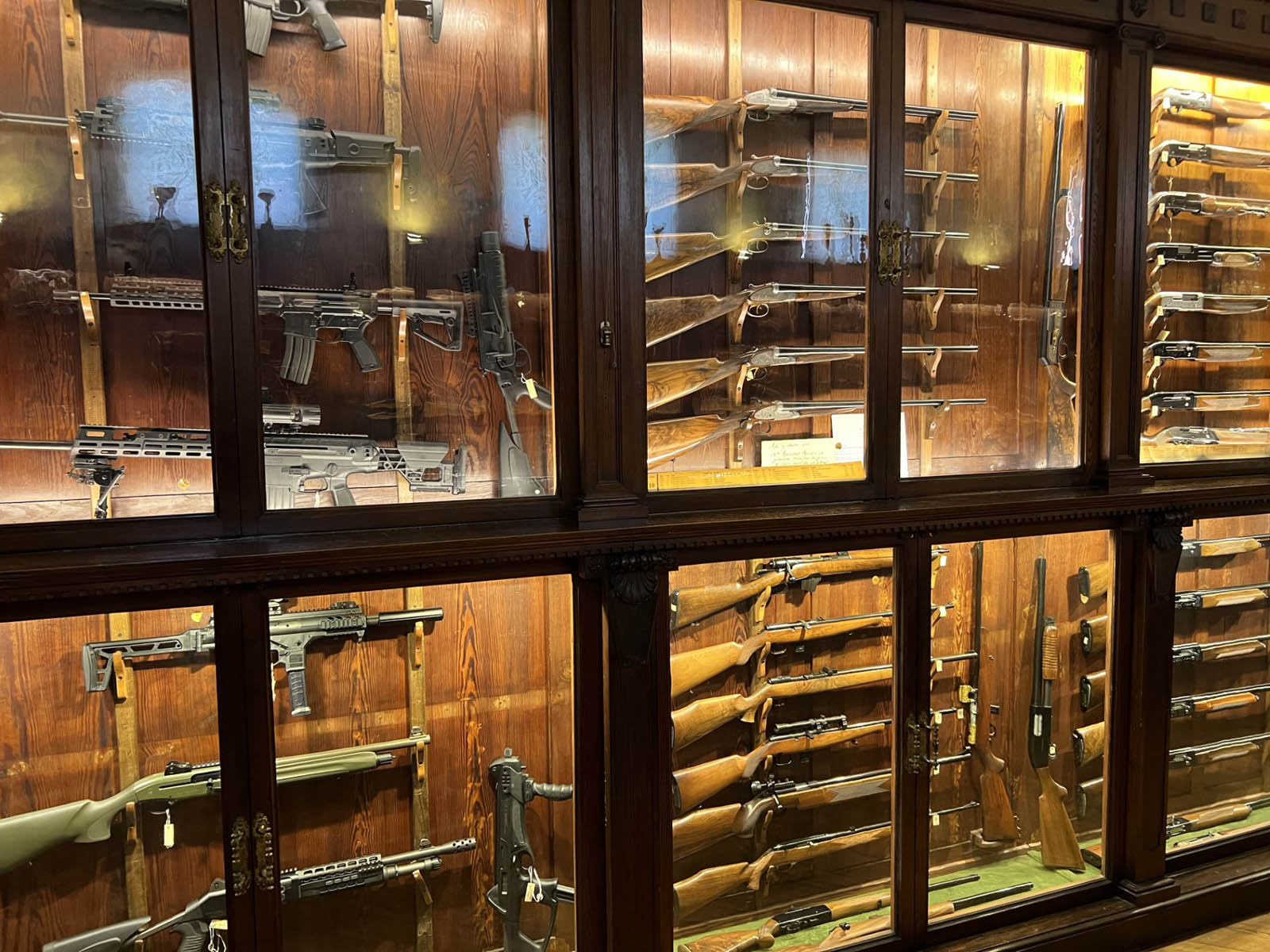
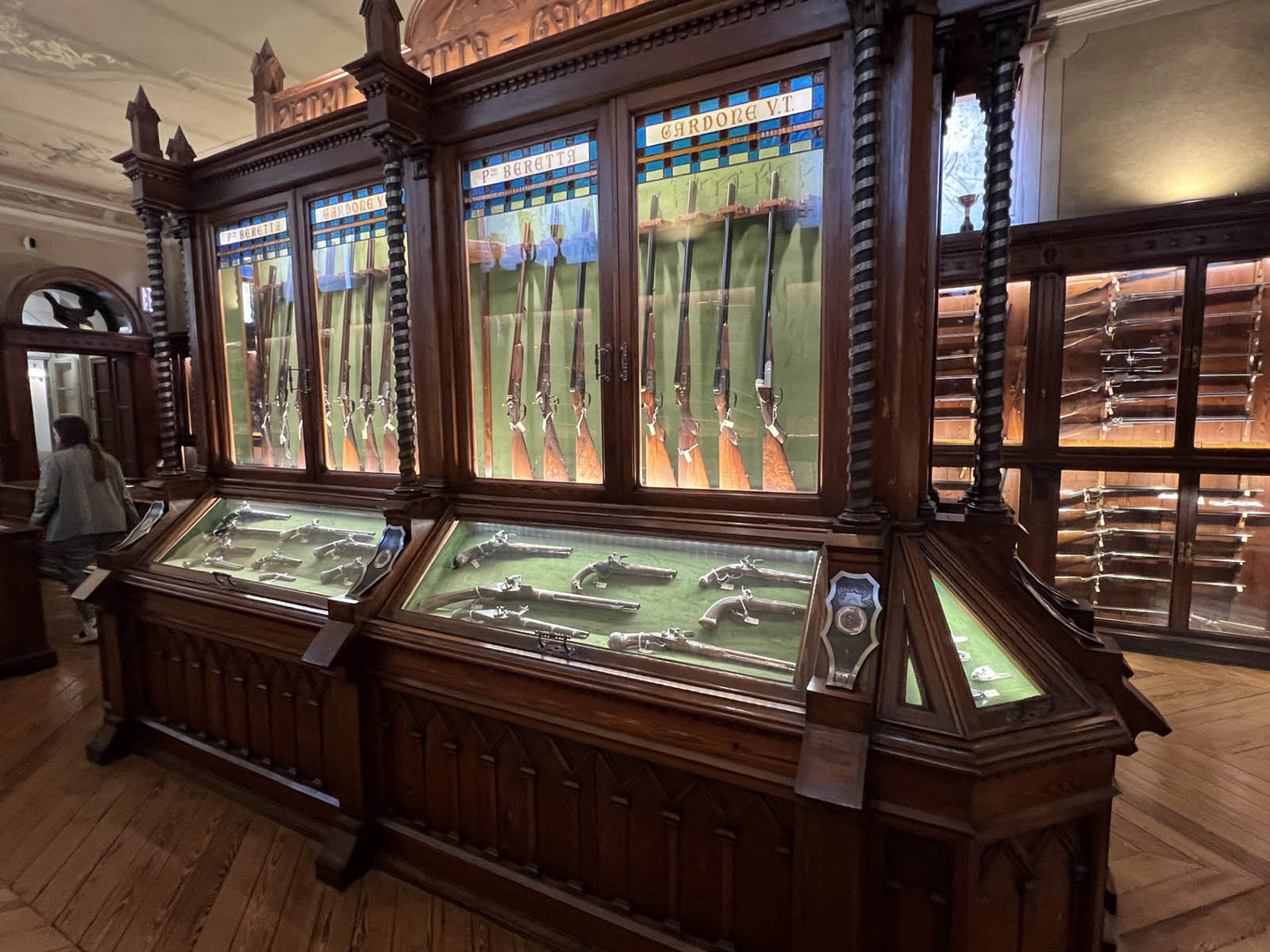
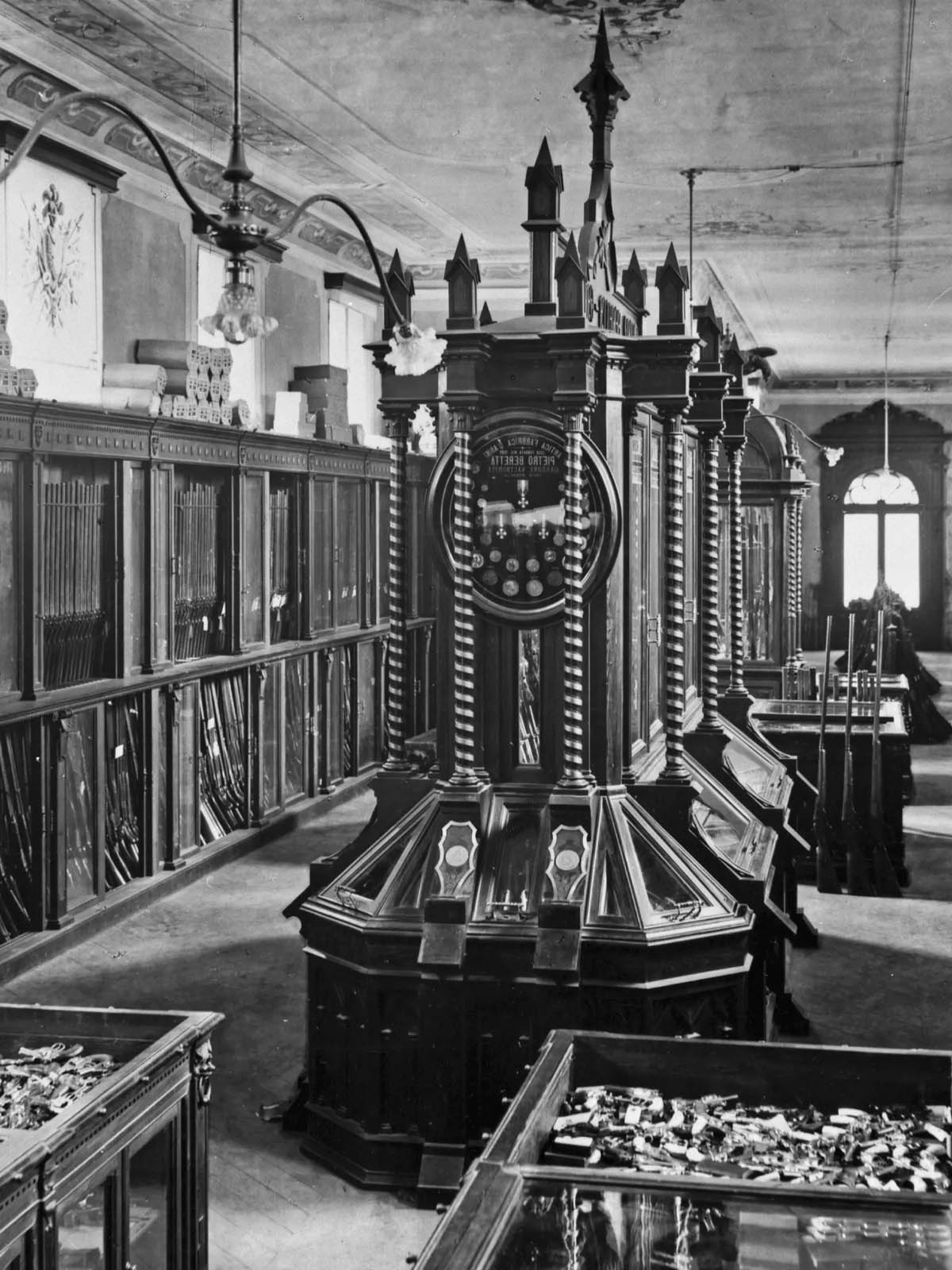
The private collection in the villa is an amazing record and testament to the firearms made by Beretta and others over all those centuries. Set in one long room lined with beautifully vertical and horizontal glass cases, the collection displays around 3000 firearms and associated items, one side devoted to sporting firearms and the other military designs.
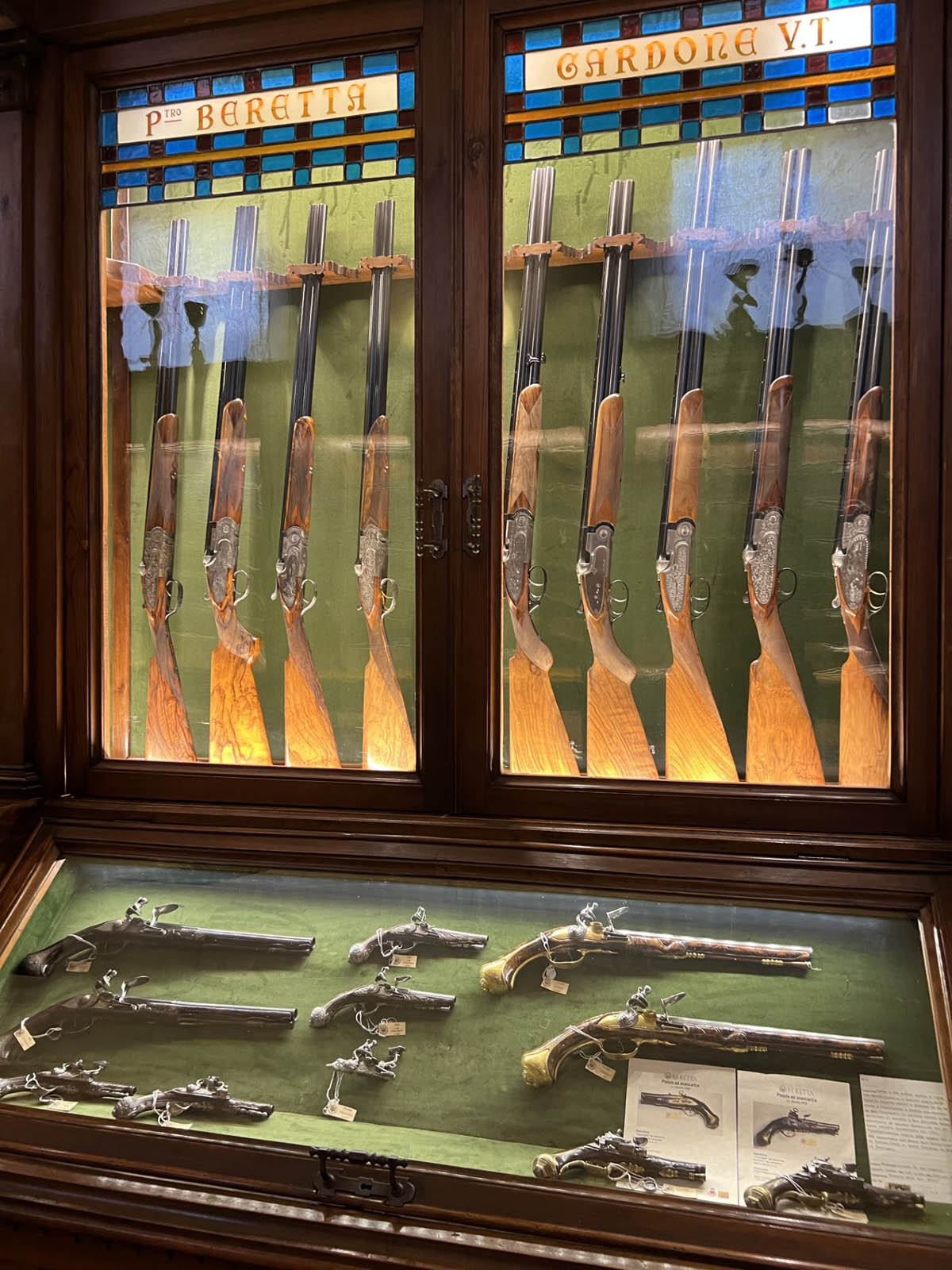
The middle cabinets include some of the earliest examples of firearms, to show a broader history of their development. Early matchlocks and flintlocks showcase the black powder era, while there are also examples of the earliest barrel-making techniques, known as ‘Damascus’ in Australia and worldwide. They show the spiral winding of steel around a mandrel and hammering of the metal until it welds together, then boring it internally to withstand the lower pressures of black powder of the day.
Some of the displays are works of art, like a pair of SO series shotguns presented to Ugo Gussalli Beretta for his 70th birthday, housed in a superb desk with glass top and a beautiful model of the Beretta Villa on top. These firearms are the pinnacle of design and art engraving produced by the master craftsmen at Beretta Dua, where all high-end custom guns are made and engraved.
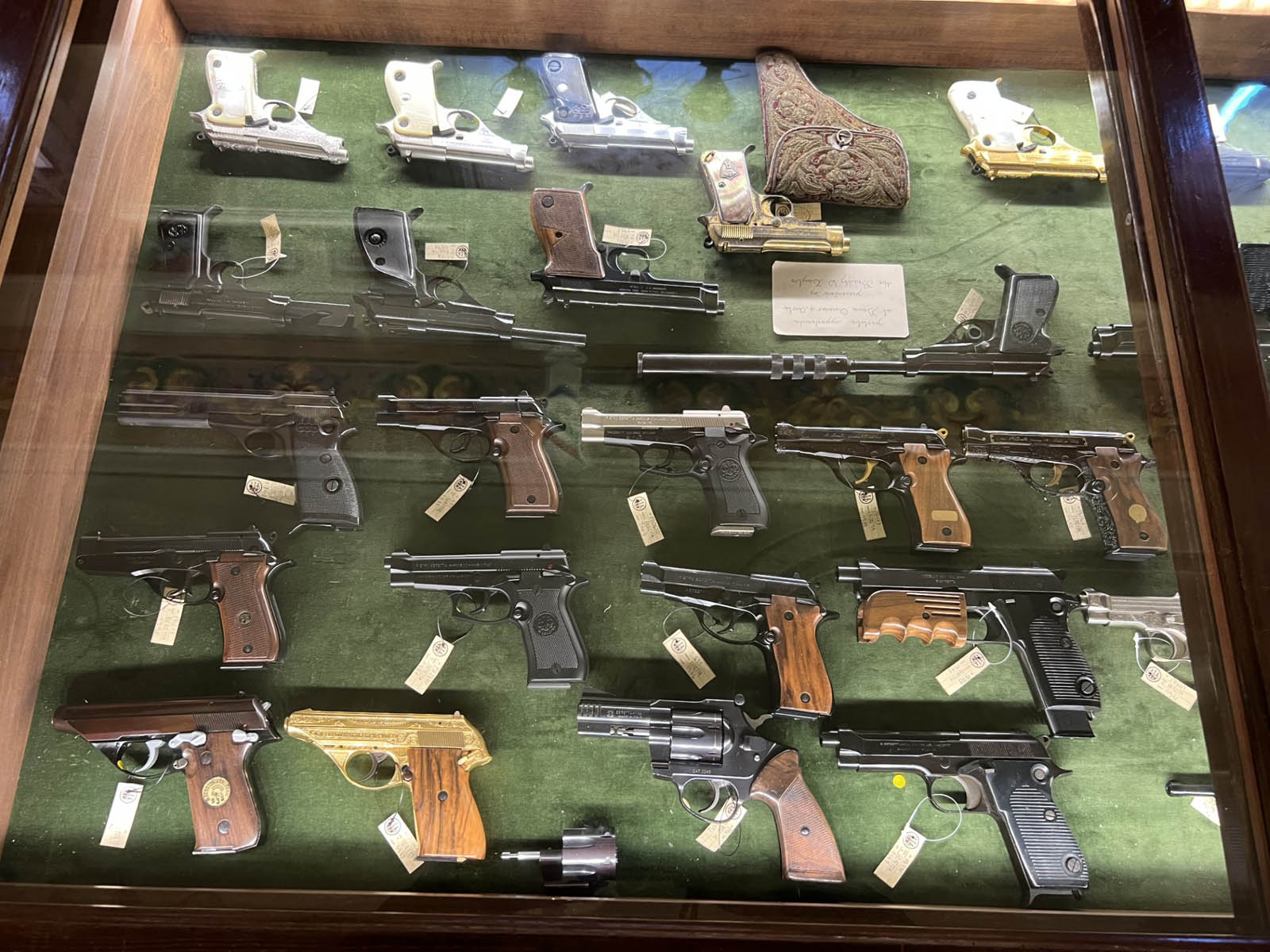
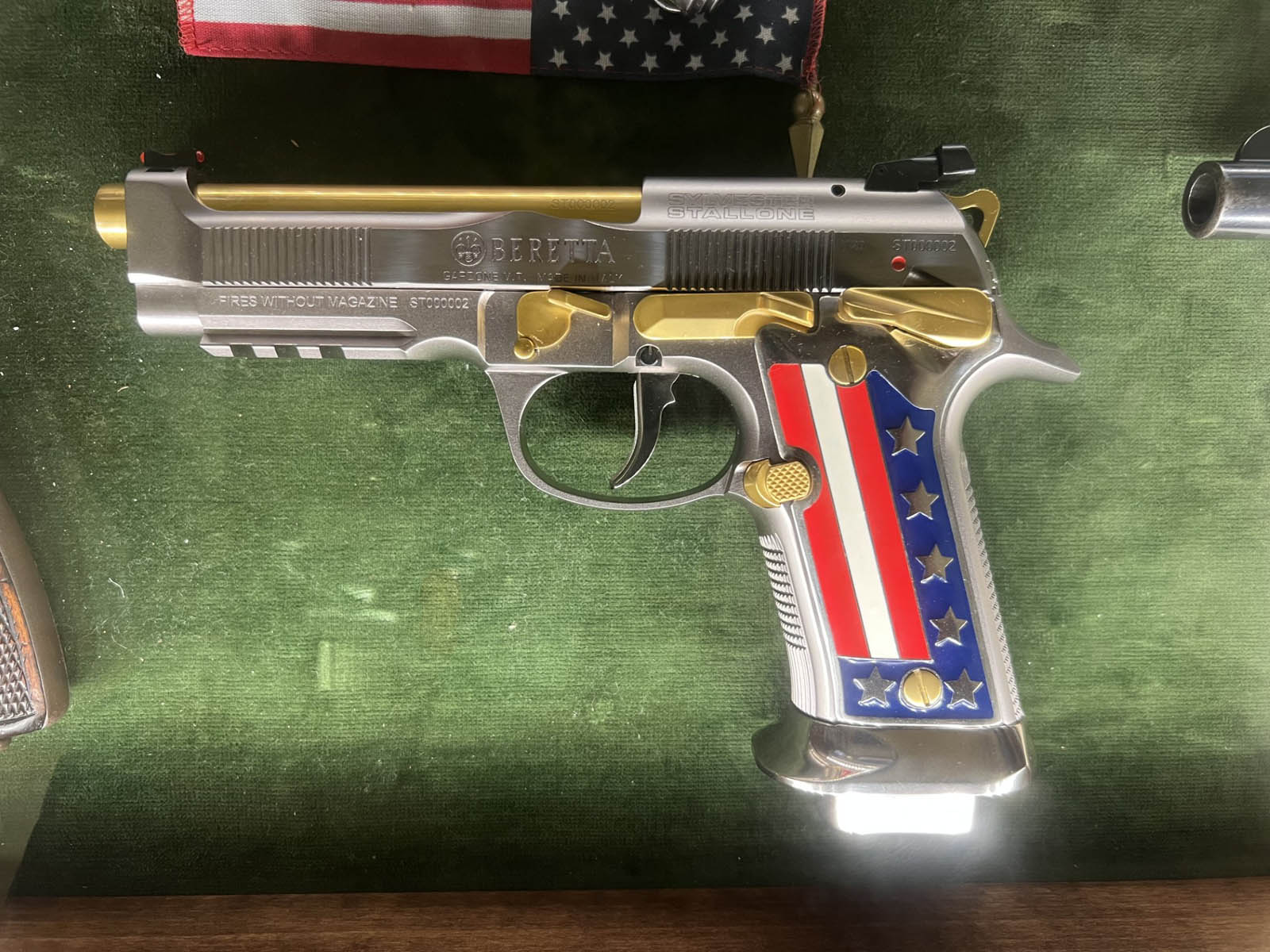
There are several cases of pistols, many of which had famous owners including Hollywood celebrities, along with military examples which helped Beretta become the industrial powerhouse it is today. An extraordinary collection in an amazing building, it was a privilege to be shown the private collection which is a memory for life with any serious gun enthusiast.
Next month we’ll look at modern-day Beretta and their two factories, Uno and Due (one and two), where extensive floor area and technology, coupled with smaller premises with incredible old-world craftsmanship, create some quite extraordinary numbers of production and custom-engraved firearms.