
Daniel O’Dea admires an Aussie-Kiwi rifle alliance
Victorian manufacturer Wedgetail Industries is well established as a supplier of both pump-action and self-loading firearms, catering to markets both civilian and Defence. Their WT series of modern sporting rifles, being AR-based derivatives, in my experience have all been well-built, high quality firearms producing great accuracy to boot. As such I was most interested to learn Wedgetail were moving into what you might consider the more ‘traditional’ segment of the market with a new bolt-action rifle. Enter the Orion Hunter series.
The rifle in true Anzac tradition is a collaboration between Australia’s own Wedgetail Industries, Hardy Rifles of New Zealand and Lithgow Arms. The Orion Hunter is a Wedgetail creation but uses design aspects of the Hardy action system. Some parts are supplied directly from Hardy, others made by Wedgetail under licence, with yet others proprietary Wedgetail items. The latter’s relationship with Lithgow continues in the supply of barrels, as it does with their other offerings.
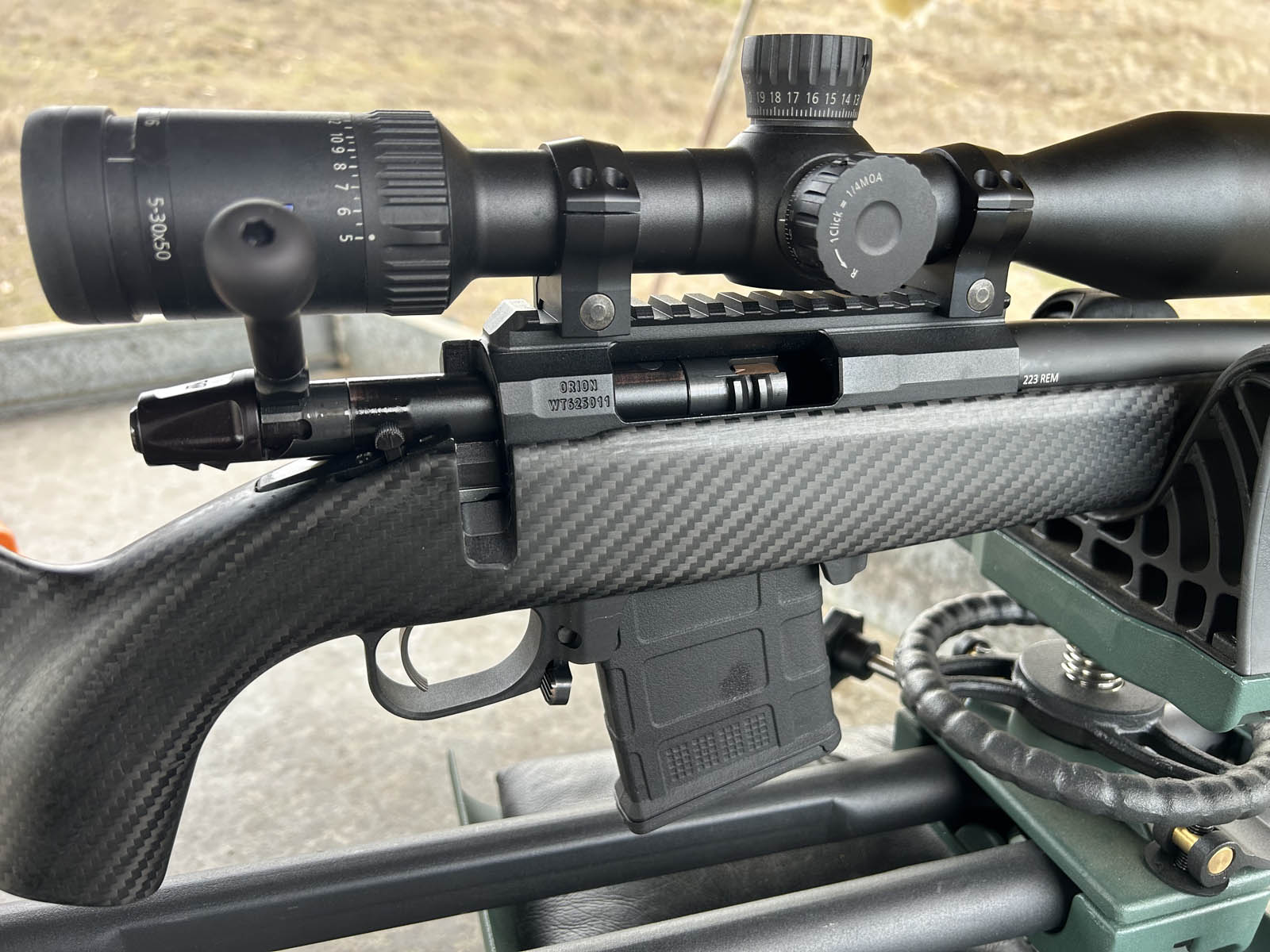
The rifle uses a buttress thread on the end of the bolt that locks into a barrel extension which, as the name would suggest, is connected directly to the barrel. This system is unlike most conventional bolt-action rifles which use bolt lugs locking into a receiver ring. Traditionally, such lugs acting on a receiver produce the camming for primary extraction. With the Orion, the helical movement between the buttress thread and barrel extension provides the primary extraction. Not a new thing in theory as it operates similar to the breech systems on many artillery pieces, though interesting to find on a bolt-action rifle.
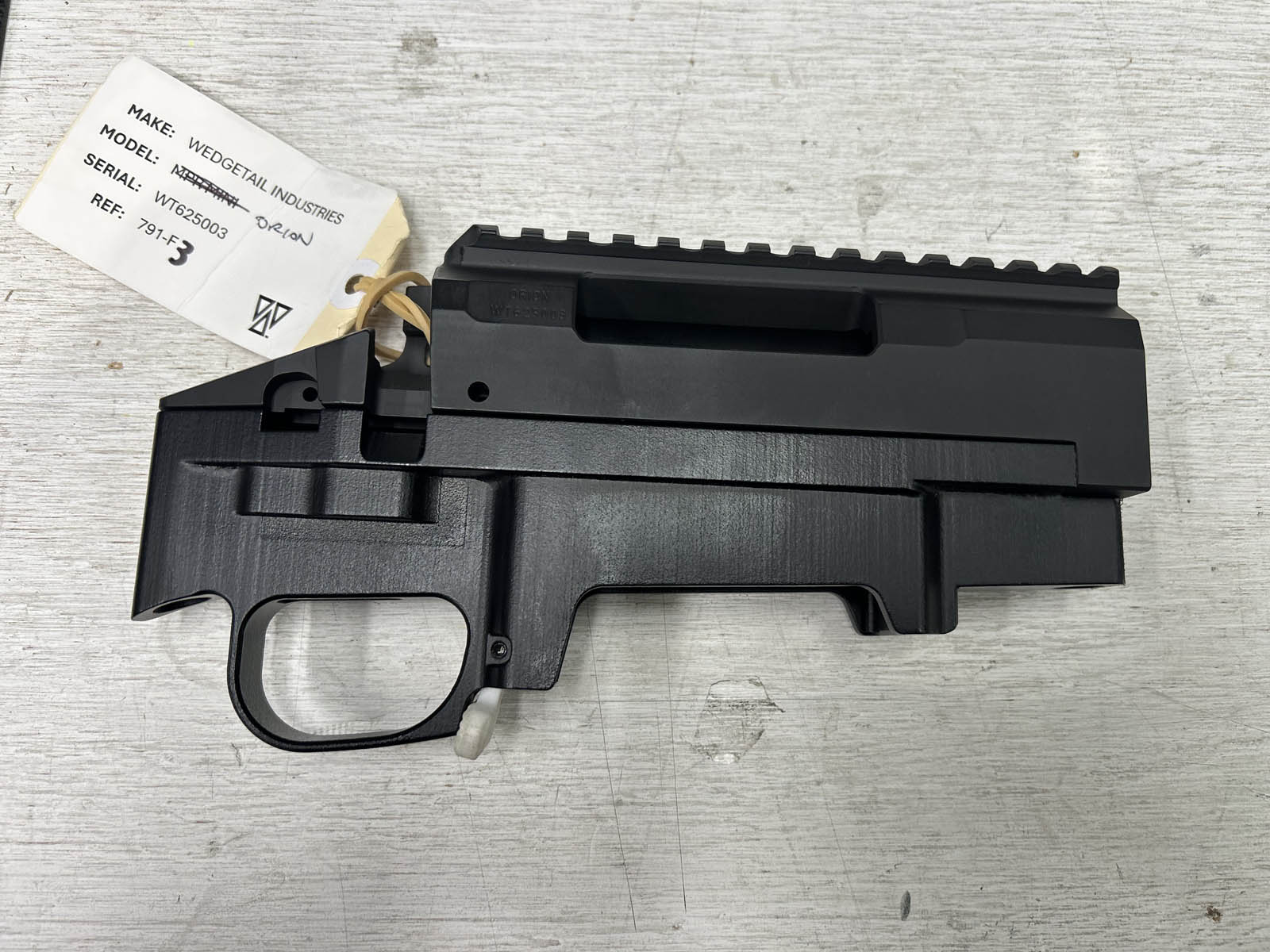
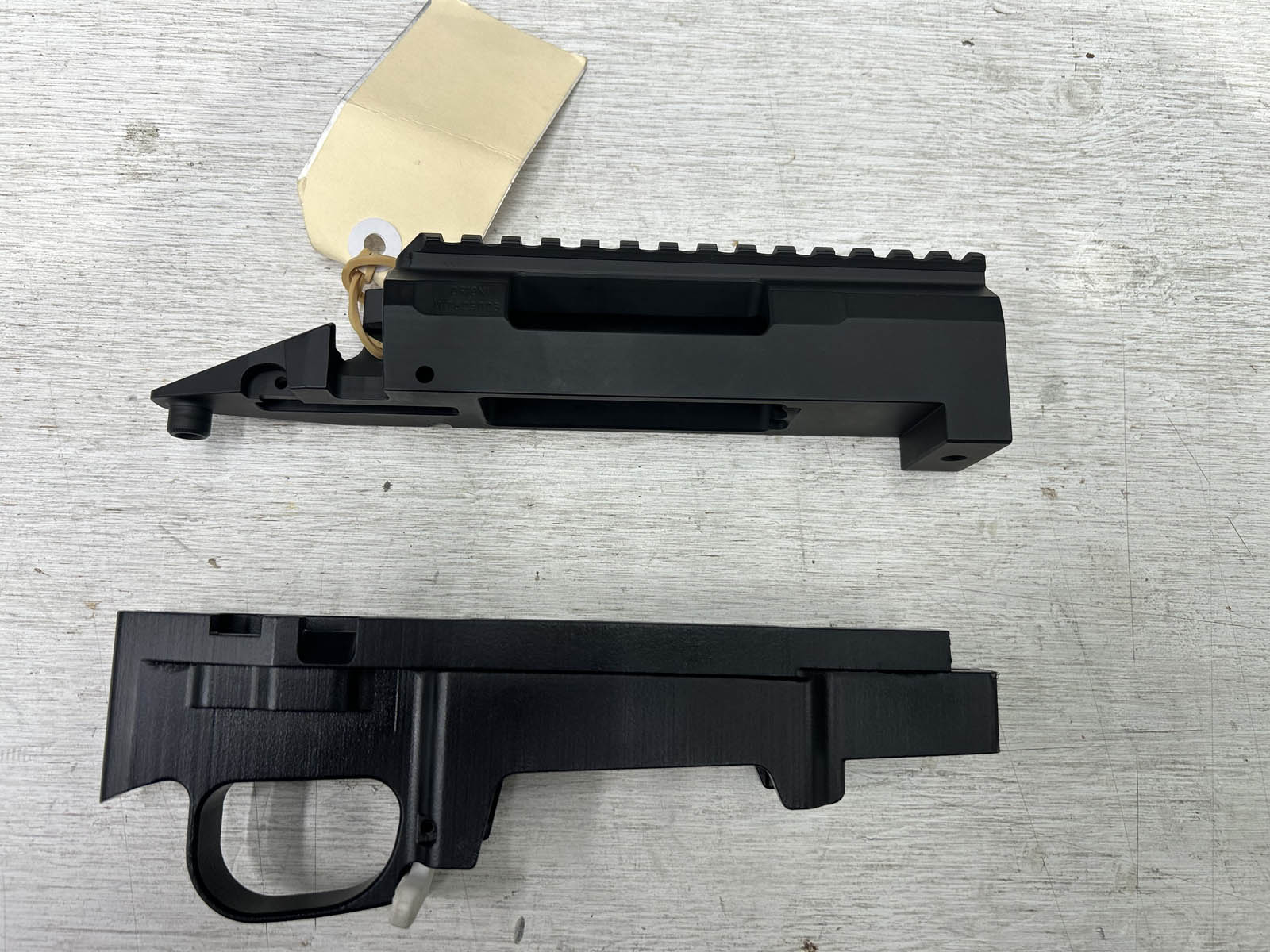
As such, the receiver in effect just provides an interface between the barrel extension and bolt head, with all the action locking done between these two assemblies. Apart from providing a bedding platform, the only other function the receiver has is to hold the trigger group. As a result the receiver can be alloy, as can the bolt body, all of which provides an efficient weight saving.
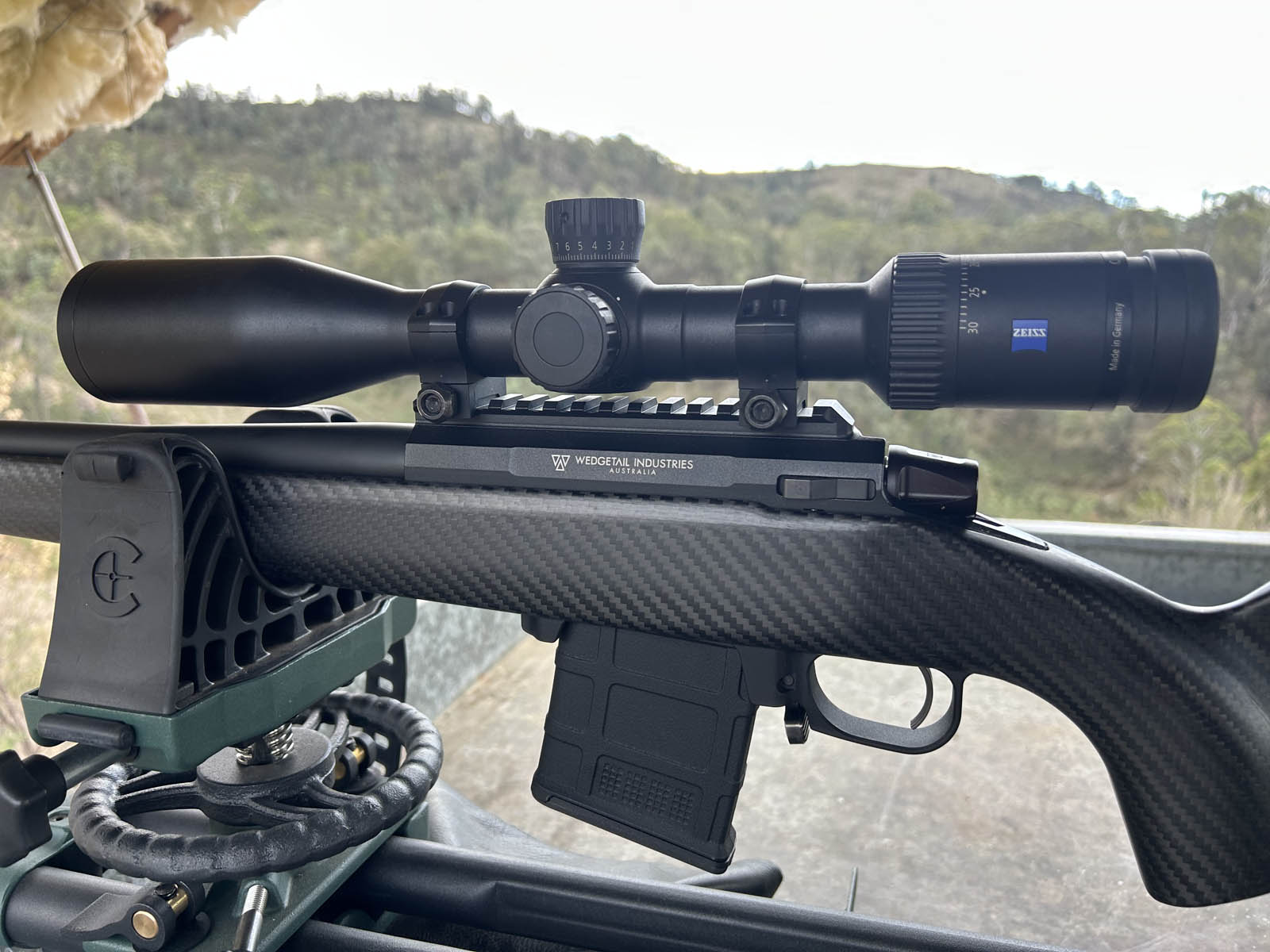
The receiver is also quite different as there are effectively two parts to it. Wedgetail describe this as mini-chassis bedding, where the bottom of the receiver has matched mating surfaces to an alloy ‘mini-chassis’, which in turn is bonded into the gun’s carbon fibre stock. This provides a solid interface to ensure “repeatable accuracy and retention of zero”.
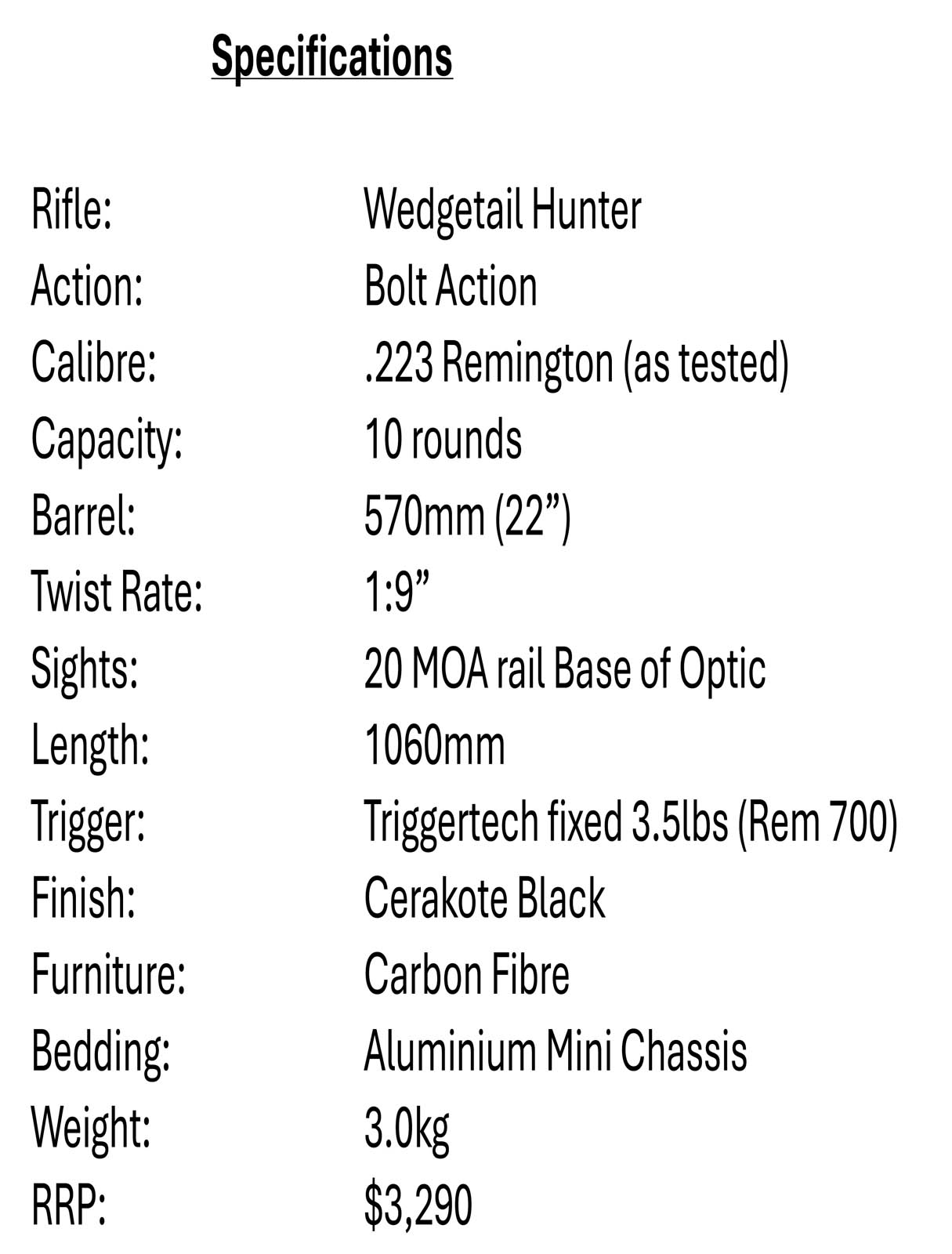
It also serves as the bottom metal and there’s no separate plate or guide for the magazine housing, this along with the trigger guard and magazine release all being integrated into the ‘mini-chassis’. In full-sized calibres the Orion uses AICS compatible magazines in double-stack, single-feed format, the test rifle chambered in .223 Remington and coming with a single-stack 10-round AICS Magpul PMAG.
The rifle uses the well-proven Remington 700-style trigger, in this case a TriggerTech unit, specifically their Duty model featuring a fixed 3.5lb let-off. For a hunting rifle I’ve always felt around 3lb is about the best compromise, so at 3.5lb we’re not far off. And I’m assuming having a Rem700 trigger footprint, options are almost endless for those who must tinker.
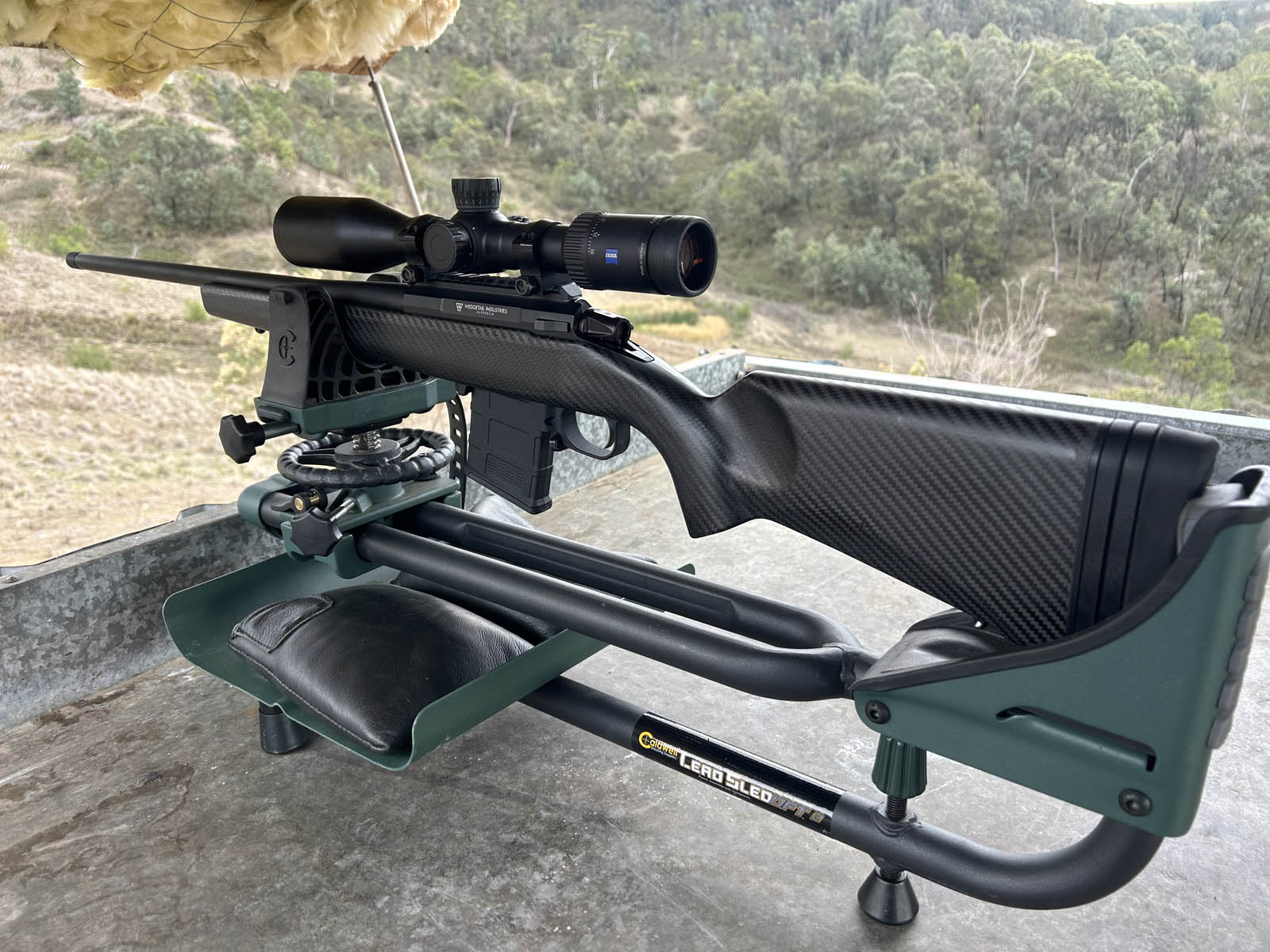
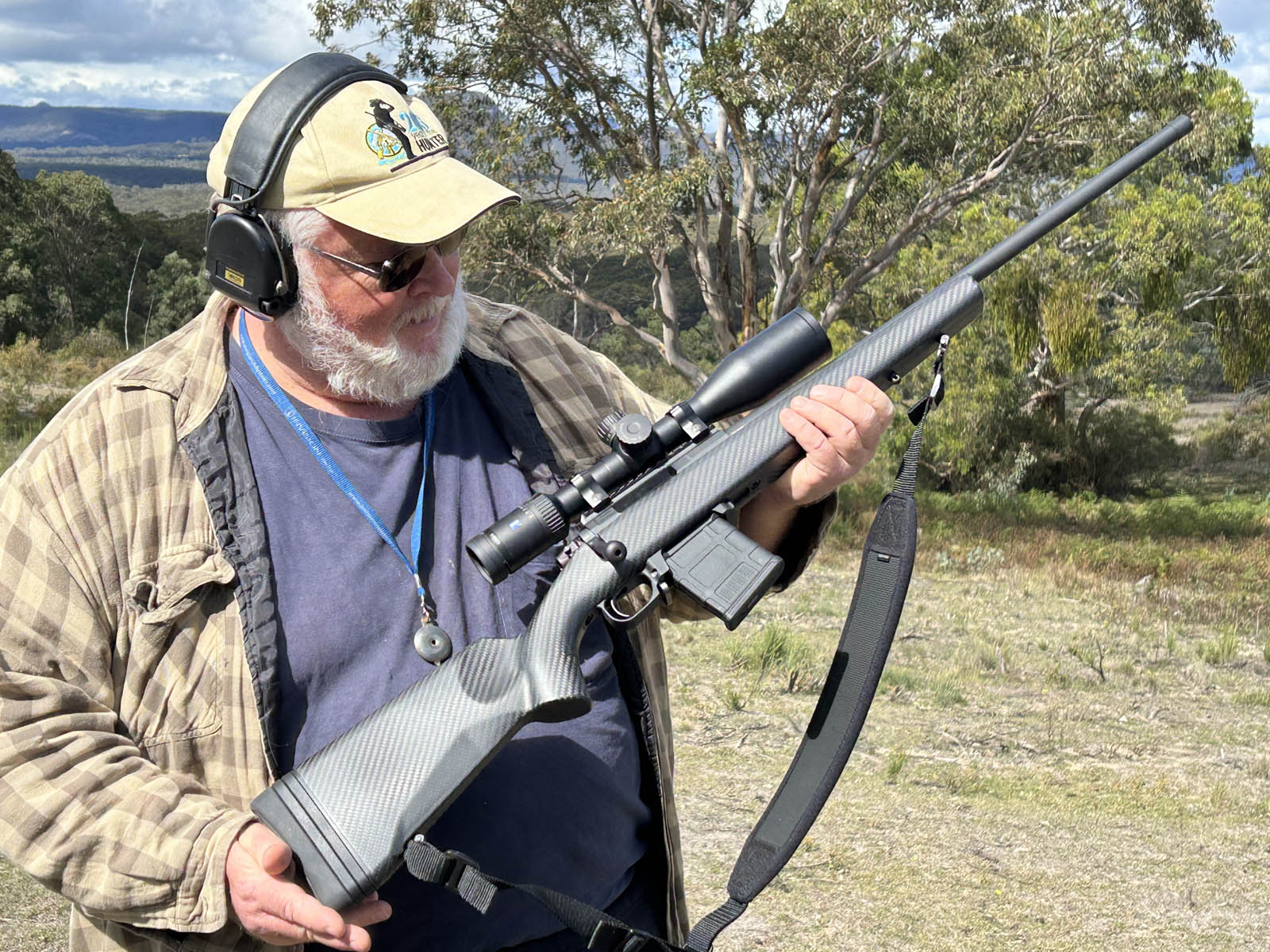
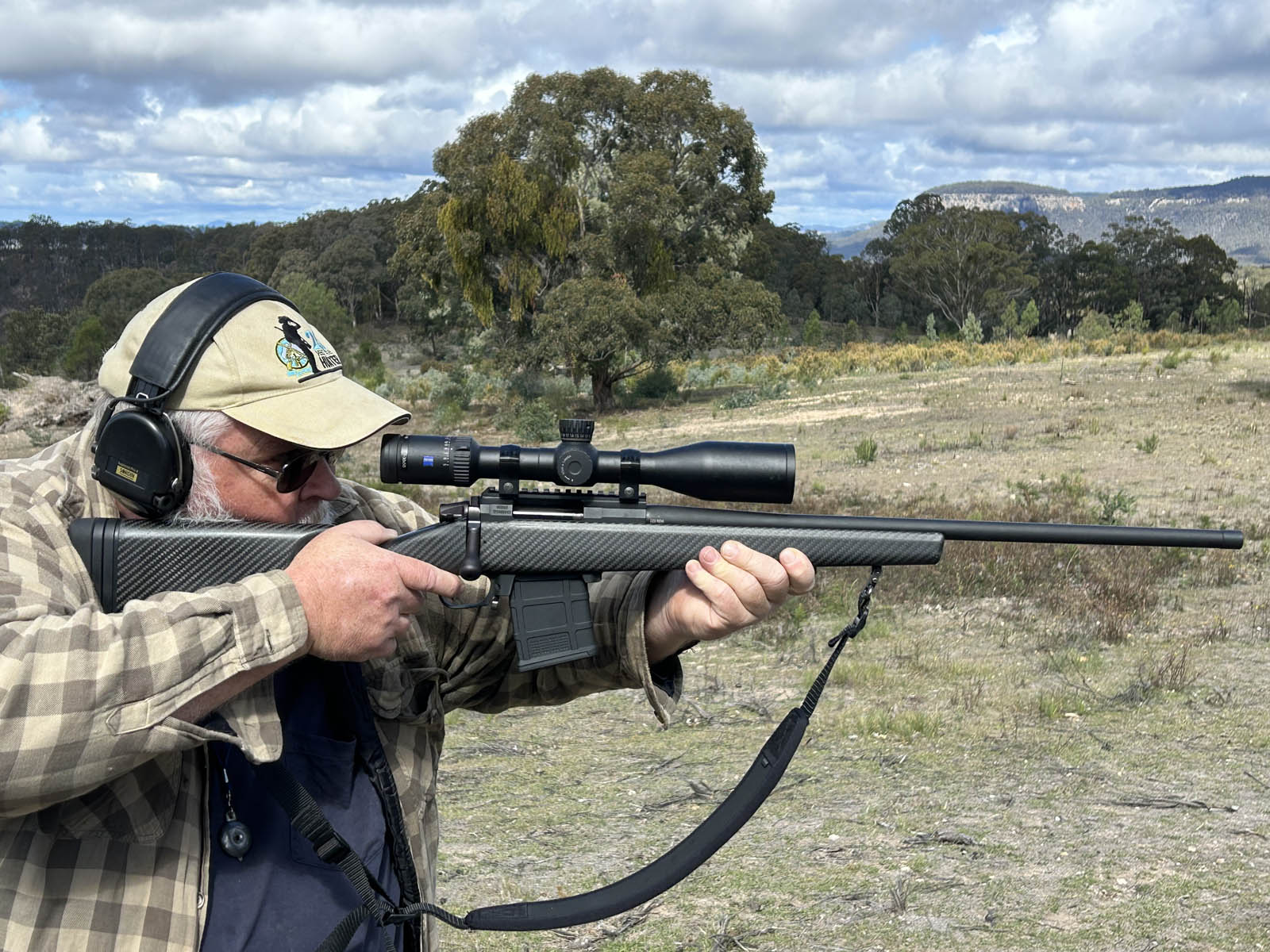
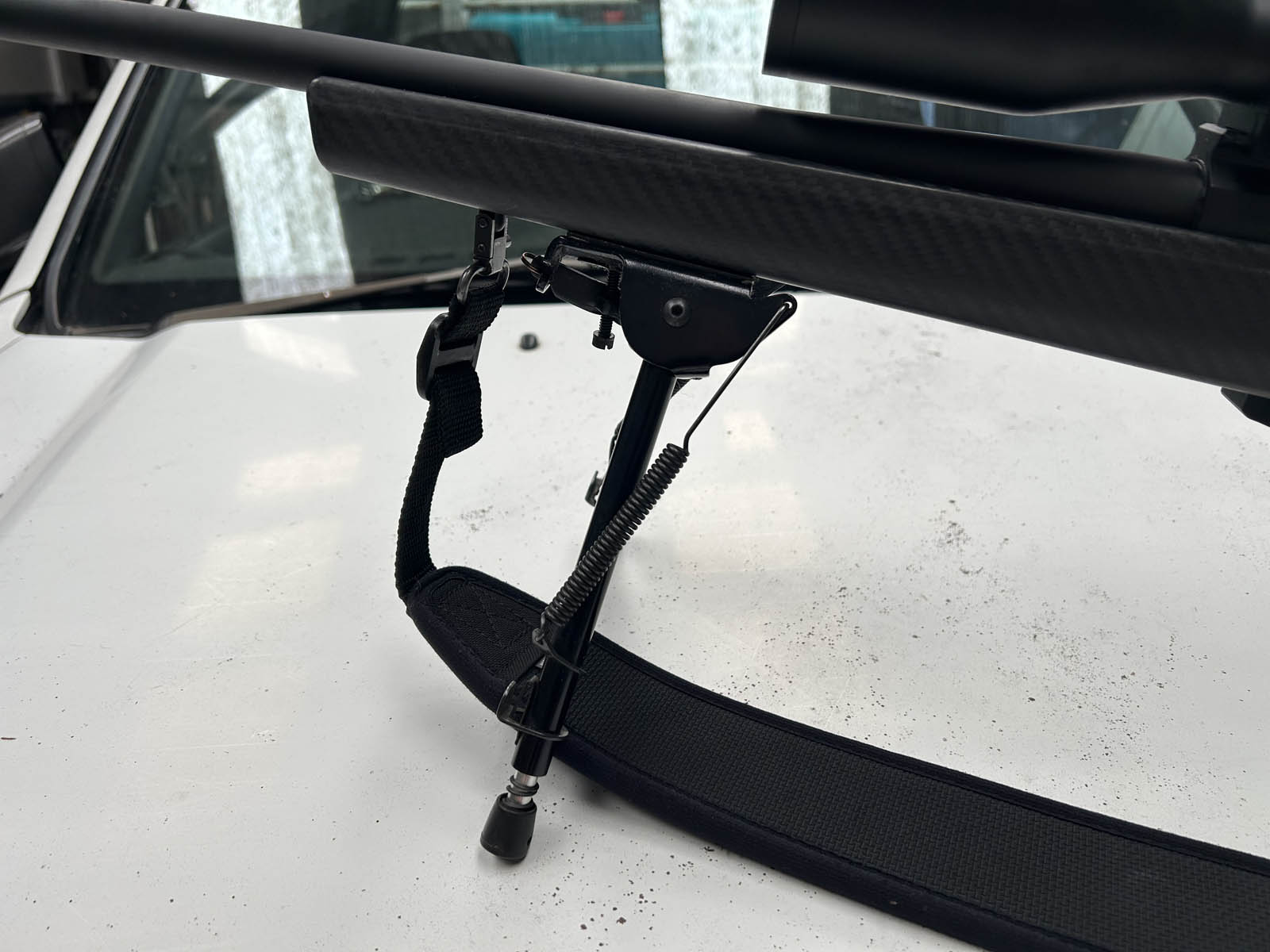
The stock is a Wedgetail design made of carbon fibre with a smooth finish devoid of grip panelling. It has moderate palm swell and is cut ambidextrous, as the rifle’s also available left-handed. It’s adjustable for length of pull via spacers with a reasonably soft rubber recoil pad and there are three QD studs, one rear and two forward for both sling and bipod.
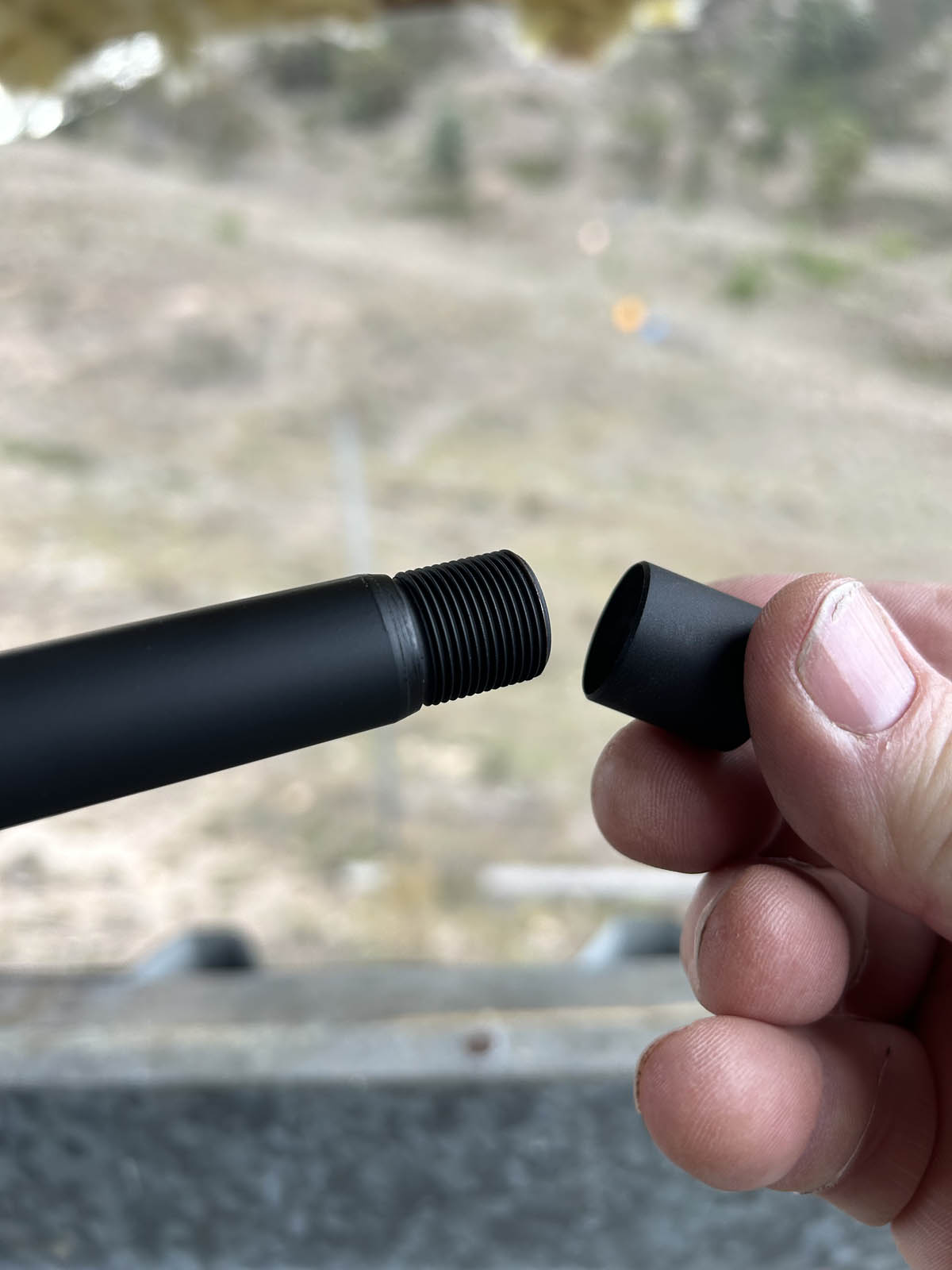
The free-floating Lithgow-made barrel is cold hammer forged and 22” (570mm) long, threaded at the muzzle presumably for a Wedgetail suppressor where permitted. Crowning the receiver is a 20 MOA Picatinny rail for optics mounting, while the whole rifle stands 41.7” (1060mm) in overall length and weights around 3kg.
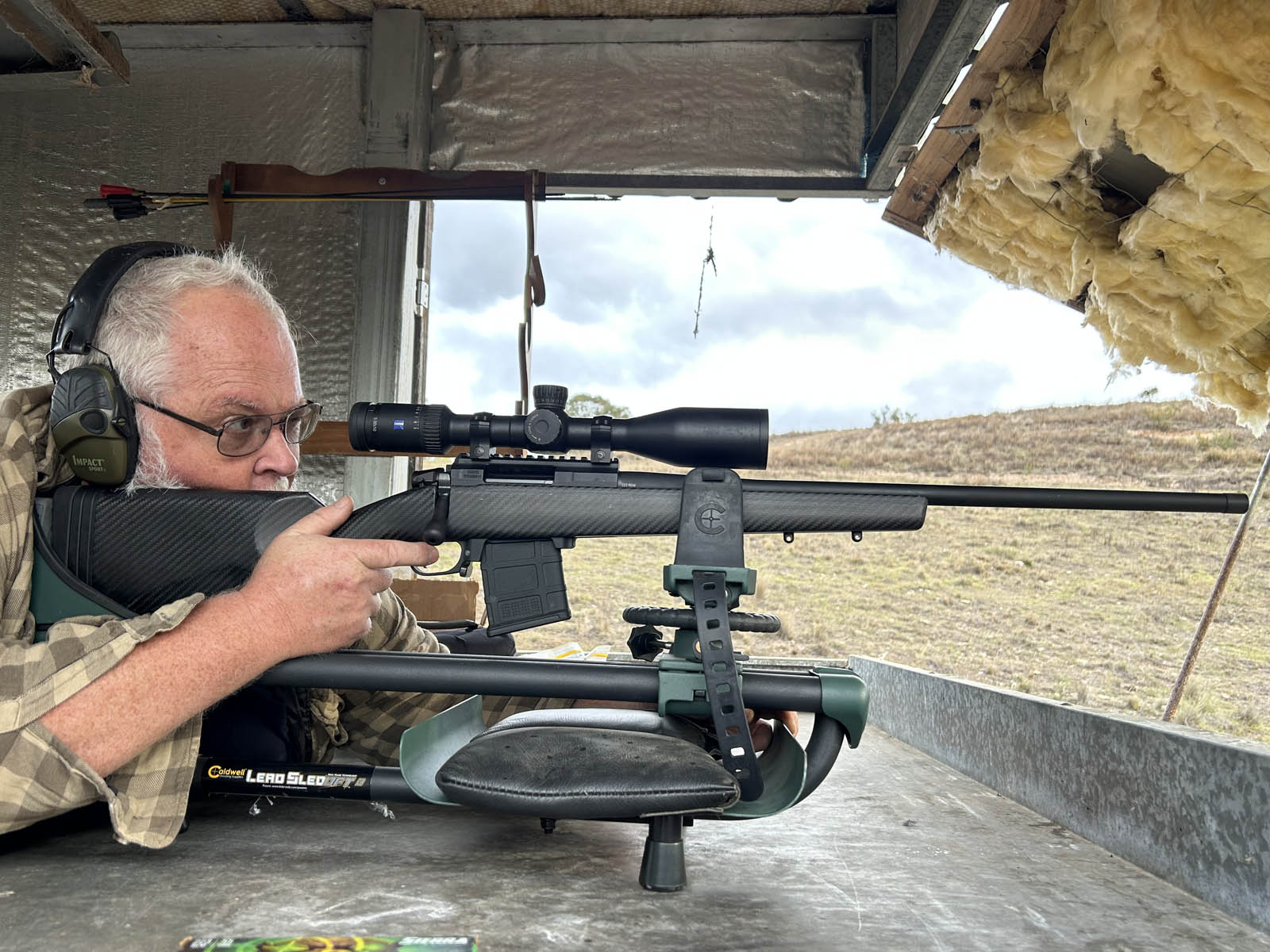
A quality rifle deserves a quality scope, so for testing I mounted up a 6-30×50 Zeiss Conquest V6 in a set of 30mm Element mounts. On the range I had it all zeroed in pretty quick time and set about shooting some groups. When I collected the rifle it was a brand new, random box selection out of their armoury, so hadn’t been fired outside of the manufacturing function test and not run-in at all.
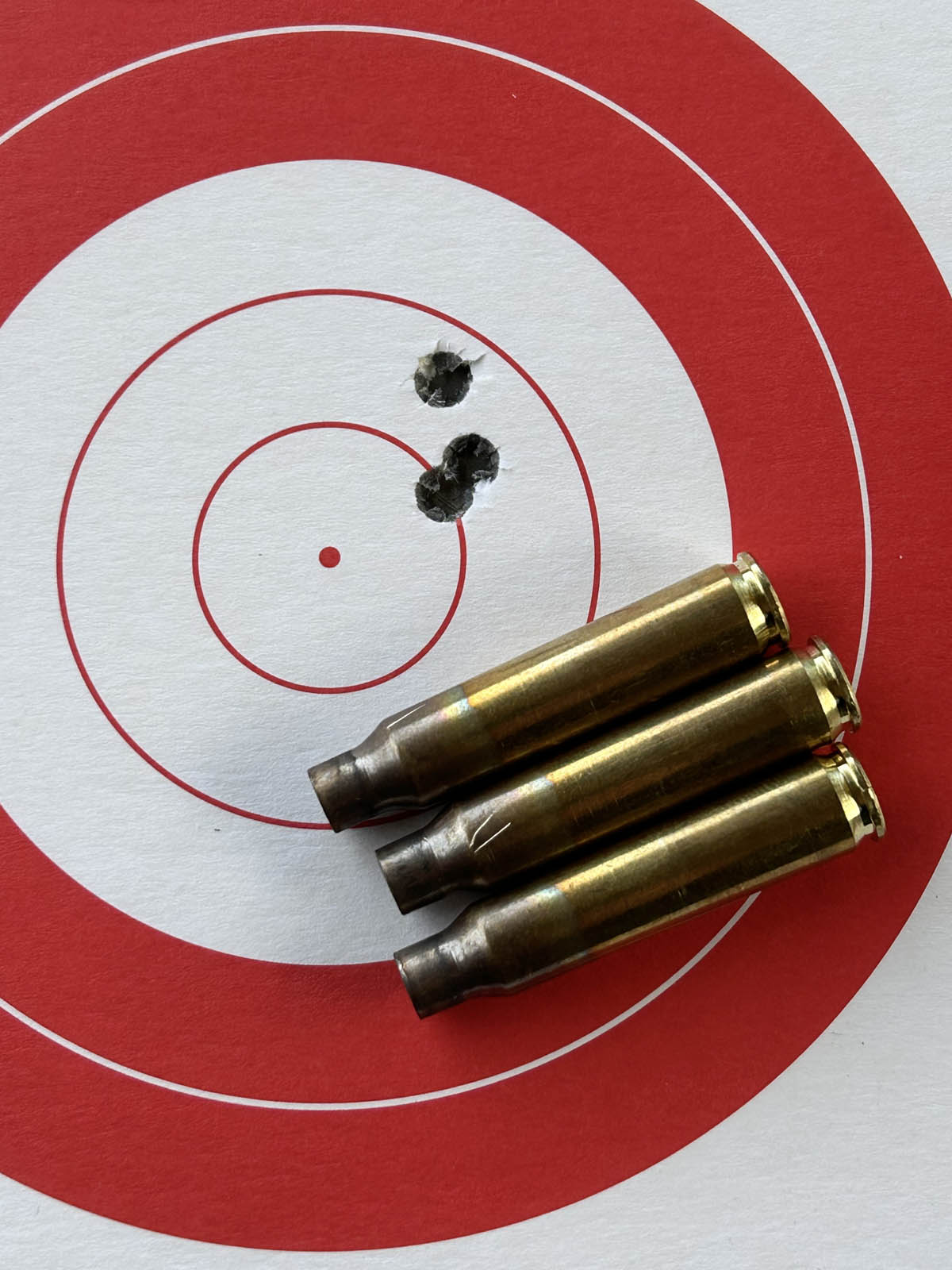
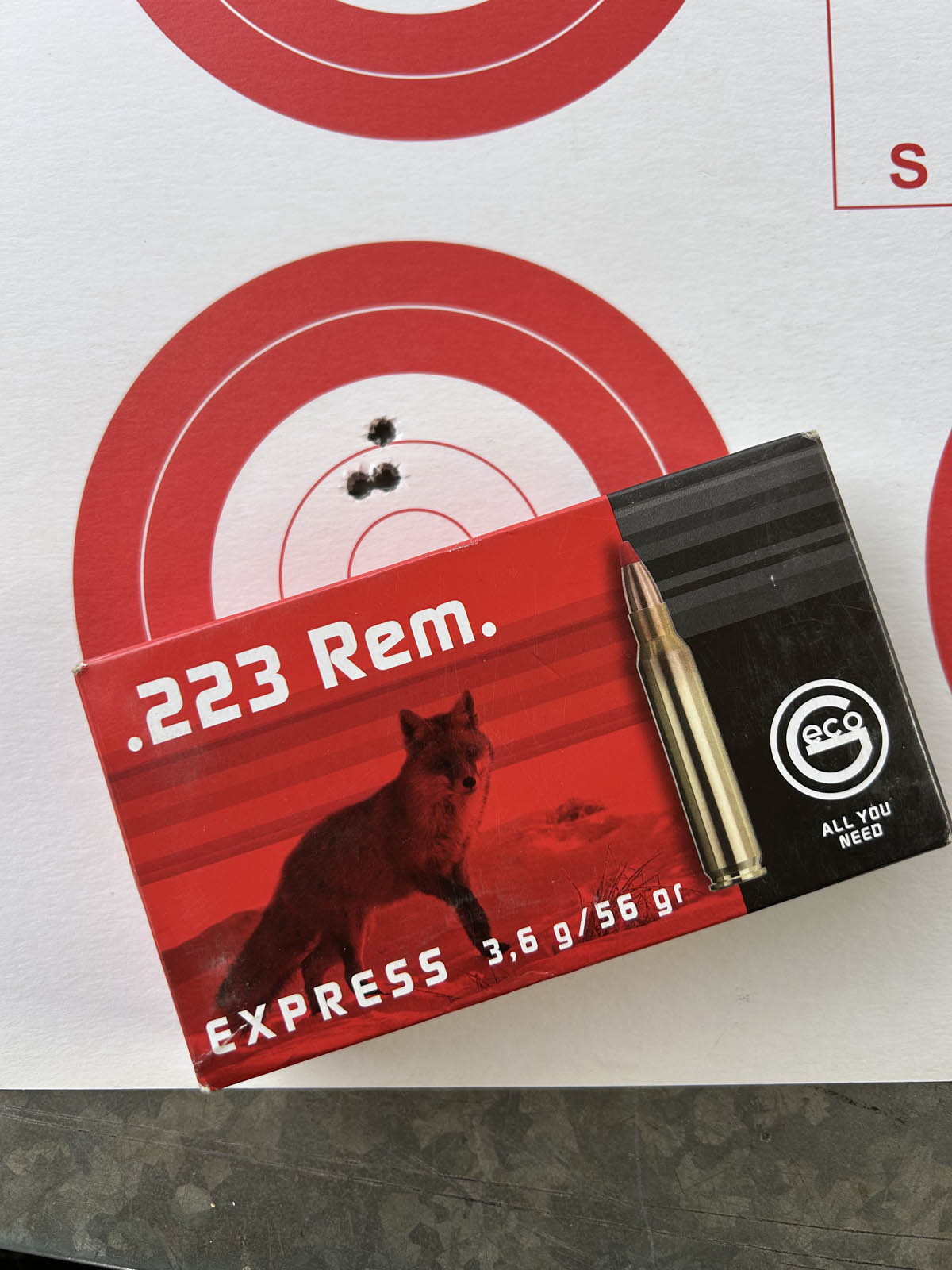
On my first outing accuracy was reasonably good, averaging just above the one MOA mark. The rifle comes with a sub-MOA guarantee and I was pretty sure things would tighten up after a good few rounds downrange, so I spent some time ringing steel plates one afternoon. Just the ticket as on the next outing the gun really started to show its true colours. Granted with the cost of ammo I was down to shooting three-shot groups, yet they were regularly under the half-MOA mark. Interestingly it particularly like ADI ammo, one five-round sub-MOA group landing the first three in 0.2 MOA. Aussie ammo for an Aussie rifle it would appear.
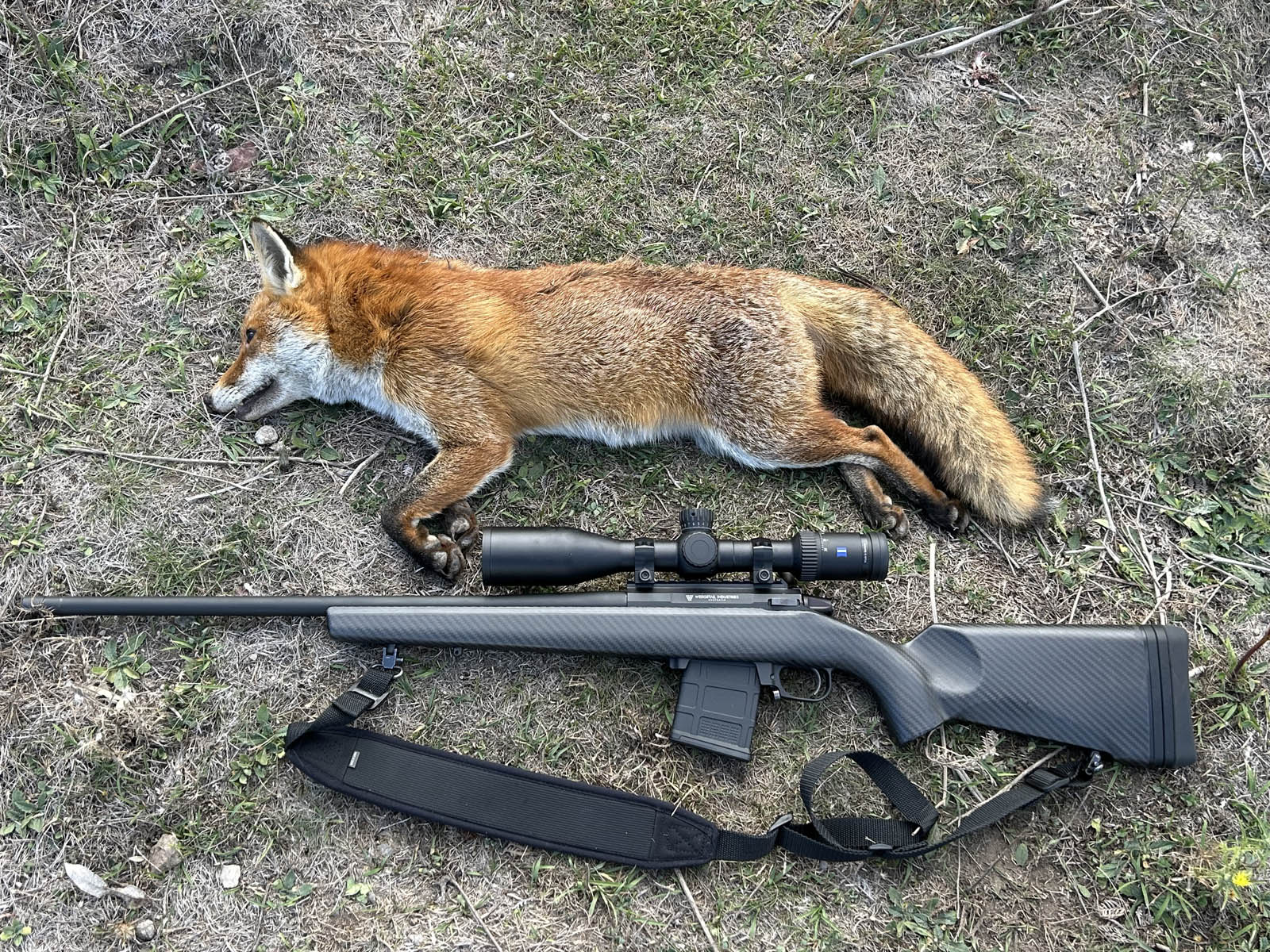
Three kilos is a nice weight for a hunting rifle and the Orion Hunter was a lovely piece to carry afield. It’s been a while since they baited up around my farm, so the local fox population has started to thicken up. I had a FoxPro electronic call to take for a run for an upcoming review, so thought I’d kill two birds (or hopefully foxes) with one stone so to speak.
Calling them in is generally something I like to do over my Remington 1100, just the thing when they come in fast and close from cover and retreat just as quickly. However, if the stand is more open there’s always the odd dog that wants to sit back and view proceedings from afar before trying his luck. So two guns can work a treat and that’s exactly what was needed on my second stand.
With the call squealing to the tune of a dying rabbit, a redcoat approached from four o’clock, so over the left shoulder. He sat just outside some bracken fern with about 130m of clear ground between us. My daughter, who’d accompanied me, spotted him off to the side and, as a younger dog, I’m not sure he knew what we were. The Orion Hunter promptly remedied that issue.
A trend towards full chassis-type stocks has left a few modern designs quite heavy for field use, so I feel this new ‘mini-chassis’ system, as Wedgetail refers to it, may have legs. You basically have the benefit of a complete inert bedding system without excessive weight.
If I wanted to be super-critical I can’t say I’m a fan of the AISC-style mag in .223, which leaves you with a longer than normal single-stack magazine sticking out the bottom (you won’t zip up a normal gun bag with it installed). A standard STANAG-type 10-round P-Mag would be a better option in .223, though of course would involve a completely different bottom end for small-length calibres. In medium-length actions such as .308 this isn’t an issue, with the AISC-type single-stack, double-feed magazine system being an excellent standard.
Naturally under the current regulatory ambiguity that’s Australian gun laws, it’s quite a difficult market to be launching a new rifle into, yet the Orion will have the advantage of being compliant in all states. With an RRP starting from around $3290 it’s in the premium category for a bolt-action rifle. Then again, where many states maybe facing ownership limits, quality over quantity might be a theme that runs true.