

Brendan Atkinson salutes typical German efficiency
In many sporting pursuits, one manufacturer often dominates with the equipment chosen by the winners and, in the shooting sports, particularly rimfire events, the name Anschutz is more often than not at the top of the list. Whether it be national, Commonwealth or Olympic competition, it’s the brand of choice for many successful competitors. Founded in 1856, after six generations it’s still a family business based at Ulm in Germany.
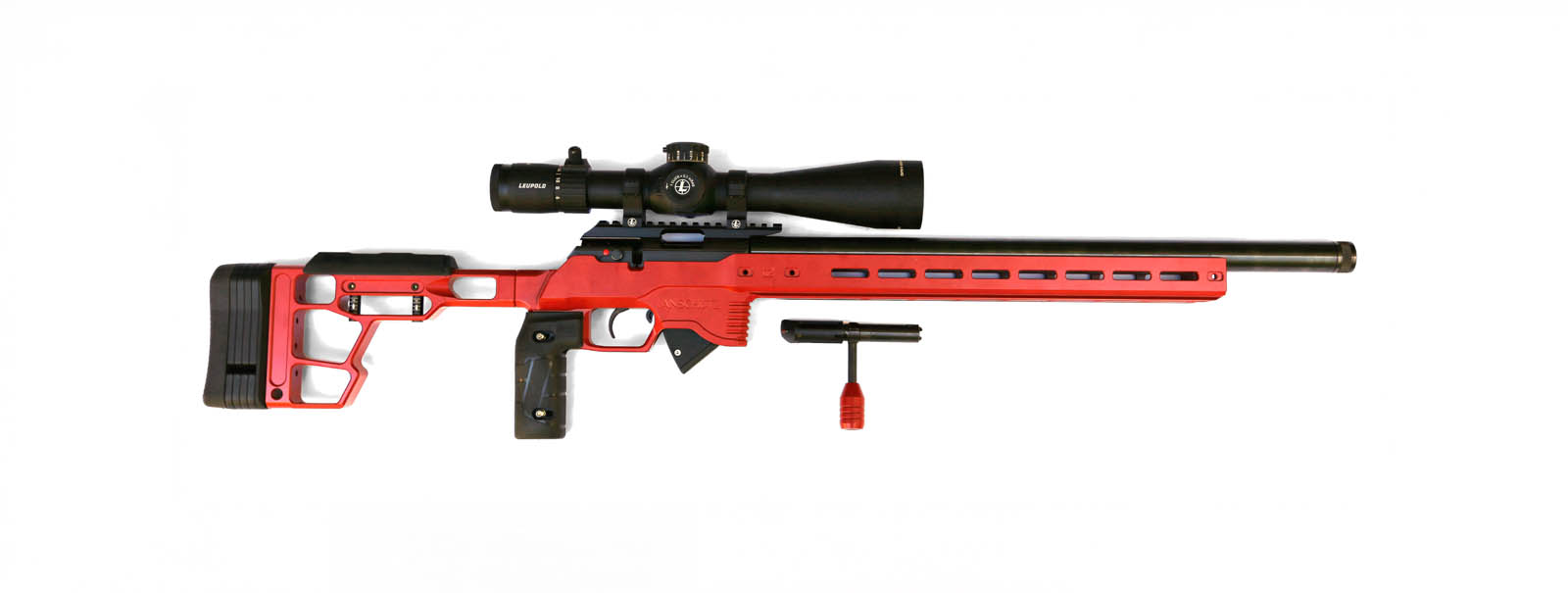
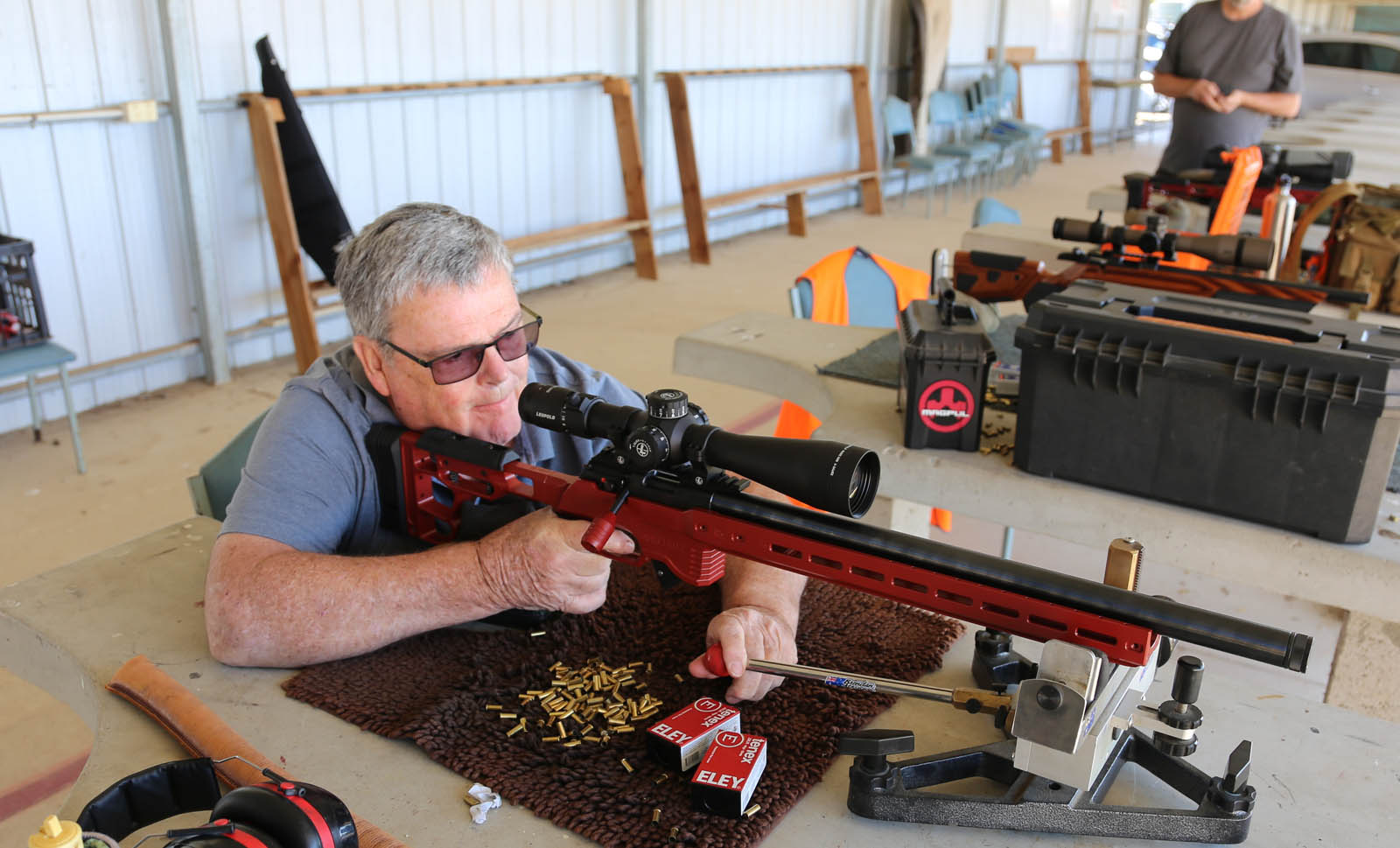
The rifle in the spotlight here is their Model 1761 ATR, designed for Precision Rimfire Rifle shooting. PRS as it’s known has a strong following in Australia and requires an accurate rifle and a certain degree of fitness to compete. So much so I’d call it at a sport for younger people (something I remember fondly), with the average age of competitors being far lower than most other SSAA disciplines. Rather than try to explain how this event is shot, I recommend readers visit YouTube and search for ‘2025 Precision Rifle Rimfire World Championships’. Held in the UK, the link is well worth a look and not just because it was won by an Aussie.
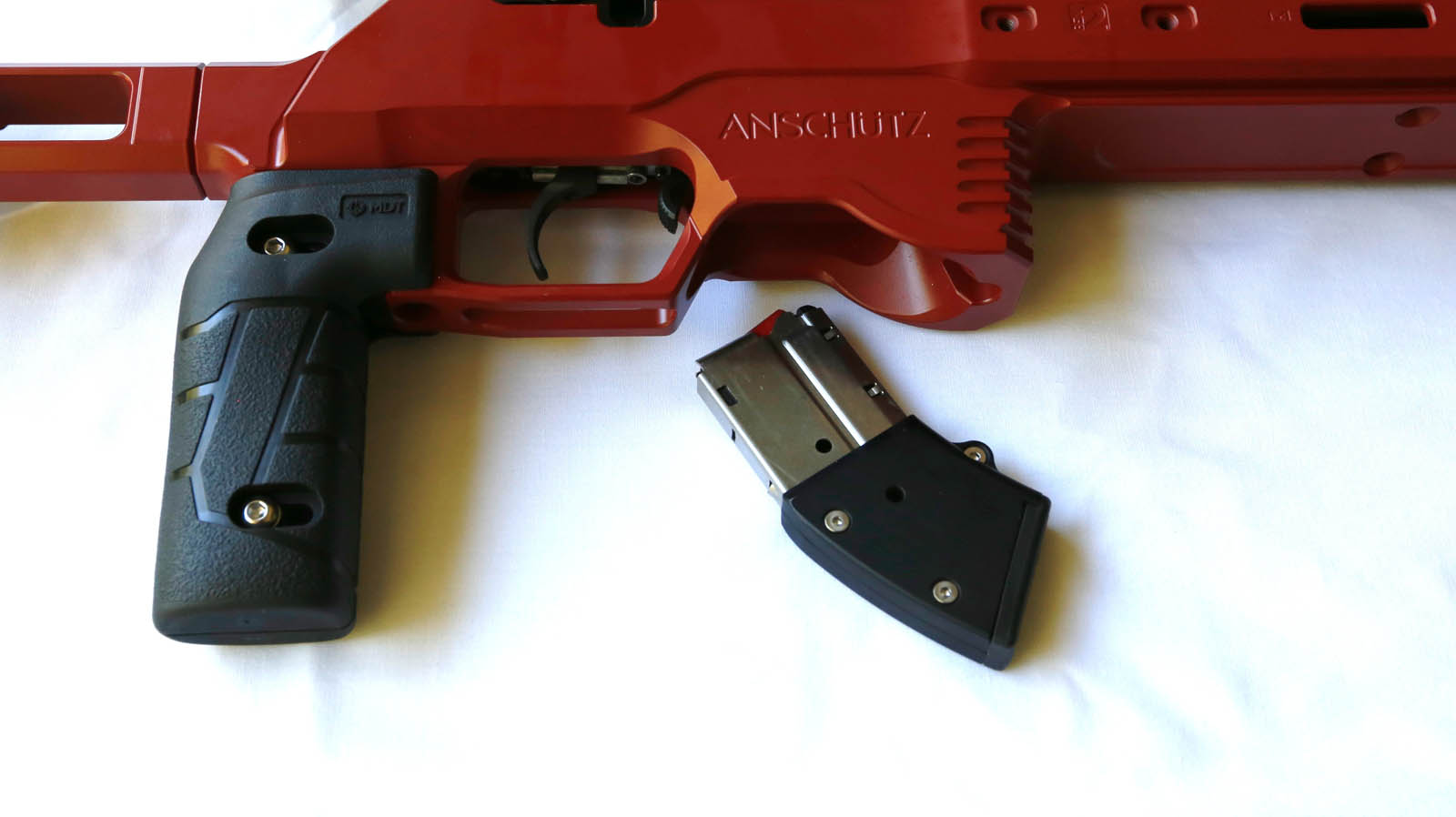
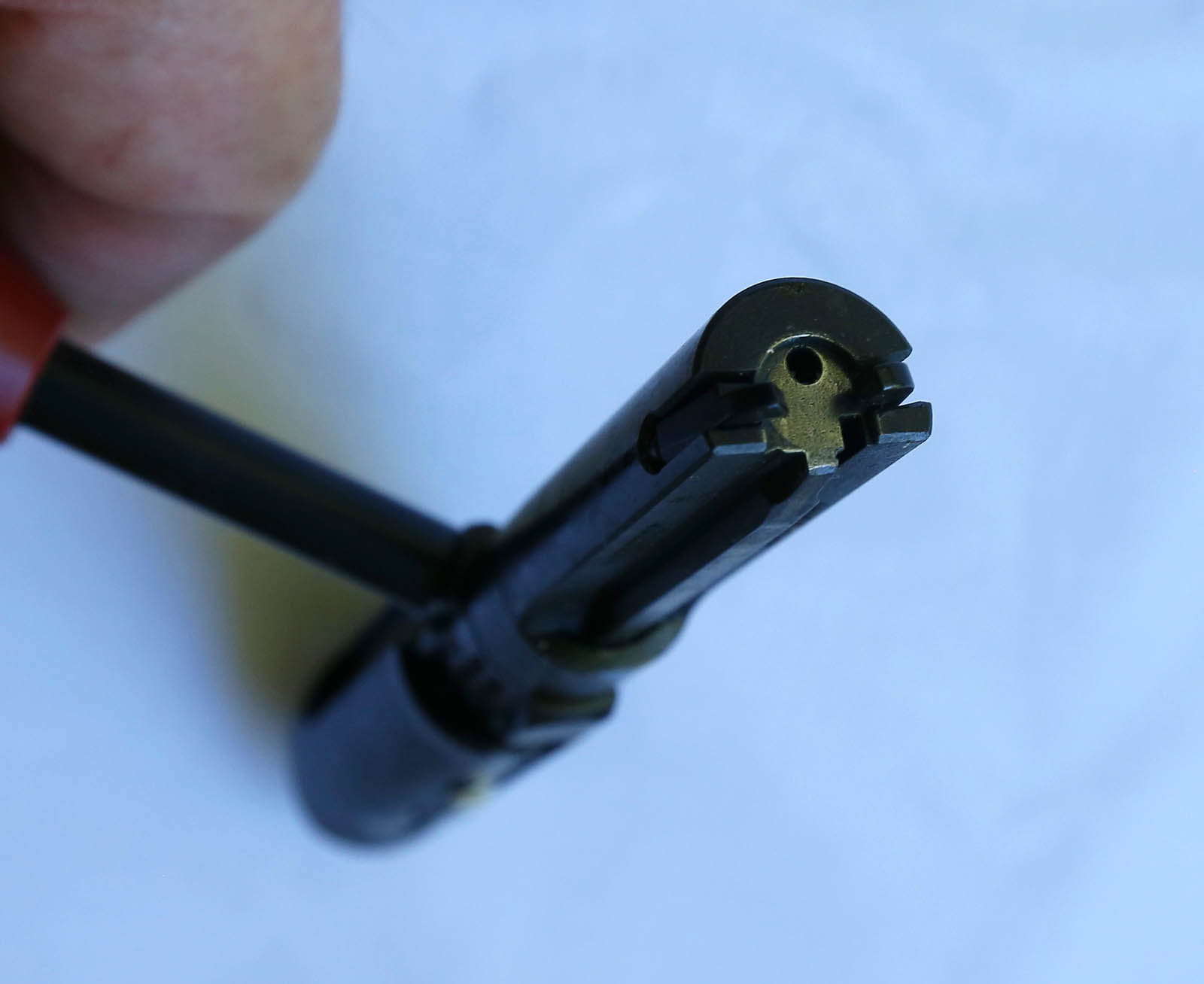
The 1761 ATR is a bolt-action rimfire, the bolt having a QPQ coating which makes for a very slick operation, essential in PRS competition. The three-lug bolt has a single firing pin strike and twin extractors with a red cocking indicator at the rear, while the trigger is a 5061 level D and fully adjustable, though more on that later. The magazine will hold 10 rounds of rimfire ammunition with the release button conveniently placed just forward of the trigger and, after the last round’s been fired, the magazine follower acts as a bolt stop, a handy innovation.
Immediately noticeable is the very heavy barrel which is 28mm diameter straight taper and 560mm in length. It’s hammer forged, features a twist rate of one turn in sixteen inches and is threaded at the muzzle to allow fitment of accessories such as tuners or a suppressor (where permitted).
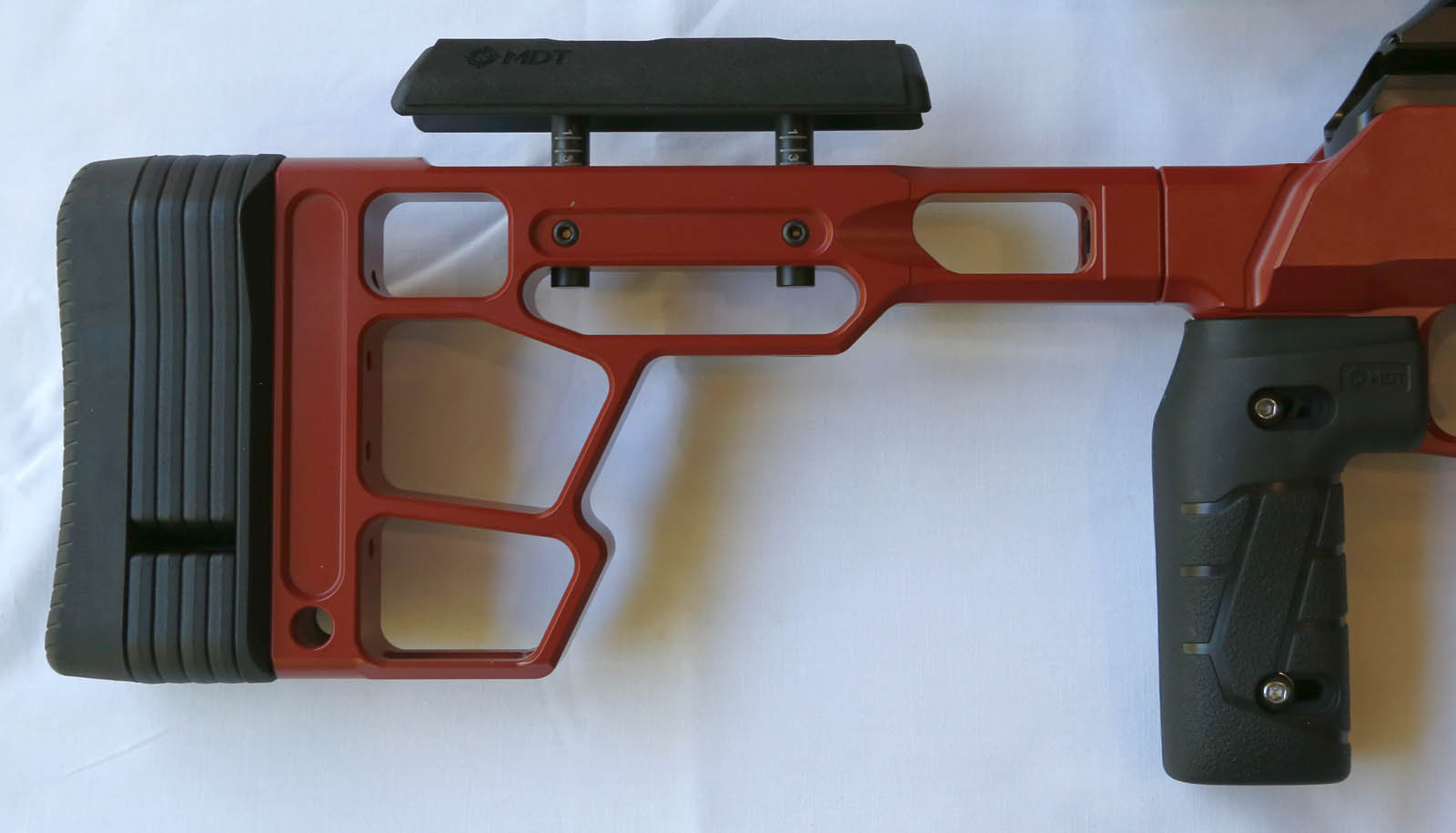
The quite striking stock is called Crimson Red for obvious reasons, is manufactured by MDT and is the ACC Premier Gen 2 chassis system. Starting from the rear the recoil pad is fully adjustable for length of pull, while a cheekpiece on top can be adjusted for height and fore and aft settings, done with an Allen key. The large pistol grip appears to be made of plastic and can also be adjusted fore and aft as well as tilt. The action sits snugly in the stock in an intricate bedding system and, if add-ons such as bipods etc are required, they may be attached using the slots provided.
Range testing
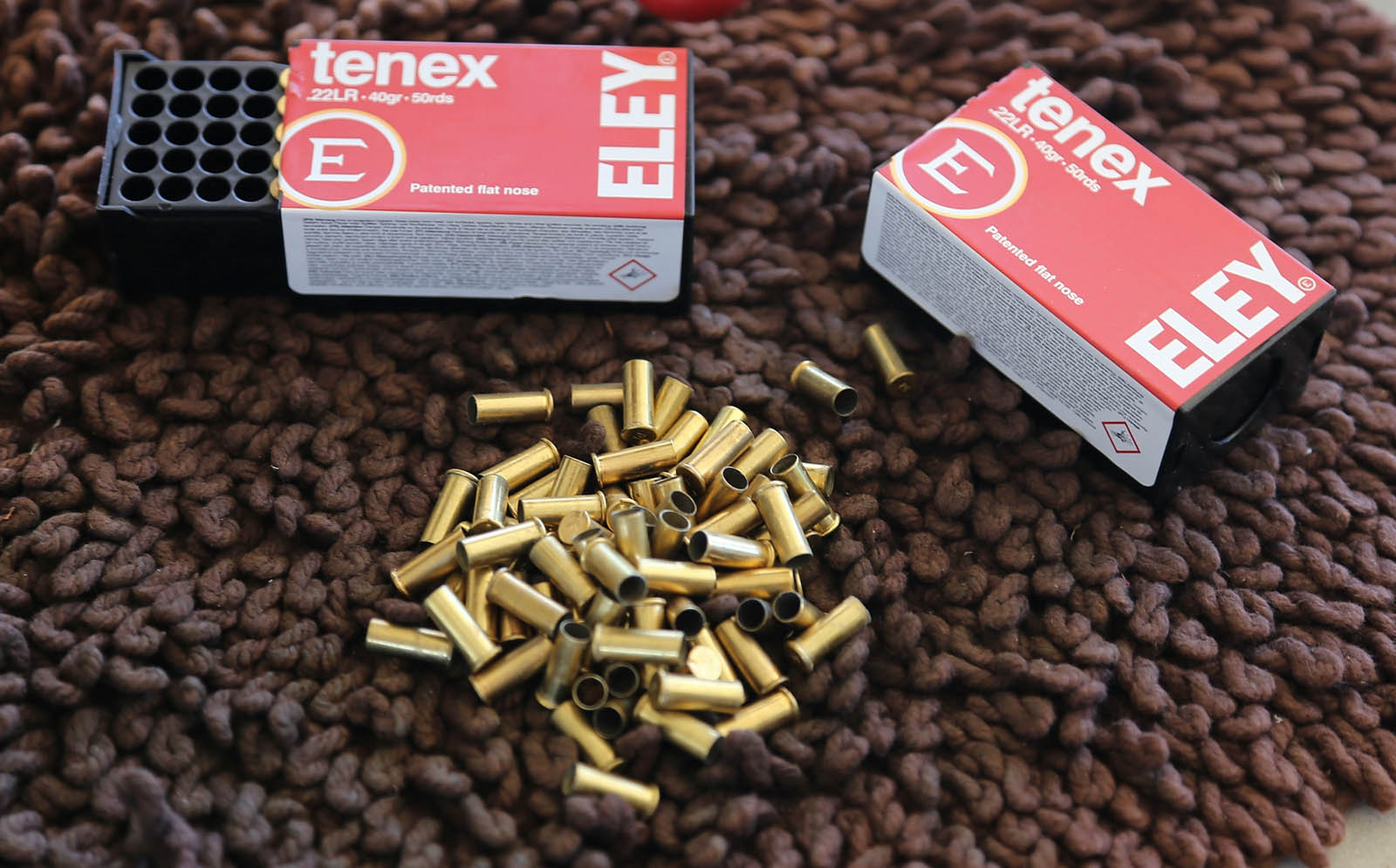
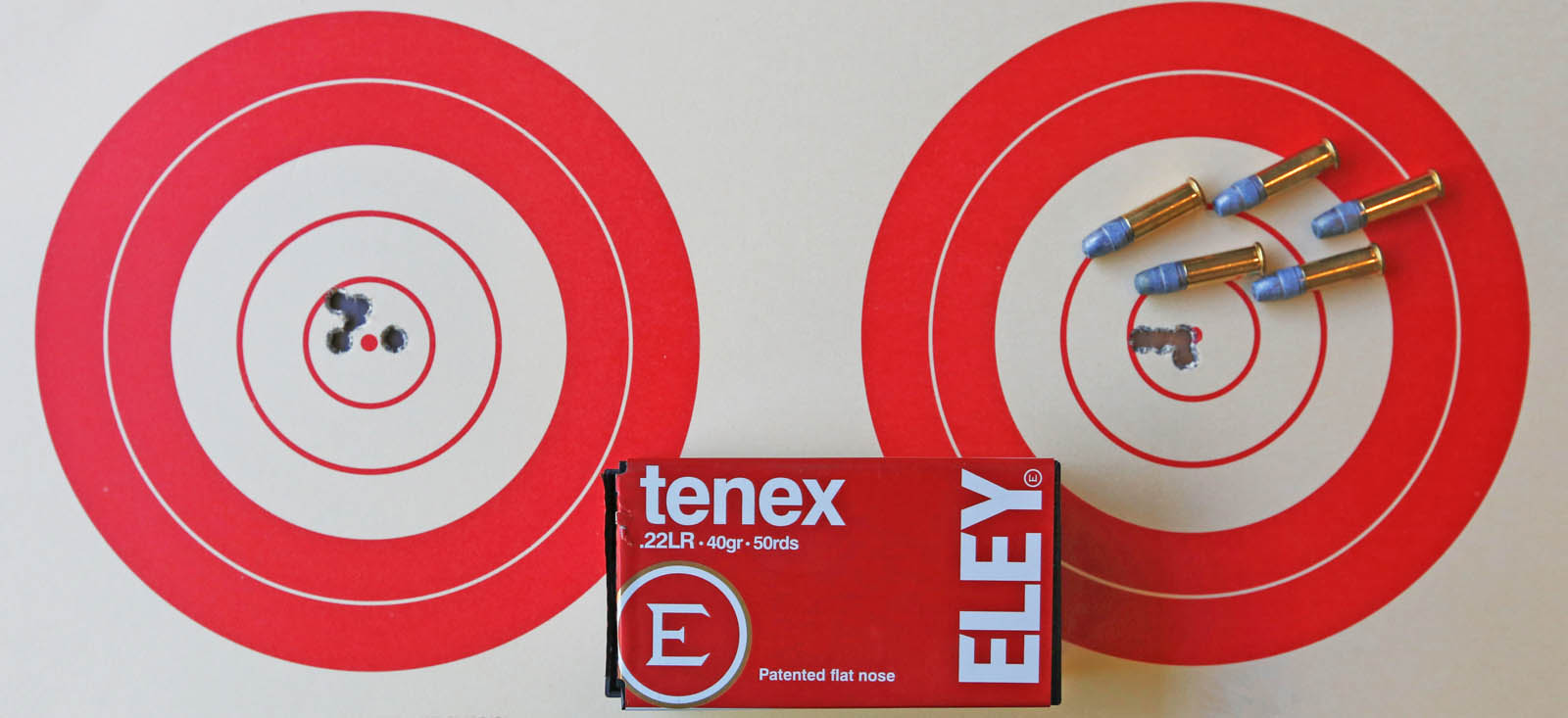
Accuracy testing was done at the SSAA Monarto Range at 50 and one 100m. Shooting longer distances would’ve been pointless due to the windy conditions and wouldn’t have given a true demonstration of the rifle’s capabilities. I enlisted the help of Paul Bristow who regularly shoots PRS and coincidentally uses the very same rifle. We were keen to see how the two compared, as rimfires can be fussy with ammunition and sometimes what shoots in one gun won’t perform as well in the other. We used Eley Tenex as supplied for testing. This is top quality stuff which needs no introduction and is shot at the highest levels of rimfire competition (I understand it retails for around $50 for a box of 50).
The trigger is a two-stage and let go crisply at each shot and it’s claimed they can be set at between 750 and 1200 grams. The trigger’s adjustable of course, though being a test rifle I chose not to alter it. The one on Paul’s rifle has been adjusted to be of single-stage and extremely light. It’s a matter of preference how it’s set but extreme care must be taken when adjusting triggers.
A good firearm deserves a good scope and the rifle came from distributor Nioa fitted with a Leupold 4HD 6-24×52. This is an excellent piece of equipment which enabled us to clearly see bullet holes at both distances. There’s no substitute for good optics and while this one will set you back around $2900, if you buy the best once you’ll cry only once. I’d note however this scope has a 34mm tube and needs appropriate rings to suit. The Picatinny-style base appears to have MOA slant to allow for sighting-in at longer distances, remembering PRS rimfire can be shot out past 200m and requires considerable vertical adjustment.
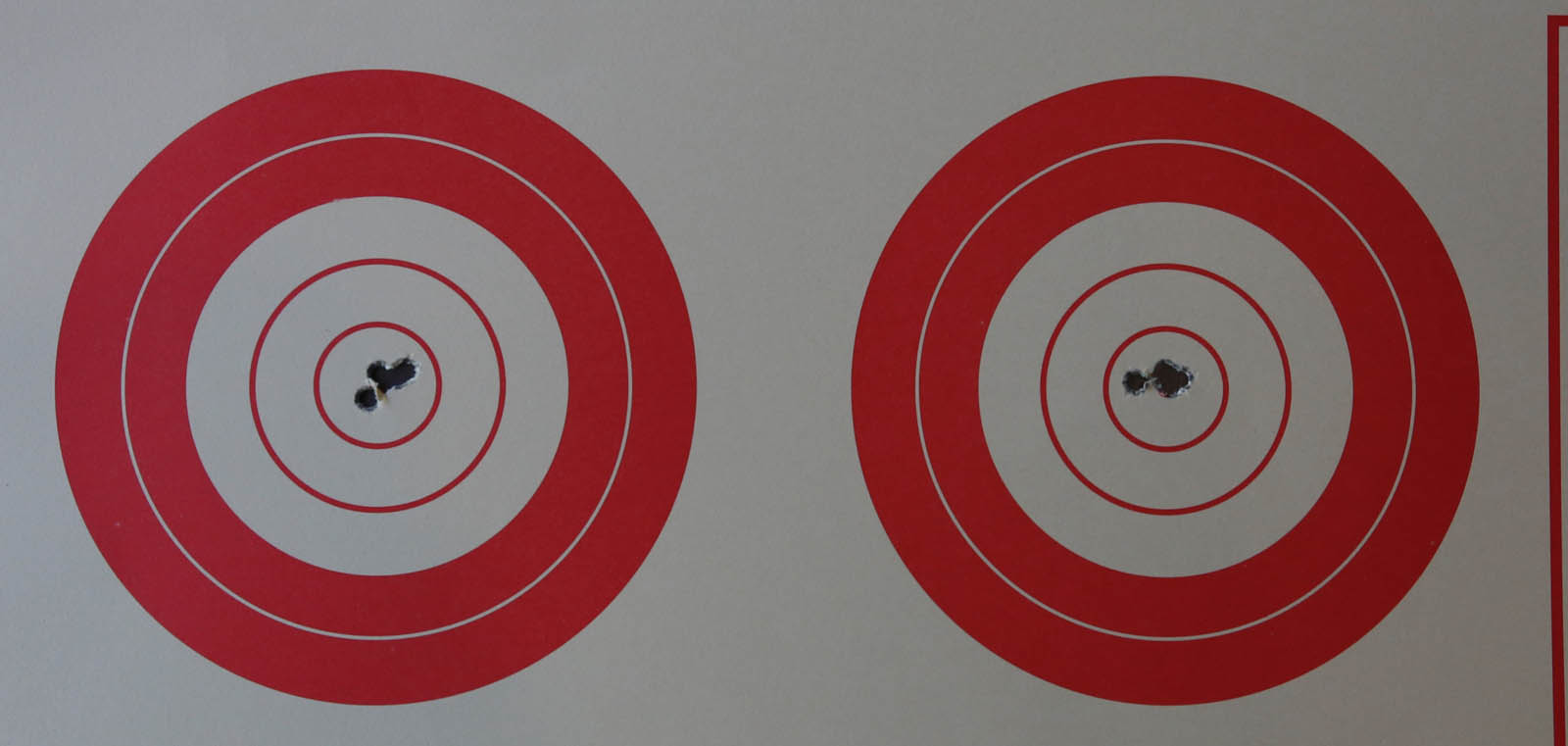
After running a couple of patches through the barrel, shooting commenced and, as the rifle had already been sighted-in, a five-shot group had us under way. The first four went into a ragged hole and the fifth stepped out, yet the whole group covered just over two-tenths of an inch. This set the tone as many groups had one errant shot caught by the wind, though it soon became clear this was one highly accurate rifle. Paul, using a few different ammo brands, was also producing match-quality groupings.
The 10-shot magazine fed flawlessly throughout testing, which of course would be essential in a timed event. Even shooting as fast as possible didn’t present a problem with this outfit, the short bolt-throw and around 60-degree bolt lift contributing to this. This rifle was an absolute pleasure to shoot as accurate rifles always are. Recoil was negligible as expected with an outfit weighing just on 6.4kg as tested, while the MDT front rail rides well in sandbags. You wouldn’t call this a carry-around rifle, yet for what it’s designed it seems ideal.
Wrap-up
For those considering entering serious PRS competition or even just seeking a highly accurate rimfire rifle, this would be an excellent choice. Granted at around $6000 it’s not cheap (quality never is), yet treated properly it should last for many years. As ever though, do a bit of shopping around for the best price.
Specifications
Manufacturer: Anschutz, Germany
Action: Turn-bolt repeater
Bolt: Rear locking three-lug
Trigger: Anschutz 5061D multi-adjustable
Magazine: 10 rounds
Barrel: Cold hammer-forged, 560mm length, 28mm straight taper
Calibre: .22LR RF
Stock: MDT Premium Chassis ACC system
Length: 990mm
Price: Around $6000
Distributor: Nioa