


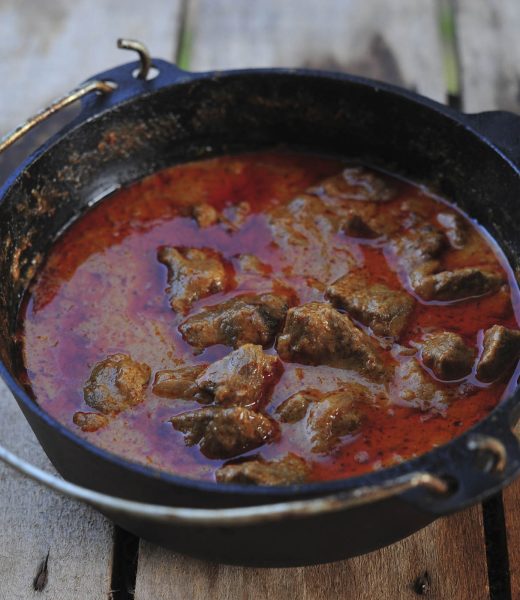
A recent development in Tasmania could see wild-harvested venison move from paddocks to plates, with the potential to reshape both deer management and food supply in the state.
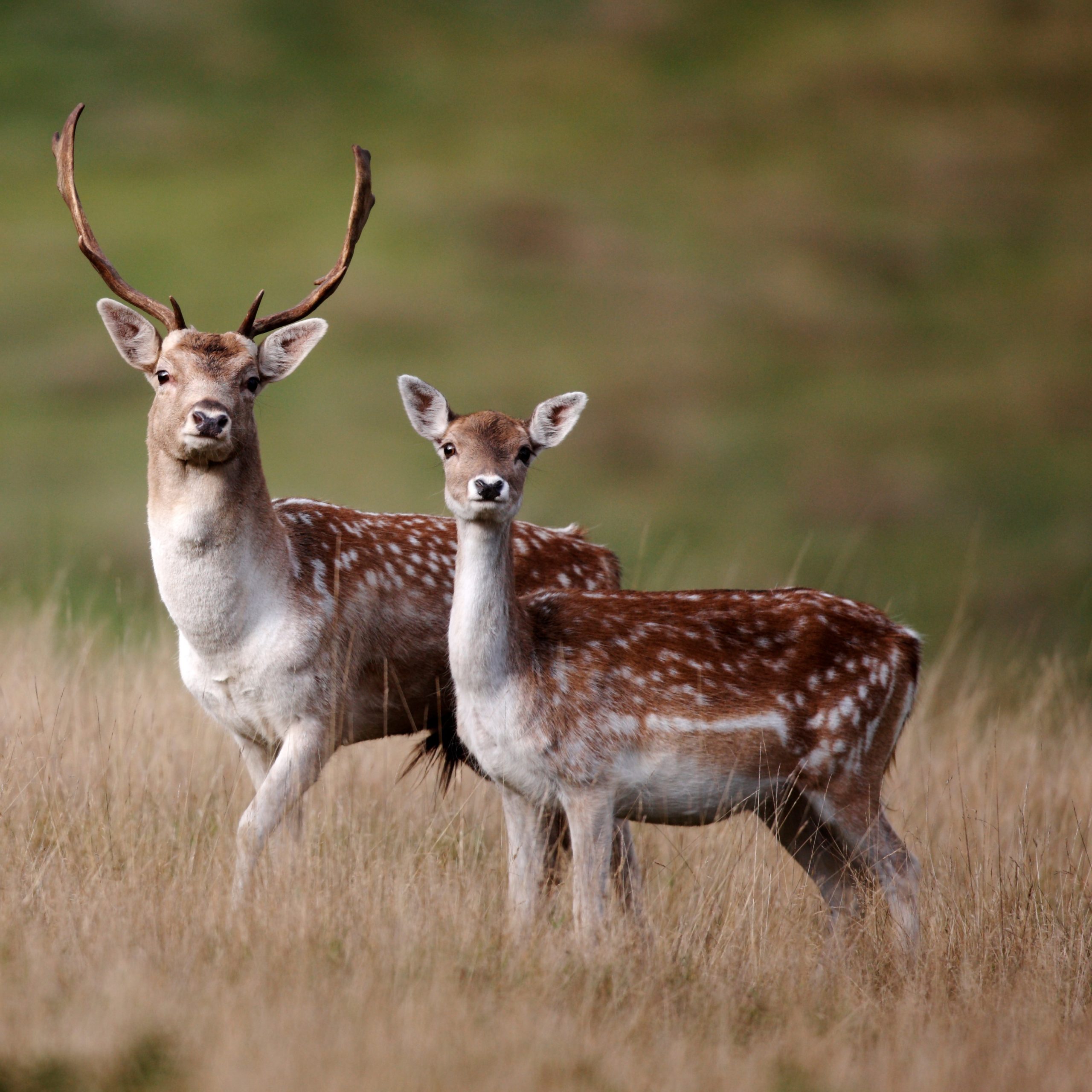
A Tasmanian Government trial has found that meat from wild-shot fallow deer can meet Australian food safety standards when properly handled, paving the way for potential commercial sale through butchers and supermarkets.
The findings are important which give another possible tool to manage deer in Tasmania. Wild fallow deer populations have expanded over recent decades, creating increased impacts for farmers through crop damage, grazing competition, and broader environmental pressures. Allowing harvested animals to enter the food chain could turn what is seen as current costly problem into a usable resource.
According to the trial outcomes, a commercial wild venison sector could deliver multiple benefits. These include improving utilisation of harvested animals, supporting landholders dealing with deer impacts, generating regional economic activity, and creating employment opportunities across harvesting and processing supply chains.
There is also growing political and community interest in the concept. Advocates argue that high-quality protein is currently being wasted and could instead contribute to food security, including potential supply to food charities.
However, the pathway forward is not without challenges. The trial identified concerns around the potential impact on Tasmania’s farmed deer industry, regulatory complexity, and broader community views about commercialising wild-harvested animals. These issues will need to be addressed before any full-scale rollout.
Public consultation is now underway, with stakeholders including landholders, hunters, processors, and the wider community invited to provide feedback on how (and if) a commercial model should proceed.
Overall, the trial marks a clear shift in thinking. What has long been treated solely as a management issue may soon become part of a broader, more sustainable system. A system that links population management with food production and regional economic benefit.