
Be ready and responsive in bush emergencies with this first aid advice from Dick Eussen
I did my original first aid course back in the mid-1960s when I worked for Mount Isa Mines, with regular courses since to keep up with the knowhow and new treatments. In the 1980s I was on the Ranger Mine emergency services team in Jabiru for occupational first aid. Luckily, I’ve had few accidents to deal with, apart from helping traffic victims, fishhook removal, burns and cuts in the bush.
People have died from accidental self-inflicted gunshot wounds in the bush, like a case in the Gulf Country with a .303. There was nothing anyone could do for him. There was also a case on the Gregory River in 1969 when a young man, who was hunting pigs with a .22 rimfire, shot himself in the shoulder. He survived, thanks to the Flying Doctor.
I carry a well-stocked first-aid kit in my Toyota HiLux. It is updated every 12 months, with out-of-date materials and band-aids, which perish in the tropical heat, replaced. Included in the first-aid box are a snakebite and trauma kit, the latter often raises an eyebrow but as shooters and hunters we are at risk of mishaps on the road, at the shooting range and in the bush.
Recently a young man suffered severe injuries when he was ripped by an angry Cape York boar. He survived, the boar did not, but his lesson was not to rely on dogs and a knife when boar hunting.
Life threatening emergencies are facts of life in the bush. I was part of group who lit up a remote Cape York airstrip one night with our vehicle’s lights for the Flying Doctor to land and pick up a young ringer who had been staked in the leg while mustering cattle on a quad bike. Stations and small gouger miners have Flying Doctor first-aid kits (and radio) and this was put to good use by someone who knew what they were doing. It saved the young man’s life.
We are all exposed to daily accidents on TV and the media when lives are saved by first responders or just ordinary people like you and me, who in many cases, have basic first aid knowledge and the courage and mental strength to help.
Stop the bleeding
It’s the people who arrive first on the scene and are not afraid to help who save lives, especially if the victim is bleeding badly and may die from the loss of blood within minutes. First responders are in the best place to save a person’s life, providing that the rescuer is not placed at risk, as can happen in fires etc, because if the responder dies, so does the victim.
Yearly, well over a million people worldwide die from haemorrhaging, the uncontrollable loss of blood. Many could have been saved if someone with first aid experience had been on-hand, as even severe trauma victims can be saved.
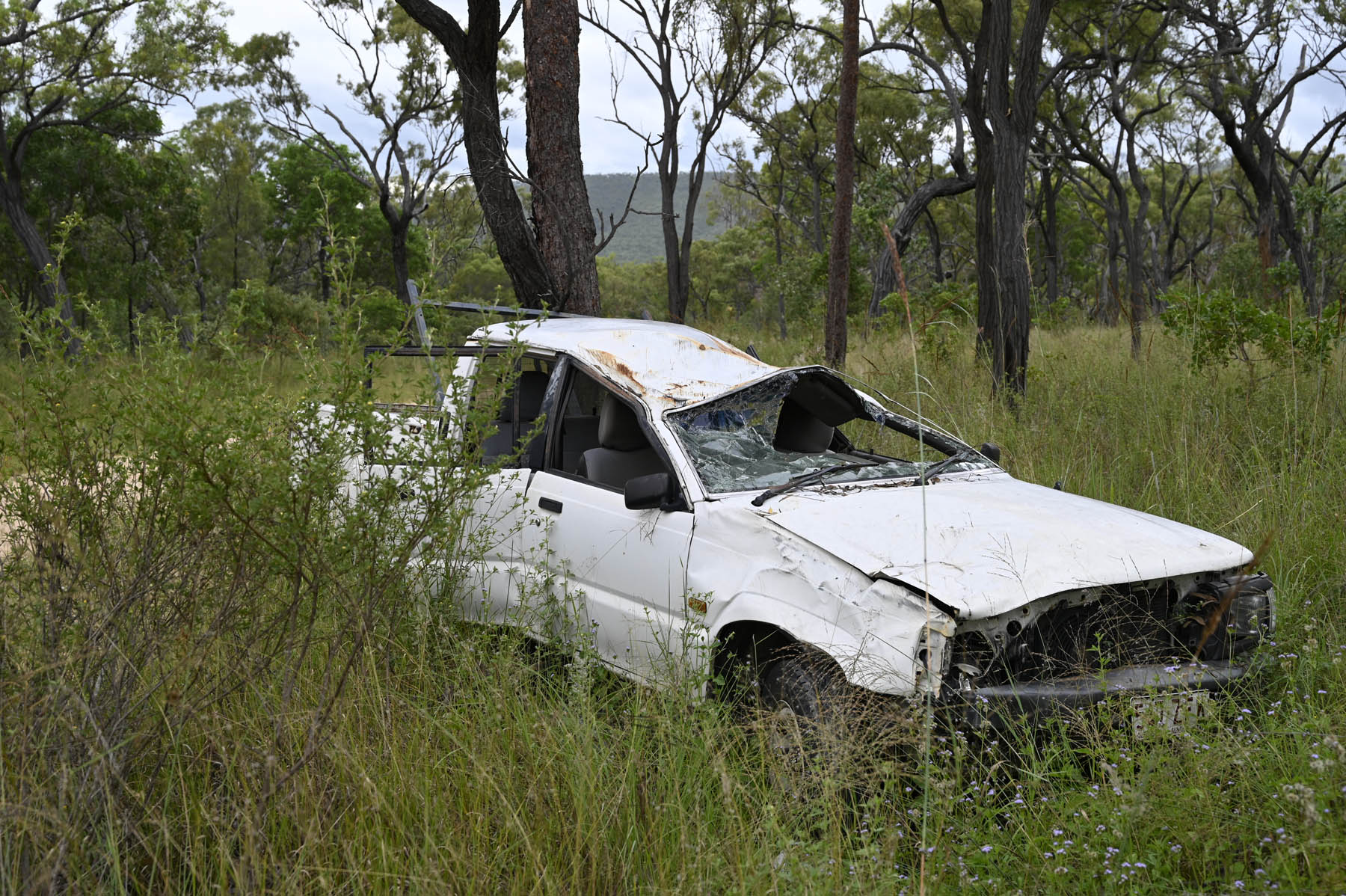
Hunters have been accidently shot, suffered severe injuries from falls, near drownings, burns, vehicle accidents and animal attacks, including snake, dog and crocodile bites. Others have suffered minor injuries ranging from knife cuts, insect bites, dislocated limbs, slips and more, while heat exhaustion and heatstroke, even a heart attack, can happen to anyone when hunting.
Everyone, especially hunters, should do a basic St John’s first aid course, carry a good first-aid kit and have some knowledge on how to use it. While you can buy basic first-aid kits from your local supermarket or Chemist Warehouse, you should add both trauma and snake-bite kits to it.
We are talking about accidents and lifesaving incidents that require more than a band-aid. A trauma kit should be part of every hunter’s outfit because if someone has a severe bleeding injury, the basic kit is lacking. Traumatic injuries such as uncontrollable bleeding, or haemorrhaging, ‘sucking’ chest wound, collapsed airway, snakebite, fishhooks, gill raker fish cuts, burns, and dog, pig and crocodile bites are challenging.
The right kit
First aid suppliers stock top bush-ready first-aid kits. Many have first aid training facilities where you can do a course or follow-up one. Basic first-aid kits don’t have trauma bandages, large bandages, snake or burn treatment kits. Buy one that has, considering the nature of traffic accidents and other bush mishaps, like with campfire mishaps.
You will also need proper medicated nitrile or latex gloves to protect you and your patient against infections that can range from simple germs to serious diseases.
With blood loss from accidents, it’s important that you have the means to treat it to prevent a serious outcome, even if nothing but a pressure pad, secured by a wide bandage, is applied to a wound. A trouser belt or rifle sling may be used as a tourniquet to stop severe and uncontrolled bleeding, and don’t forget that many older people are on blood thinning medication, which makes rapid treatment even more urgent.
A tourniquet uses pressure to stop uncontrolled bleeding when applied on arms and legs. It’s placed above the wound, on the joint, and twisted into a knot that rapidly tightens around the limb to prevent blood from flowing out of it. A wide strip roll bandage can be used as one, but the best is a proper haemorrhage control bandage, also called an Israeli bandage. Bandages fitted with a ‘windlass’ are preferable so the bandage can be tightly wrapped around the limb until the blood stops flowing from the wound. A note pad and pencil in your kit allows you to record the time of the accident, and importantly, the time you applied the tourniquet. It’s recommended that the bandage pressure is released every 20 minutes or so. Don’t reapply it if the wound has stopped bleeding.
Okay, but what if the victim has a body, neck or head wound? For a start there are medications that help stop bleeding, but they are expensive and have a use-by date. Instead, you can have large-gauge wound dressing pads in your kit that can be applied to a wound and kept in place by a wide bandage. In an emergency, a menstrual pad is better than nothing. Unlike a tourniquet, the pressure is applied directly onto the wound and the pad kept in place either by hand, adhesive plaster, roll bandage or duct tape.
Chest wounds require a different step, and you should have a chest seal in the kit for open ‘sucking’ chest wounds. They are either vented or non-vented and applied directly onto the wound and kept in place by a wide or adhesive plaster bandage.
Snakebites
The best avoidance of suffering from a snakebite are a pair of sturdy boots and gaiters, as most bites are on the ankle region. Years back it was the norm to place a tourniquet above the bite, but it’s no longer deemed to be safe and instead a broad pressure immobilisation elastic roller bandage is applied over the bite site. Another bandage is started above the fingers (or toes) and rolled up the limb all the way to the shoulder, or groin, to immobilise it. Thus, a snakebite kit is best served by two 10cm x 2.3m heavy cotton crepe bandages.
Salty fix and makeshift stitches
Small wounds and cuts can be helped by rubbing table salt into them, they will quickly dry, helping the healing process. Bathing and soaking cuts and limbs in warm salt water prevents infections and soothes open wounds. Dettol, mixed in warm water, will also prevent infections and help in healing. Vaseline is particularly useful in infection prevention by filling open wounds or deep cuts with it.
Carry Steri-Strips in your kit. They are adhesive strips that hold small cuts together until they are stitched by a professional. Butterly bandages are similar, though both are best on small superficial cuts. Medical grade adhesive glues, such as cyanoacrylate-based glues, may also be used to bond wound edges together. You can also use standard superglue, but there is a risk of infection. Tape may also be used as a temporary fix, including duct tape, but you run a higher risk of infection by using non-medical materials.
Be fully prepared
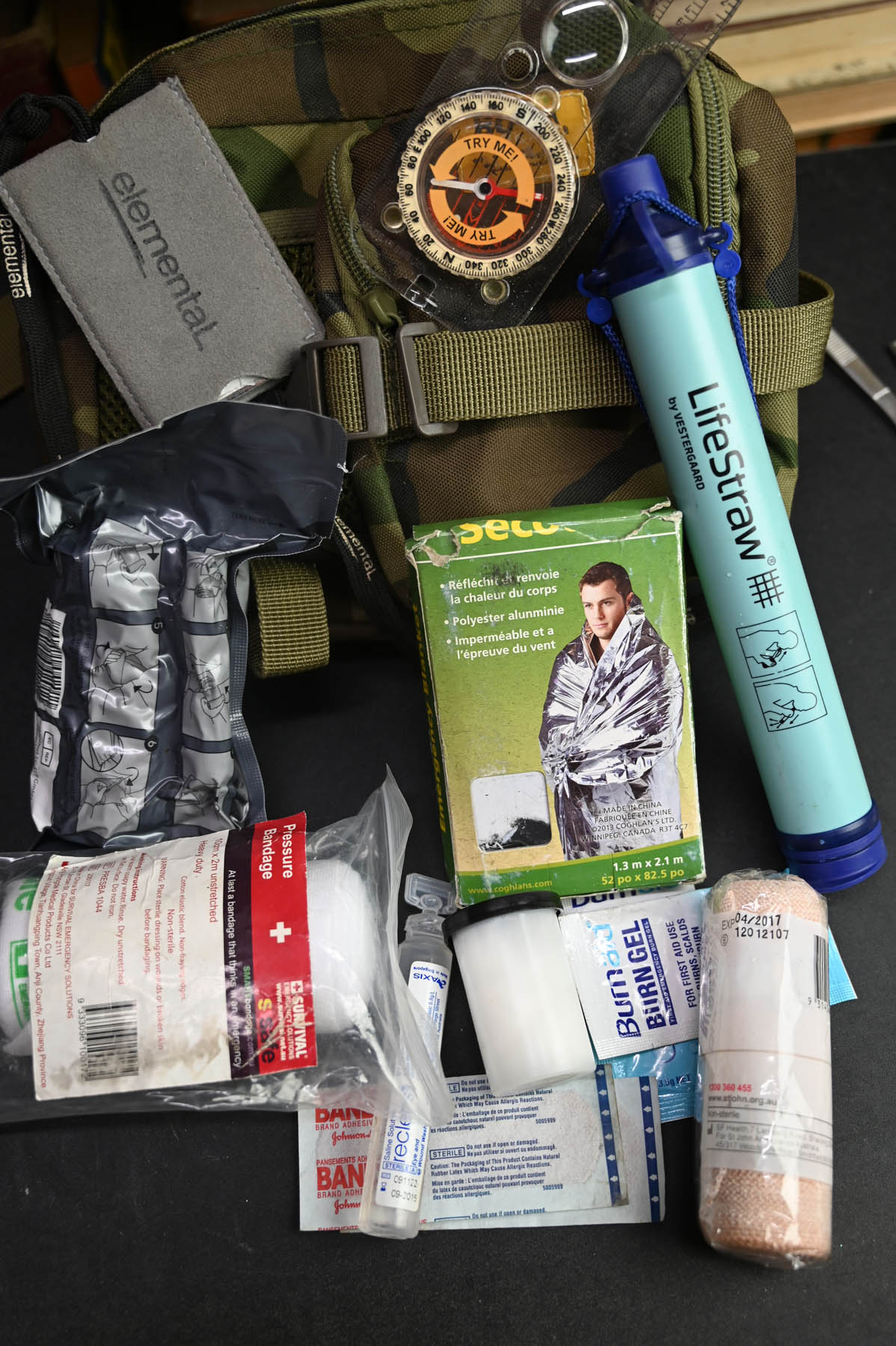
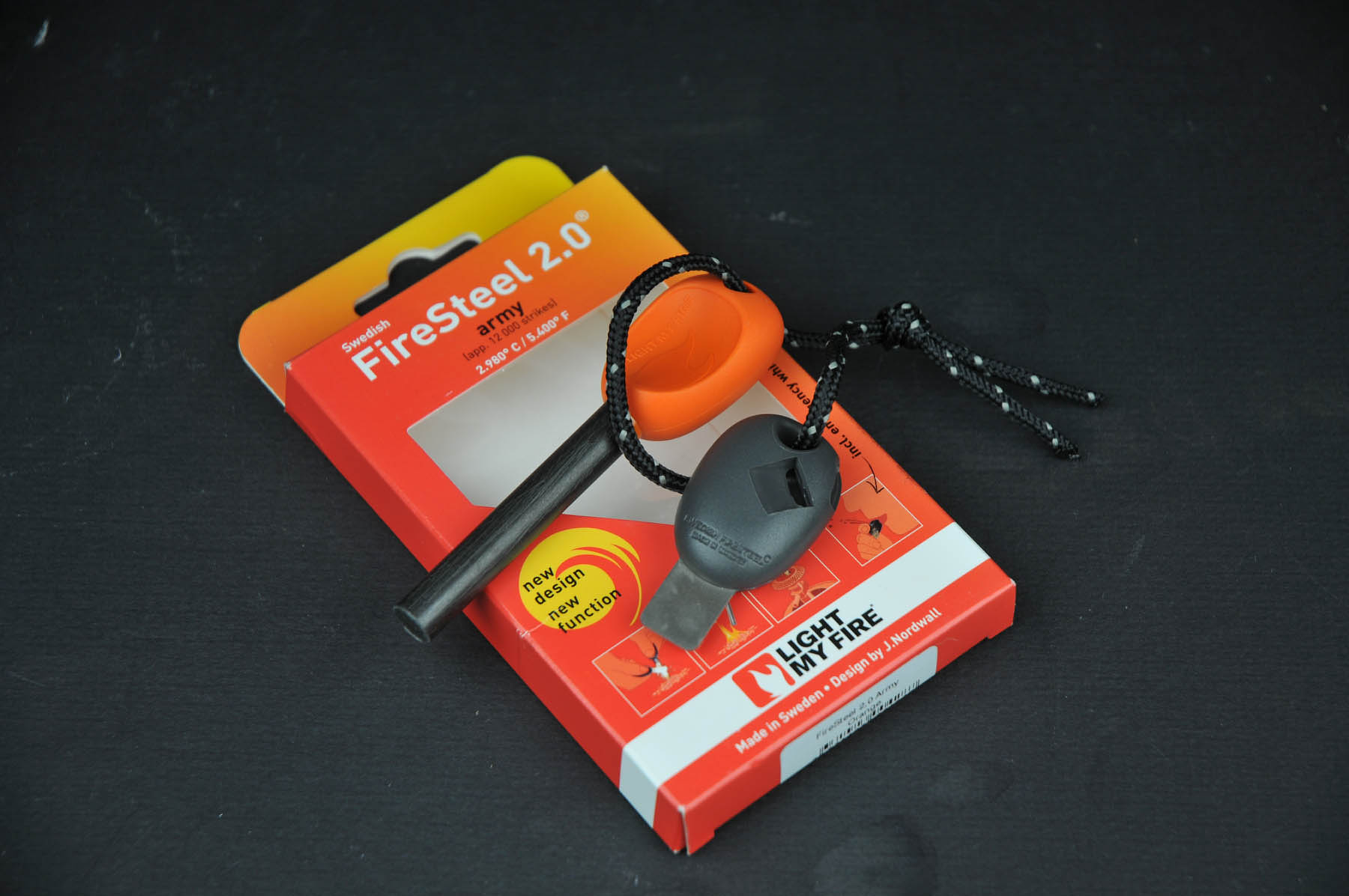
Encompassing everything mentioned, and to be prepared for anything, your kit should include a St John Ambulance First Aid Quick Reference booklet, scissors, shears, tweezers, needle, bandage snaps, gloves, adhesive bandages, band-aids, sharp knife or special tool for removing clothing, Gastro-Stop and Aspro medication, wound and insect bite ointment, emergency rescue blanket, Bion Tears and eyewash, LifeStraw, signal mirror, compass, emergency blanket, burn gel, soaked Vaseline cotton balls and fire starter.
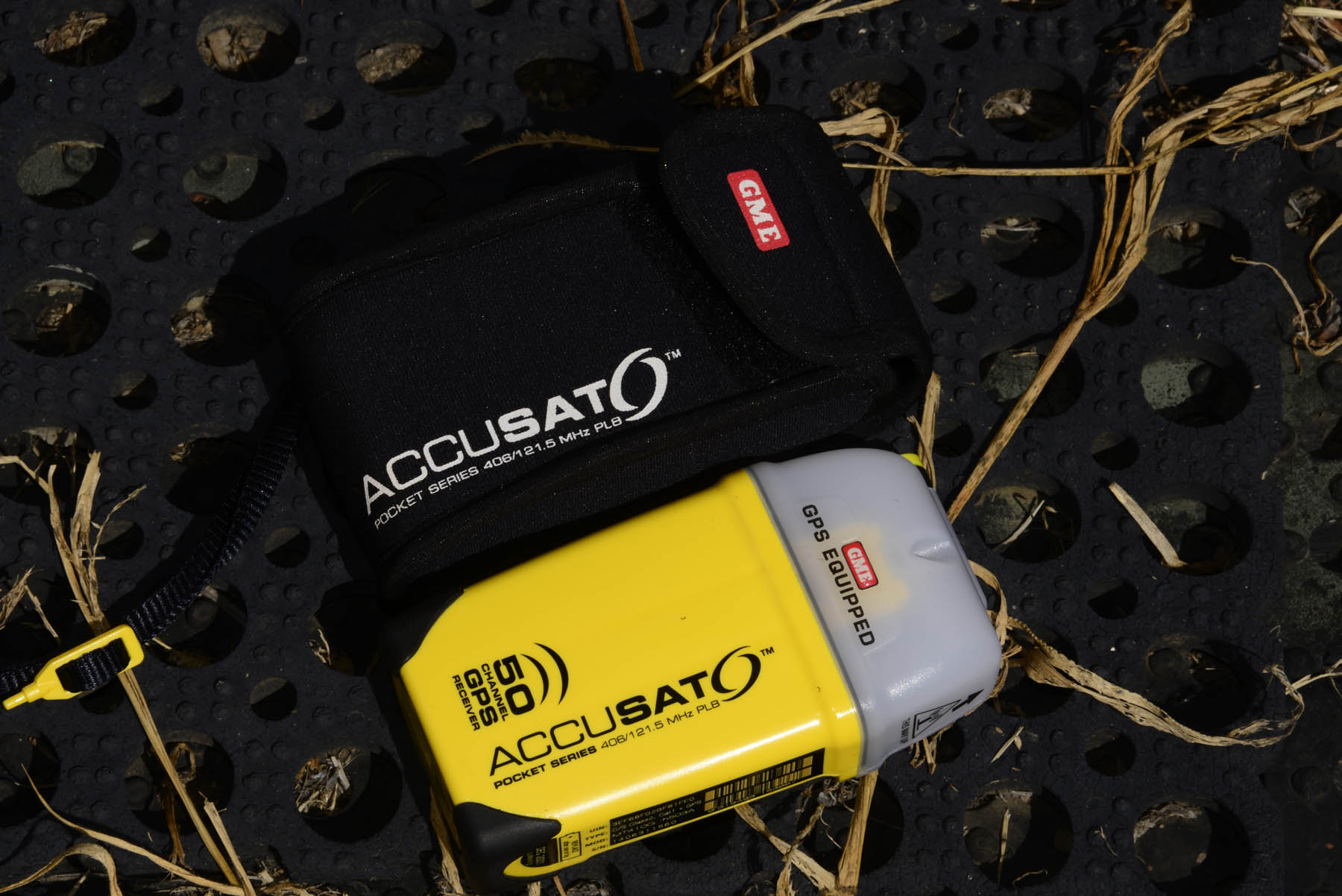
And of course, when in the bush you are isolated, without any backup from emergency services, even the Flying Doctor, unless you have a satellite phone, UHF radio, or access to one from a station homestead or mining camp. And yes, a personal location beacon (PLB) can be a lifesaver if you don’t have a sat-phone.
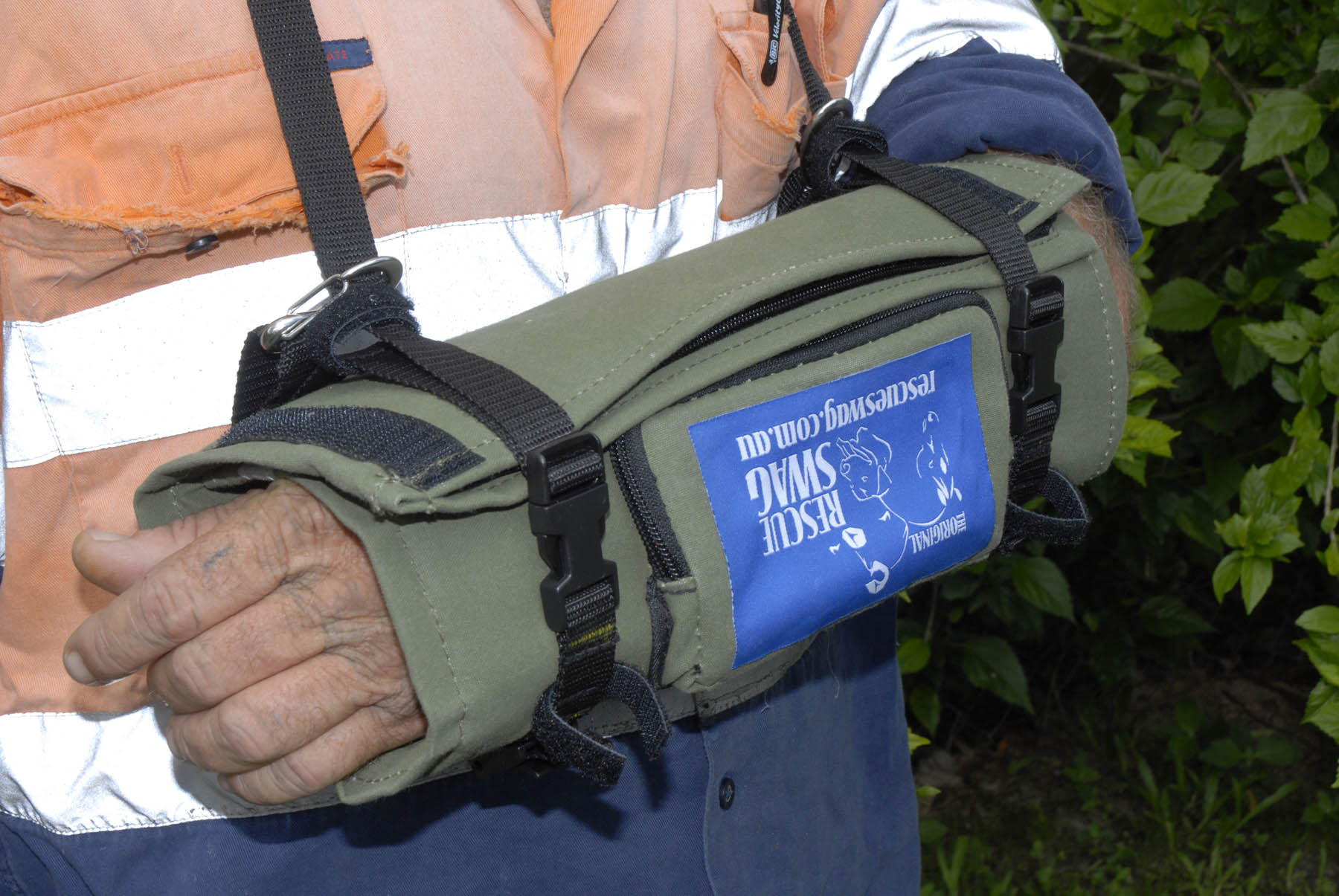
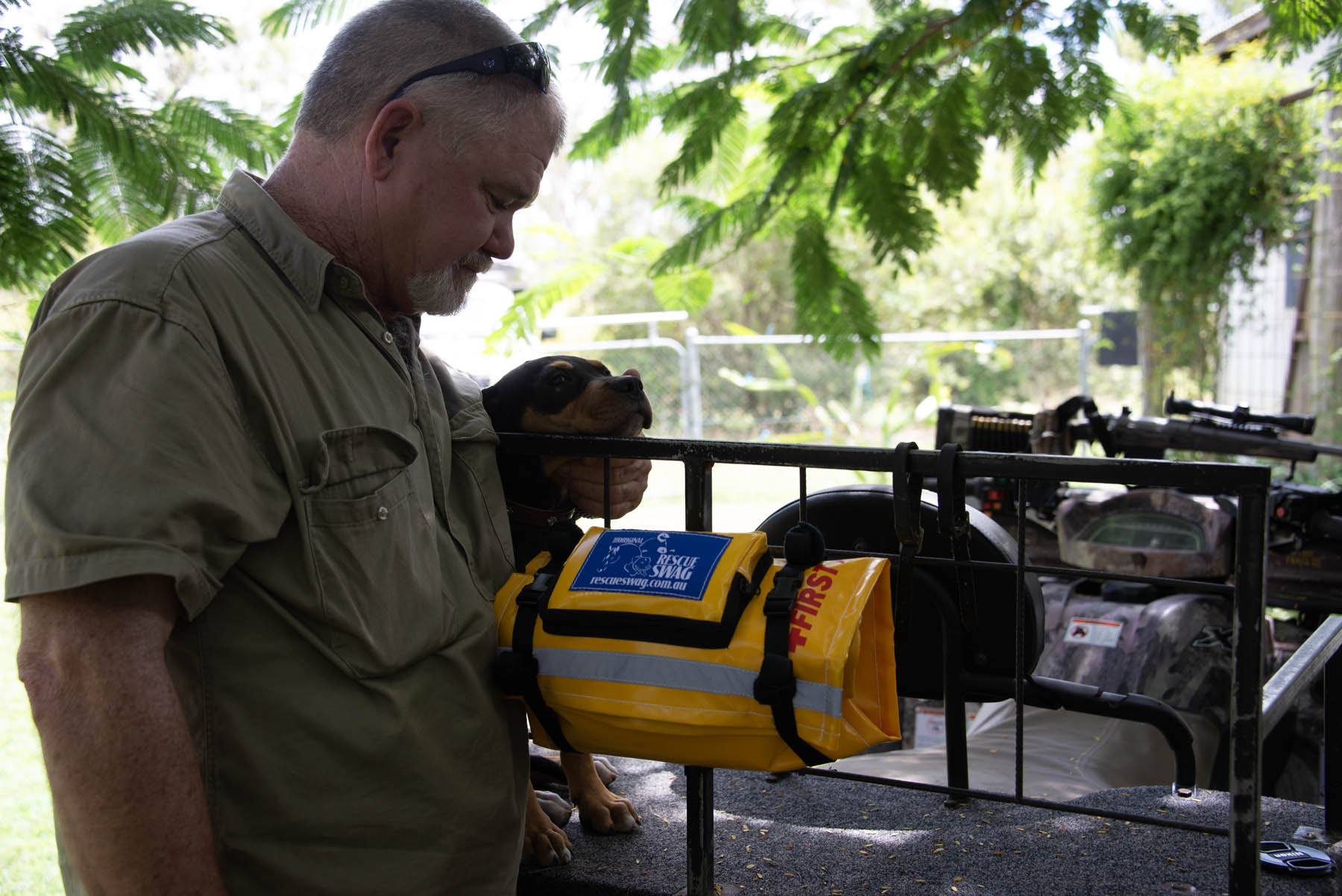
First aid suppliers carry kits that include trauma and snakebite treatment. Google: Survival First Aid, First Aid Kits Australia and Rescue Swag for extensive kits that include items for first ‘bush’ responders.