


Culling. For some it’s a dirty word – for others it’s a necessity, explains Scott Heiman
Photos: Heiman Habitat and Snowy Brumby Photography Adventures
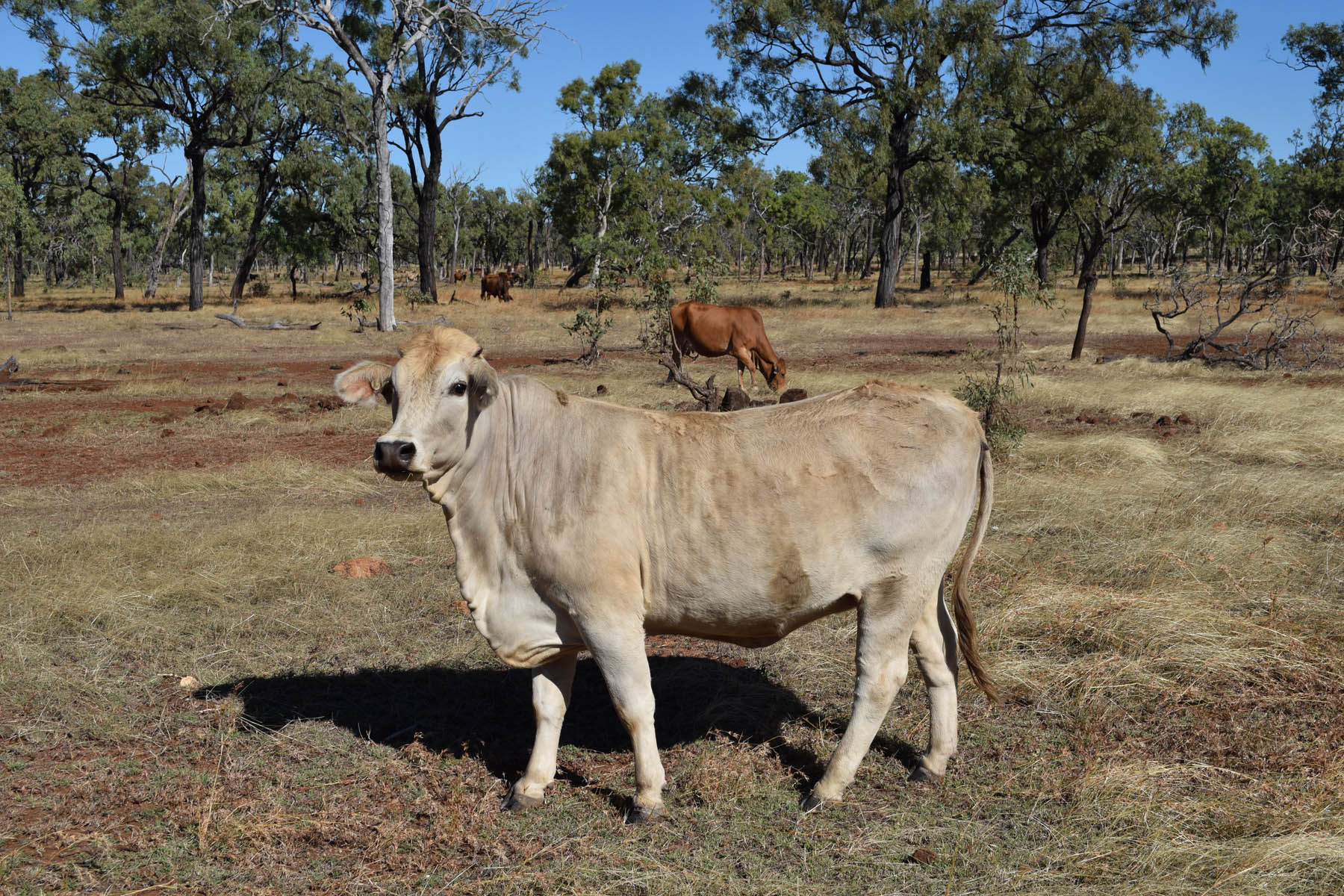
You rarely hear about the culls that happen routinely on farms to strengthen the herd by reducing numbers of non-breeders, or animals with undesired traits. Culling practices in these contexts increase the productivity of the farm, which helps put food on our tables.
More likely, you’ll have seen reports of livestock culling following natural disasters, when entire herds may need to be euthanized because it’s a more humane response than letting stock starve to death due to lack of feed or injury. As devastating as these practices are, they are a necessity.
You may also have heard about livestock culling conducted for biosecurity reasons following disease outbreaks. These take place most commonly in response to the introduction into Australia of foreign pathogens from other countries, or even from state to state. And we can all play our part in preventing the need for such measures by complying with quarantine requirements when we return home from overseas, holidayed on a regional farm stay or vineyard, or when we’ve been out hunting, fishing or camping.
More ‘controversial’ are the culls that are periodically conducted of wild species within Australia, whether of native animals or introduced species.
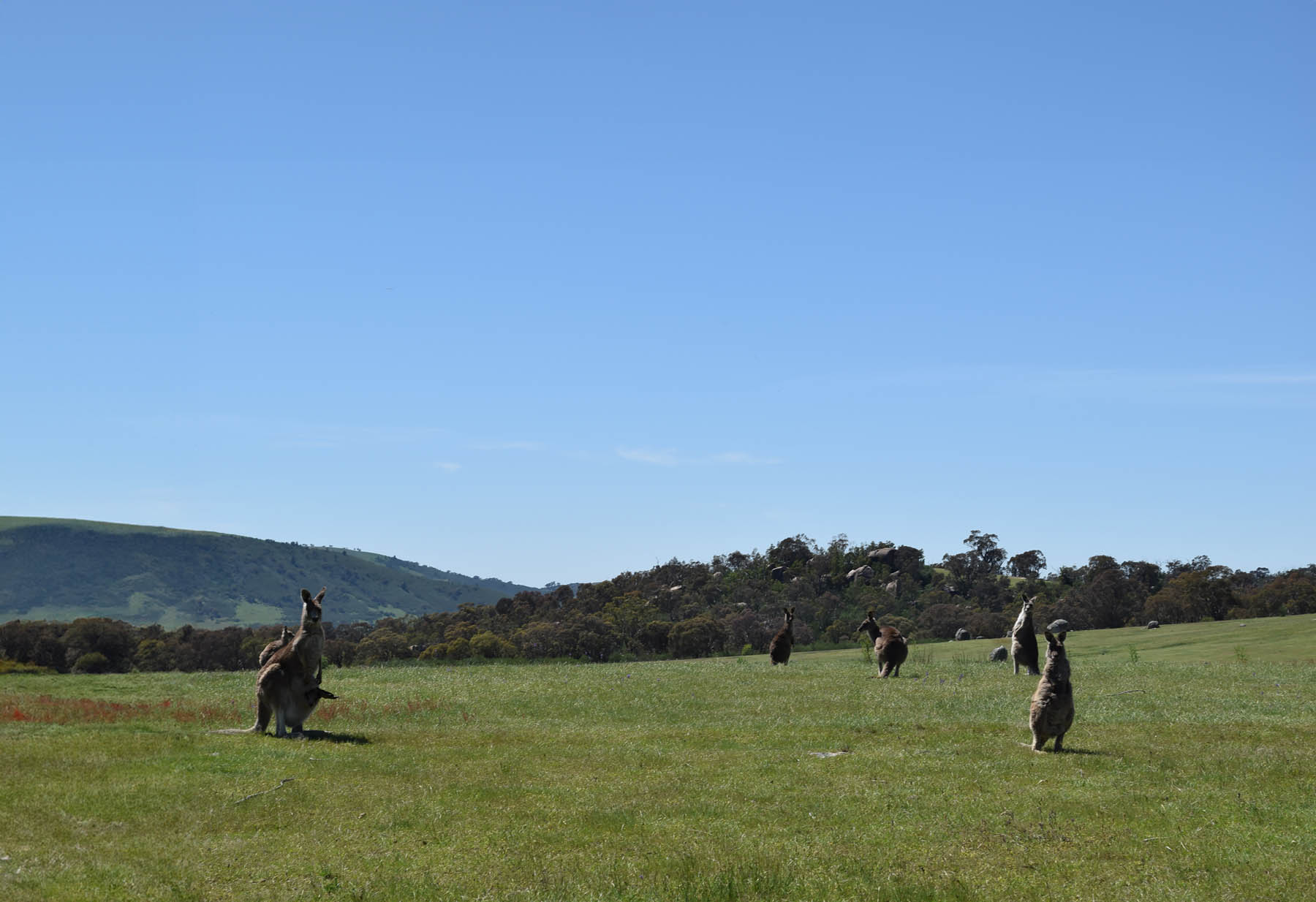
Kangaroos
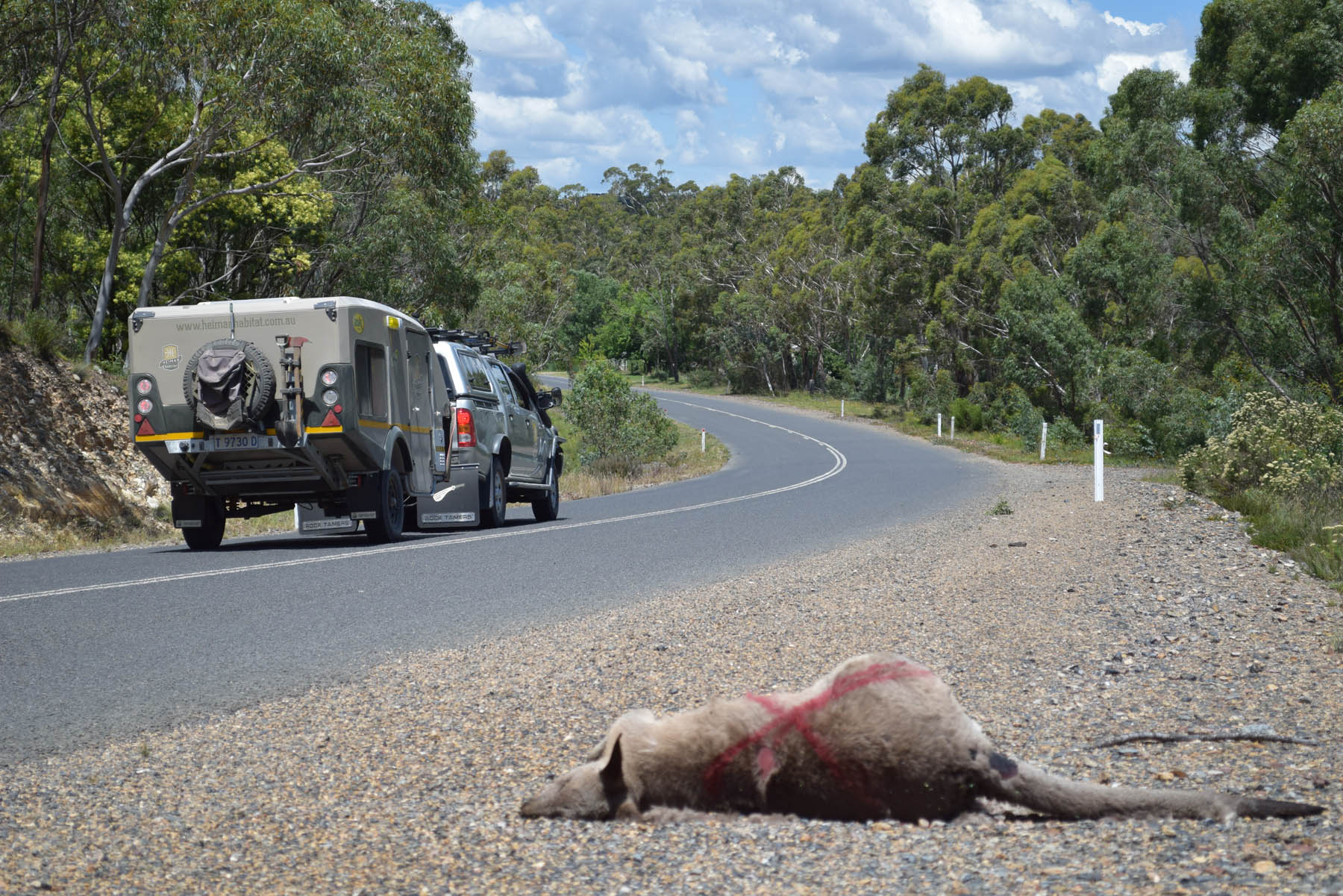
Usually overseen by state and territory governments, annual kangaroo culls are conducted in many parts of Australia to reduce over-population, particularly in critical conservation areas. High kangaroo population densities are generally attributed to human intervention including increases in land clearing for agricultural purposes, the suppression of dingo species and the reduction in Aboriginal hunting practices since colonisation.
In Canberra, the ‘Bush Capital’, over grazing by kangaroos can threaten the survival of local native grassland sites and endangered plant species. The ACT annual cull targets 1500-1900 kangaroos to maintain a sustainable population density of about one animal per hectare on grassland, and less in wooded areas.
It’s difficult to give an accurate estimate of how many kangaroos there are in Australia, but it’s likely that the total Australian kangaroo population is about 50 million. Roughly 16 million of these are the eastern greys that live in the eastern third of the country. Some studies assert that their population numbers are 2.5 times higher than when Captain Cook sailed along.
Tellingly, the expansion in kangaroo numbers is directly proportional to the amount of deforestation to support agricultural expansion for pastures and fields for crops. More grass = more kangaroos.
Camels
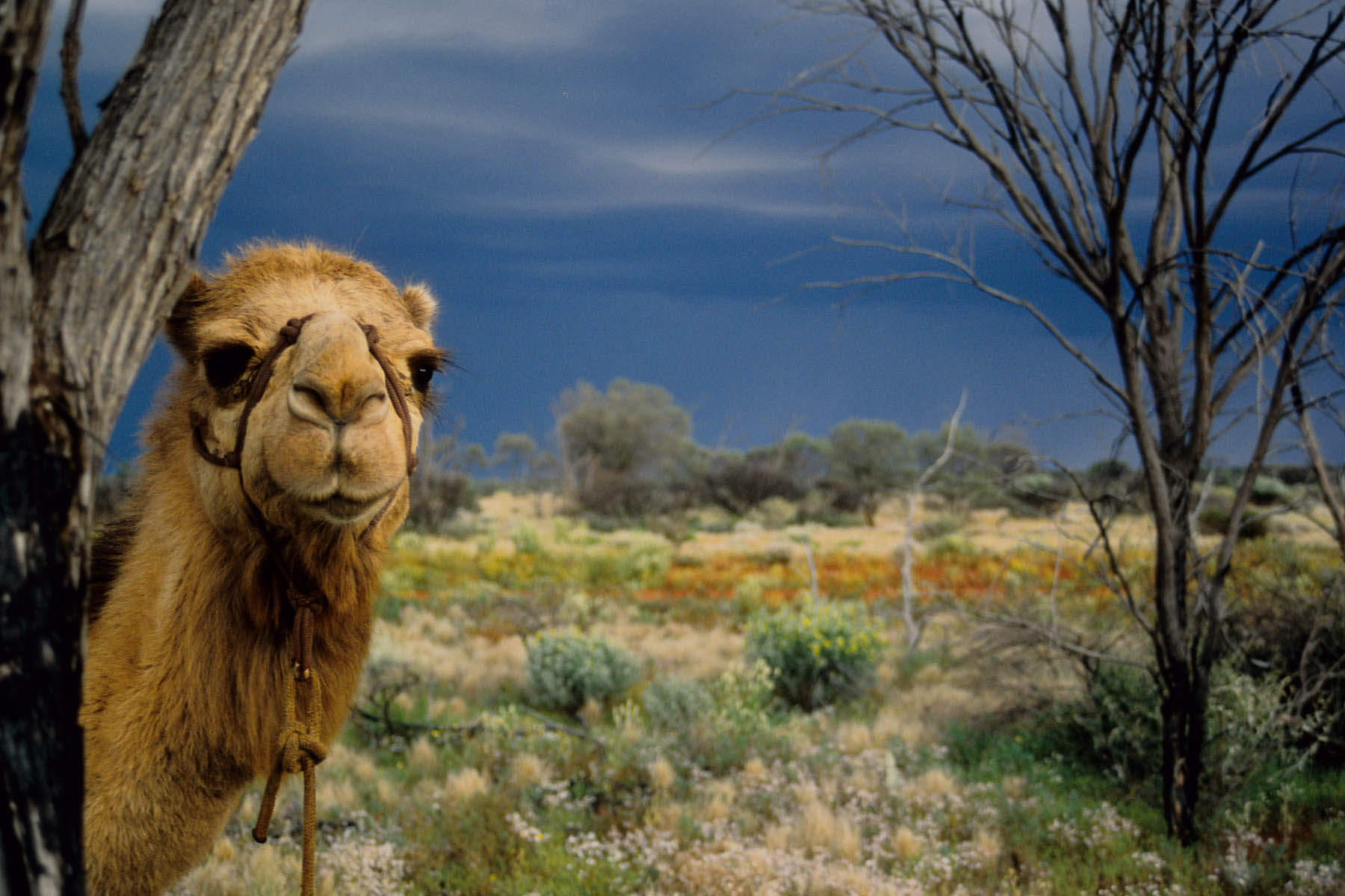
In 2007, it was calculated that Australia had the largest feral camel population in the world, with two million of them roaming the ‘Red Centre’. Since then, state and federally funded culls have been initiated, in parallel with control measures implemented by graziers, and the activities of hunters.
While camel numbers are now lower than they once were (particularly in Central Australia), there remains over one million feral camels in Australia’s rangeland ecosystems. So, Australia still has the world’s largest wild/feral camel population. Further, recent droughts have driven the camels out of the desert and onto farms in Western Australia, South Australia, Queensland and the Northern Territory where they compete with cattle for precious water and feed.
Camels were originally brought to Australia for explorers like Burke and Wills and they played a significant role in the development of the Outback through the efforts of the Afghan cameleers. However, as transportation evolved to trucks and trains at the start of the 20th century, camels were no longer needed with many simply released into the wild.
Numbers can double every 8-10 years, and the population increases at an exponential and uncontrolled rate mainly due to their isolation.
Brumbies
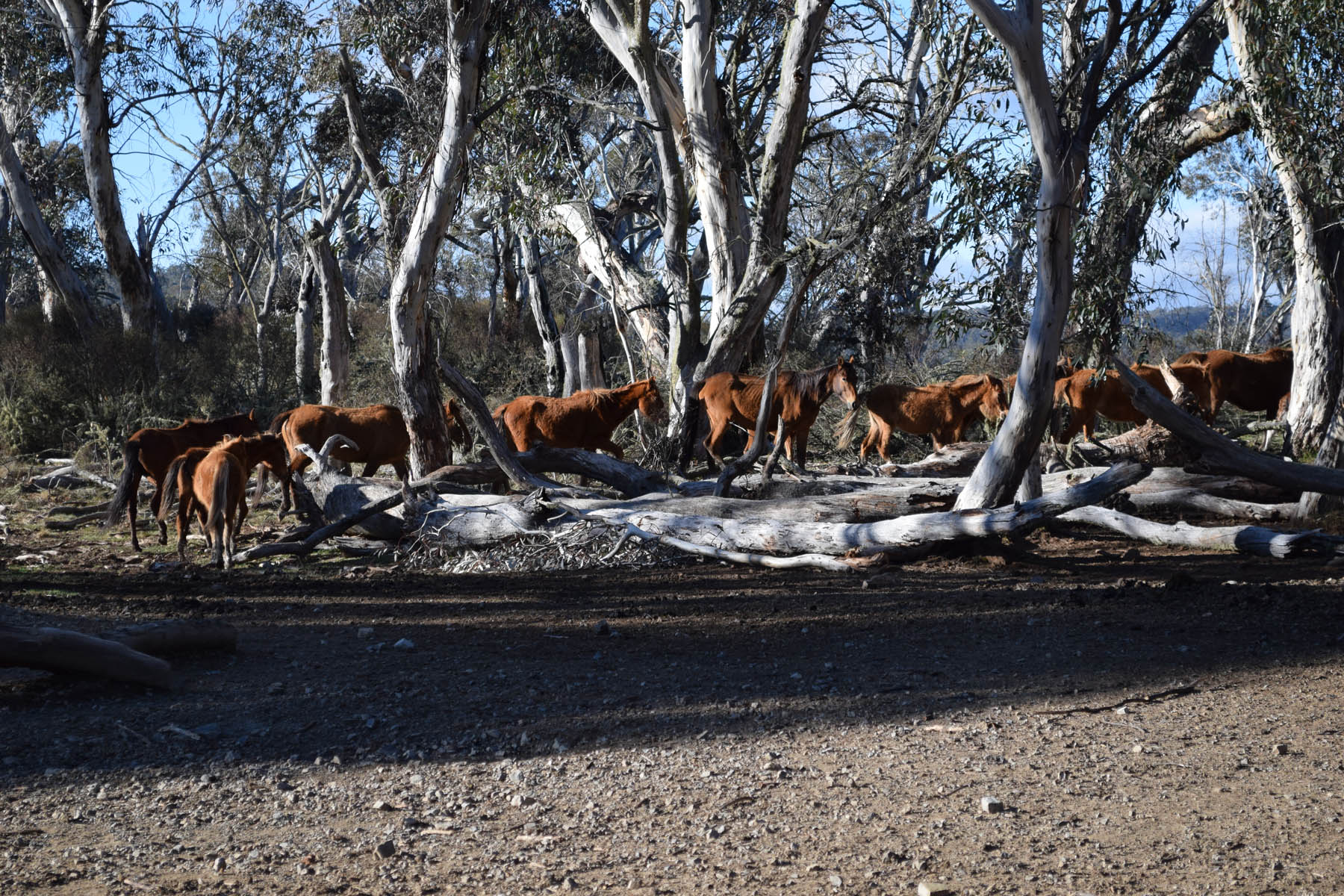
Back in 2018, many were left aghast when the NSW Government decided to ignore scientific evidence and years of public consultation that substantiated the destructive effect of feral horses on native ecosystems. Bowing to romantic ideals centred around a bygone era and the lifestyle of early colonists, along with a Banjo Paterson poem, horses became protected in Kosciuszko National Park under a ‘Brumbies Bill’ because of their so-called ‘heritage’ value.
According to a survey conducted in November 2022, the estimated population of wild horses in Kosciuszko National Park was 18,814. This was a 24 per cent increase from the previous estimate of 14,380 in spring 2020 after the Black Summer bushfires.
The population is expected to grow yearly by 18 per cent, which is far too many heavy hooves for the sensitive alpine ecosystem. Notably, not only do feral horses damage the park’s fragile alpine and sub-alpine environment, with climate change they are slowly ranging higher within the mountain range.
The brumbies’ destruction of sensitive soils and aquatic systems threatens rare species including the northern corroboree frog, stocky galaxias fish, and alpine she-oak skink. They also damage the Snowy River catchment itself.
So, it’s little wonder that many observers breathed a collective sigh of relief when the NSW Government announced the Kosciuszko National Park Wild Horse Heritage Management Plan, proposing to remove or cull about 9000 wild horses over six years.
Outcry
While the scientific basis for conducting culls of both native and introduced species may be clear, the practice nevertheless routinely attracts heightened sensitivity among many sectors of the Australian population. In this regard, the catalyst for public outcry will often be images of dead animals left to rot where they have been despatched.
For example, in early 2020 the ABC reported that a Prenti Downs farmer shot 435 camels in just one day. More recently, the same property is now processing 800 camels each year for pet food.
More broadly, in the 1 million km2 epicentre of camel population, where WA, NT and SA borders meet, thousands of camels are left lying in paddocks where they are shot. Due to the remoteness of the country, the costs of harvesting and/or transporting the carcasses are deemed too high. The result is wasted meat, wasted leather and a lost opportunity for farmers or local governments to generate any income from the culls. Further, it makes for confronting images in mainstream and social media.
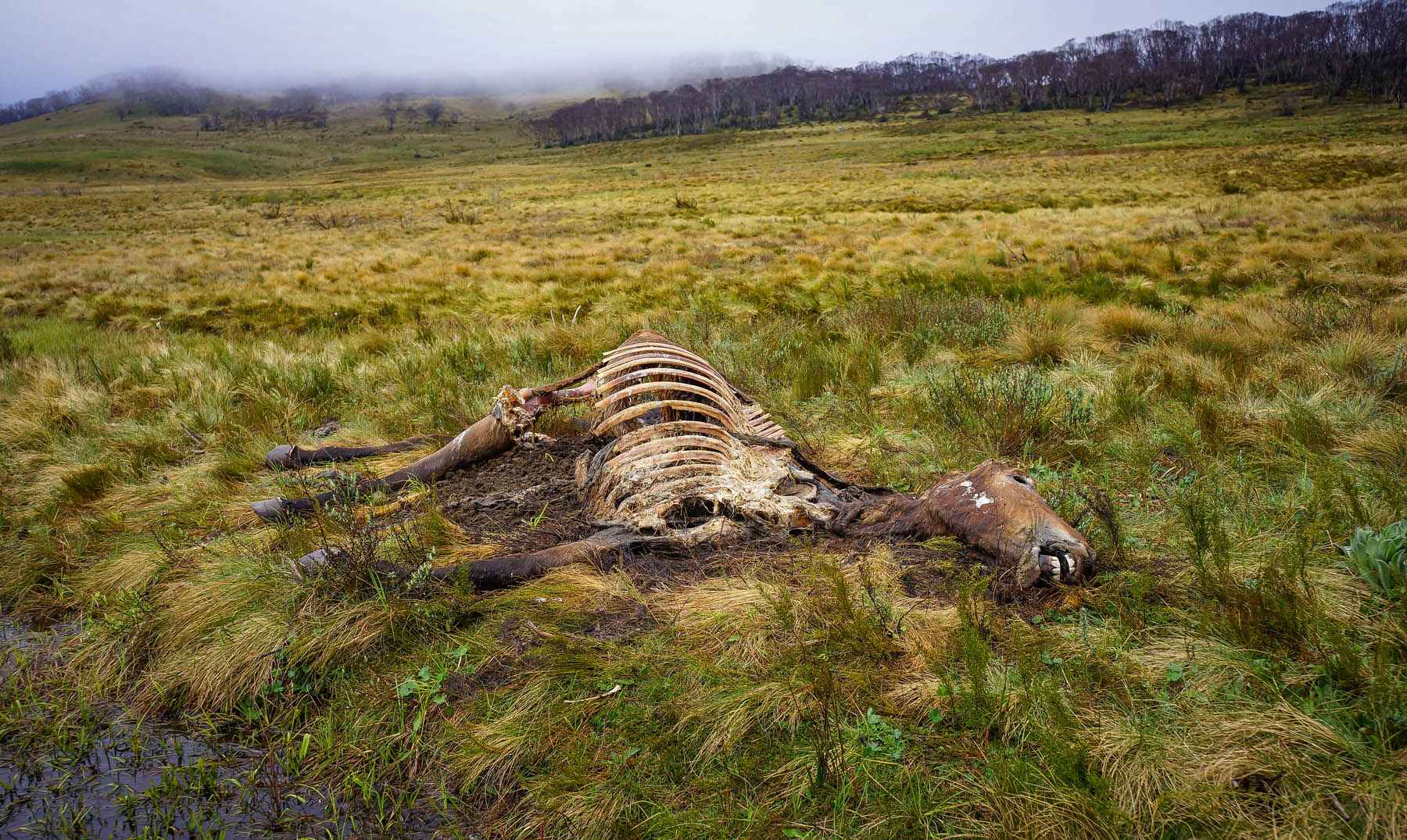
Public opposition to brumby culls has been even more vocal, fuelled by the public’s sentimental attachment to horses and boosted by the sight of dead animals in Kosciuszko National Park. When culling of feral horses restarted in mid-2023, it made news for all the wrong reasons. Carcasses from this cull were left where they fell and subsequently found by members of the public near vehicles and bushwalking tracks. Some visitors even reported that they’d felt compelled to leave the park because of the smell of the carcasses.
While it may not be feasible to dispose of horses culled in remote, inaccessible or rugged terrain, the fact that park visitors could smell the carcasses would strongly suggest that they could have been transported elsewhere. Worse still, months later foals were found by members of the public starving to death because their mothers had been culled.
There are far better ways to deal with culled animals than to simply leave them where they lay. In Canberra, for example, the kangaroo carcasses aren’t left out to rot. A few hundred are sent to a wildlife sanctuary to help rear endangered Australian animals, and a proportion are turned into baits to support the ACT Government’s wild dog and fox control programs. Other parts are made available to Indigenous communities for cultural use. The remainder (the bulk) go to landfill which feeds the land – ashes to ashes, dust to dust.
The problem with vertebrate pest management is that it’s rarely supported by sufficient funding to do a ‘right proper job’. A principled and prepared program should be designed around the weather, breeding cycles and multiple control methods such as aerial, night and ground shooting (‘roo’ drives and hunting), baiting, trapping, mustering etc. This would be incorporated around a symbiotic and cyclic pattern, in a multi-layered approach – much like an onion. But such comprehensive approaches can be difficult for authorities to achieve.
Onion
The reality is that effective pest management strategies need to focus on the ‘whole of system’ outcome to be accomplished, not just the killing of pests. There are many examples in which the failure to do so has blinded authorities to where they needed to direct their attention.
Take the situation around malleefowl protection efforts in SA. While extensive fox poisoning was expected to assist in the recovery of malleefowl numbers, one study found that removal of this known predator had little effect on bird numbers. In this instance, the reason that malleefowl numbers did not increase with the removal of the predator species was because the food necessary for chick survival simply wasn’t available within the ecosystem.
Instead of focusing solely on fox eradication, malleefowl population recovery efforts needed to include management strategies dealing with high grazing levels from domestic stock, feral goats and rabbits to help restore the native grasses and their seeds, which were the primary food source for the chicks.
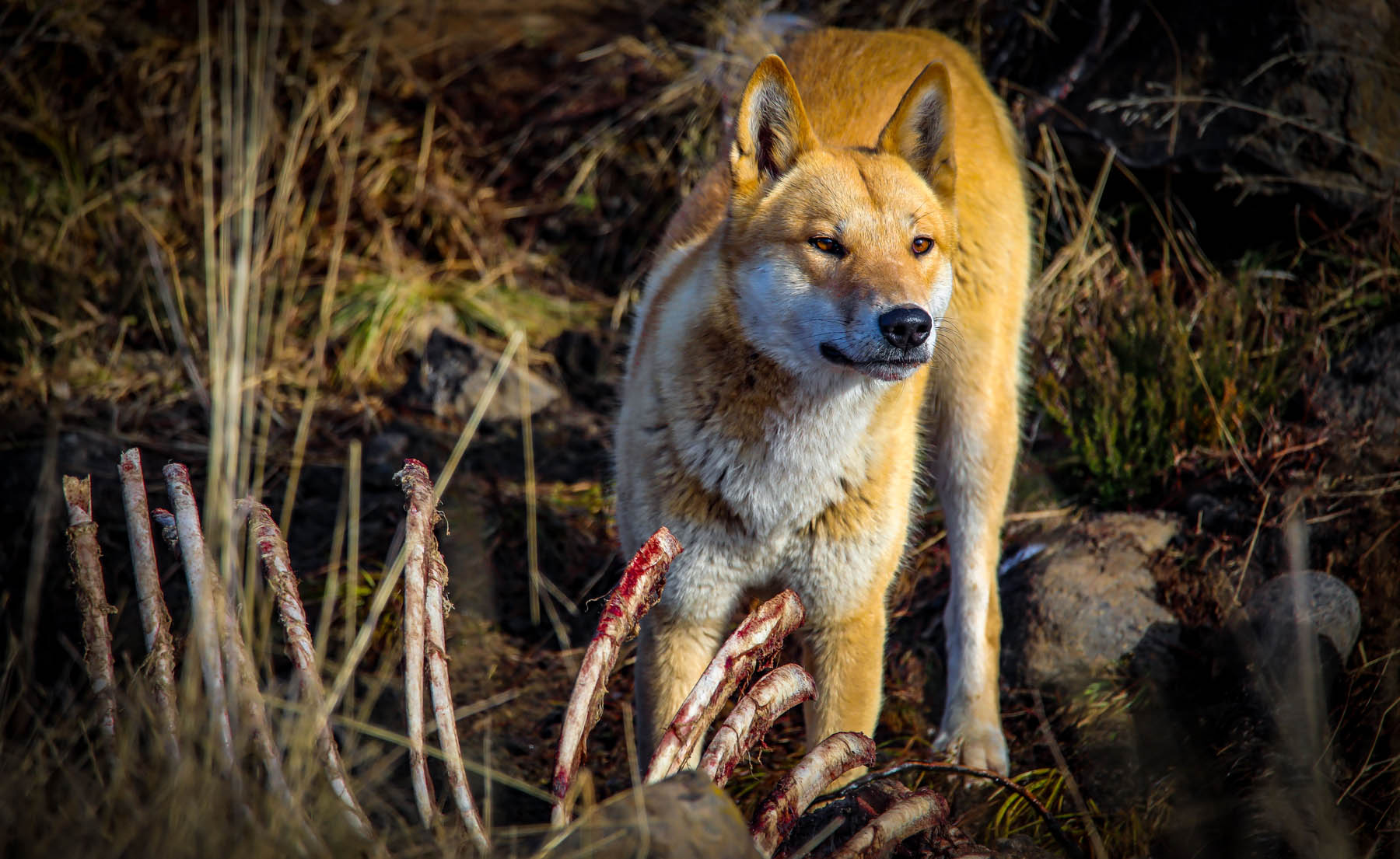
In a similar vein, efforts to manage vertebrate pests such as camels and horses need to look beyond the obvious negative environmental impacts of these pest species. While culling may be justified to help protect native plant and animal species, a ‘whole of system’ perspective is needed to avoid unforeseen – and potentially adverse – consequences. Specifically, if a decision is made to target a macro-herbivore, it is equally important to target the species that preys on them. This means dealing appropriately with the issue of the carcasses because, in environmental circles, the practice of leaving bodies in situ is known as the creation of a ‘predator dam’.
In general terms, a predator dam is a location that centralises and contains a predator species. Landscape features such as dams are well known predator dams because they collect water that prey animals know where to find, and thus the predator will centre their pattern of life around the water source to access both the water itself as well as the prey that gather there. Equally, when carcasses are left out to rot, it creates a temporary predator dam. The smell of blood and flesh in the air will draw in the predators to this new location. In the case of camels and horses, these predators will include carnivores and omnivores such as dingoes and wild dogs, foxes, cats and pigs. Not only will these species now linger around the environment in higher numbers because of the readily accessible food, well fed they procreate at increased rates. This situation generates an unforeseen environmental challenge requiring yet more resources to remediate a rapidly increasing population of new pest species. And while the predator may themselves feed on the carcasses for a while, once the culling is over, they’ll have a disproportionate effect on the environment as they start looking for a new source of food – likely among the native animals that are endemic to the location or the local livestock. So, you’ve reduced the competitor for feed, but increased the predation on that which you want to protect.
Outplay
While culling programs are an important element of many vertebrate pest management strategies, achieving a lasting effect on feral population numbers requires continued vigilance. The initial outcome of culling programs typically involves a large proportional reduction (>50 per cent) in the target species. But such efforts need to be followed-up by effective monitoring and evaluation strategies to avoid the population rapidly returning to pre-culling density.
Hunters and farmers have an important role to play in such strategies. While hunting alone and sporadic targets of opportunity are unlikely to make a significant dent in feral population numbers, they can help maintain the status quo once systematic population reduction measures have been implemented. By targeting nannies, does and sows, for example, feral population numbers can be reduced in the short term while also bringing down the number of feral offspring born in the future. The fact that the hunter simultaneously gets to fill the freezer is an added byproduct. And the hunter who helps the farmer feed his dogs is more likely to be invited back to the property.
Hunters can also be an asset to land managers by acting as reconnaissance and surveillance. Specifically, hunters can help identify characteristics of population growth, patterns of life, natural salt licks, den locations, holes in fences and trackways. Building a picture of the daily movements and behaviours can be invaluable in efforts to maintain tabs on population numbers. This includes decisions concerning where to hunt, trap or bait, and when another cull or mustering might be required.
A hunter can also purposefully create their own predator dams by utilising carcasses that are not required/fit for the fridge or the dogs. If a carcass is dragged along a track behind a vehicle, a scent trail will be left. Placing the carcass at a centralised location opens the opportunity to return at night for spotlighting or to use a thermal scope to target wild dogs, foxes, feral pigs and cats that are attracted to the remains by the network of scent trails leading to it. Consistently reusing the same location on all your hunts will create inspection habits in the carnivores and thus the land manager can return to this location after your hunting party has left to double-down on efforts.
It is by initiating such techniques that the hunter ‘bags’ one for the fridge (or the trophy wall) while making a small but nevertheless worthwhile contribution to the multi-layered land management measures that increase farm productivity, while helping to remove environmental stressors. That’s ‘a win-win’.